Every utility strike gets investigated. Most of those investigations explain what happened, name a cause and close the file. Very few change what happens on site the following week.
An investigation is not there to explain the last damage. It is there to prevent the next one. Every utility strike is an opportunity to prevent the next ten, but only if the investigation finds the real cause and turns it into something the teams do differently.
So here is a challenge. Take your damages for the year and ask them the questions below. Answer honestly, from your own records, not from memory. If you can answer them, your investigations are working. If you cannot, that is worth knowing too.
The first question
Look at your damages for the year. How many utilities had been located and still hit, and how many were not located and then hit?
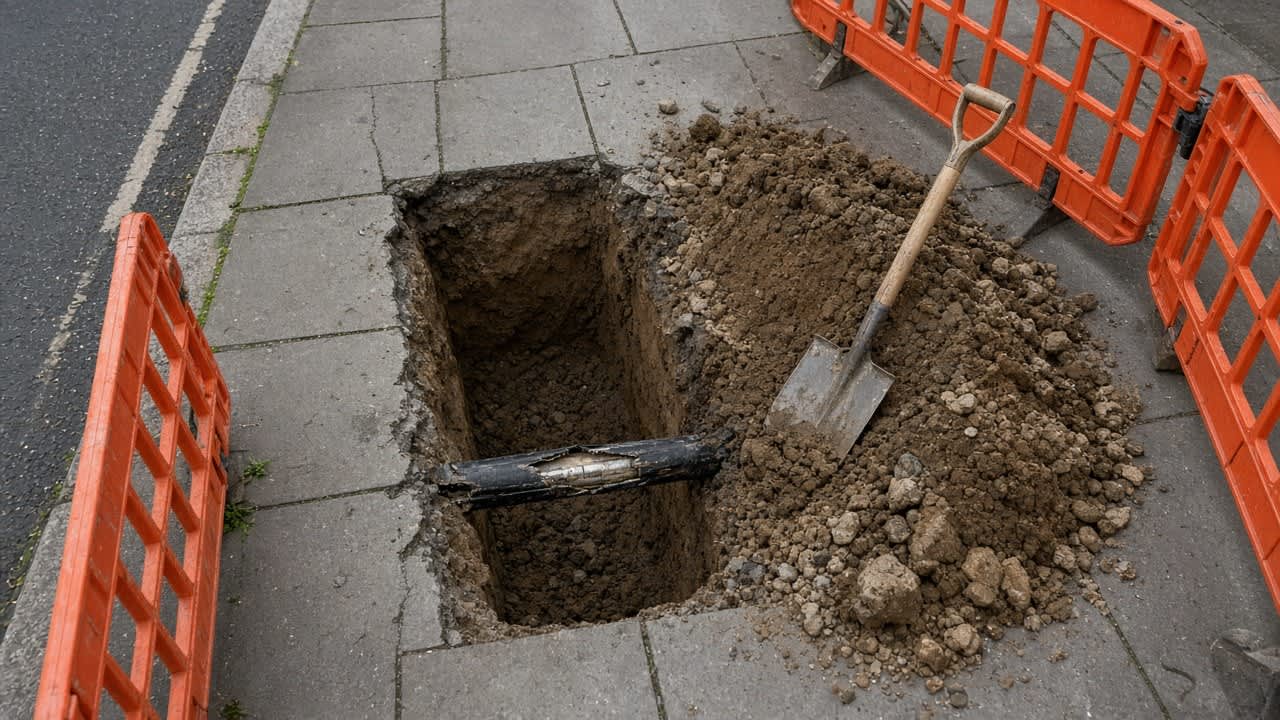
Located and still hit
The locate worked. The service was found and marked, and it was still hit. That points at how the dig was done near the mark: the digging technique, the trial holes, the hand digging, what happened between the paint and the bucket.
Not located and then hit
The service was never found. That points back at the survey: was it searched for with the right method, was a signal put on it, and could it have been found at all?
The two need completely different fixes. An investigation that does not split them cannot pick the right one, and a strategy built on the wrong one spends money on the wrong problem.
Eight More Questions to Ask
The first question splits your damages in two. These eight go further into how each one was investigated, and what changed because of it.
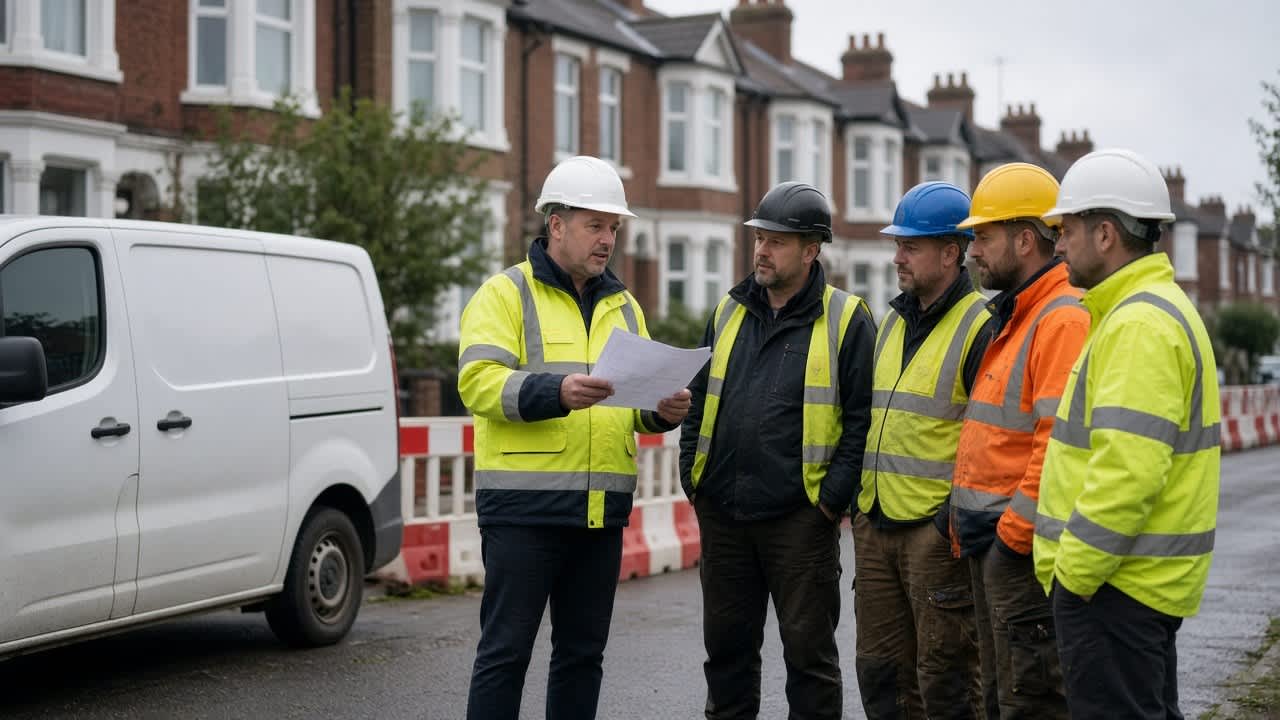
If your teams asked on Monday what to do differently, could your strike reports tell them?
This is the test every strike report should pass. If the gang who dig on Monday could read it and change one thing they do, the investigation has done its job. If it ends with a reminder to be careful, it has not.
Does your most recent damage investigation read as a defence and an explanation of the damage that just happened, or as a strategy to prevent the next one?
An investigation written to explain the last damage protects the company. One written to prevent the next damage protects the next gang. Read your latest one and be honest about which it is.
Was the CAT data analysed before and after the damage, or passed on the basis of a green dashboard?
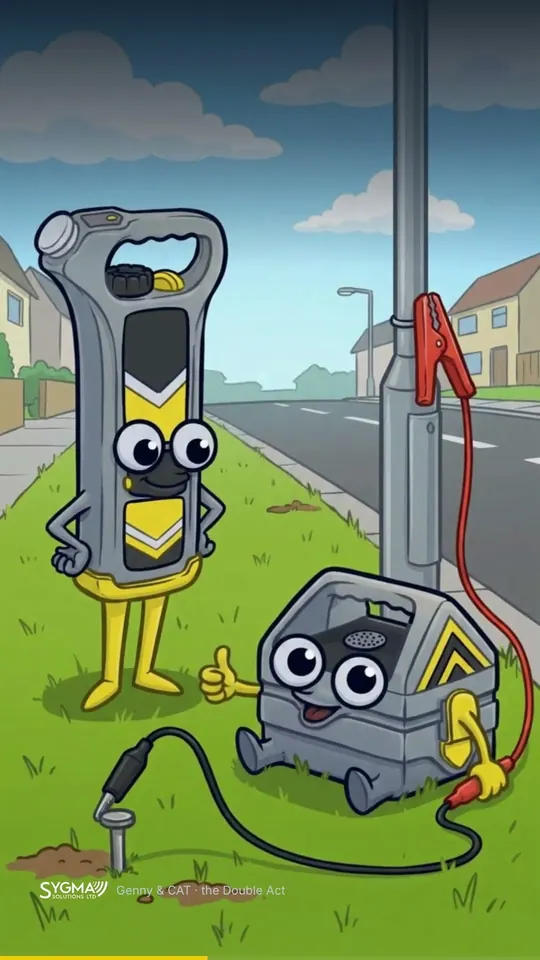
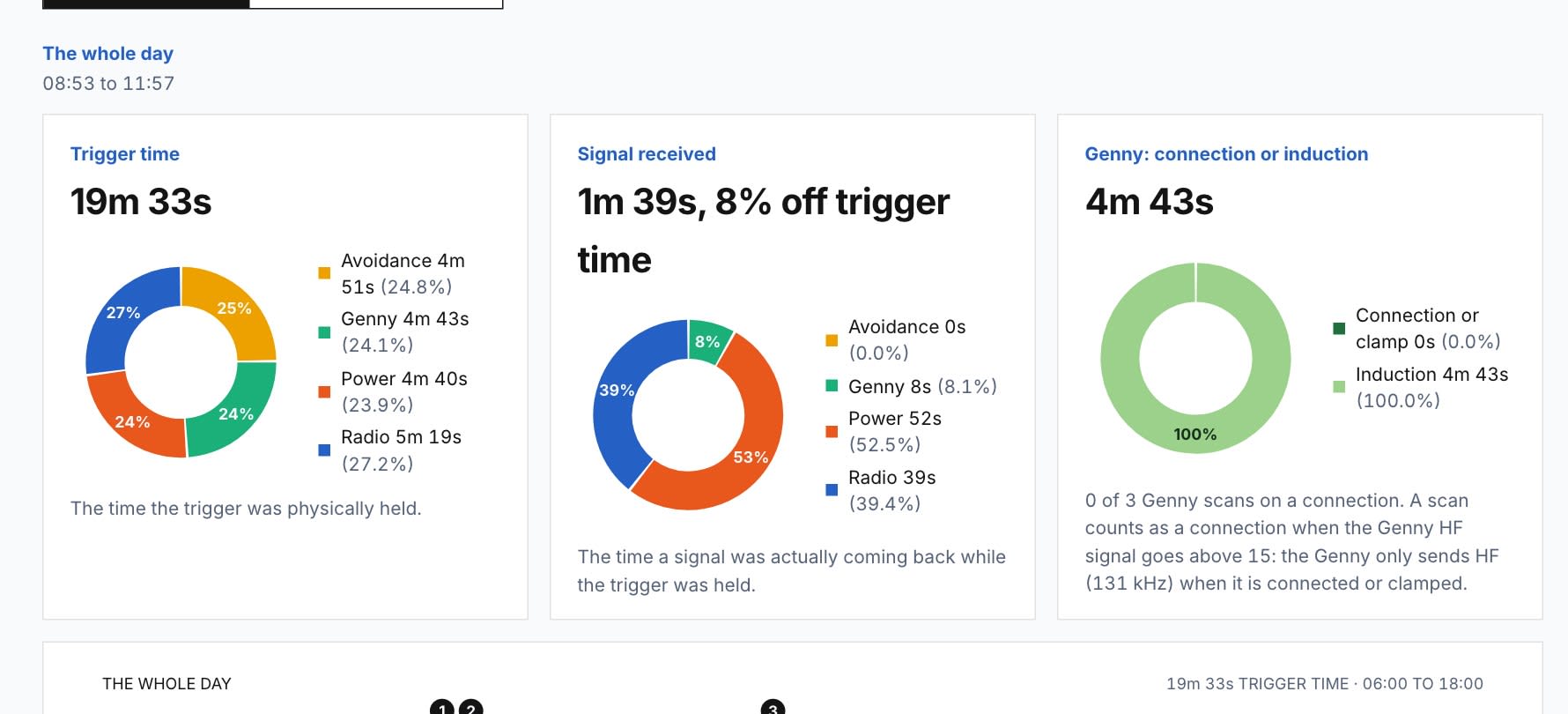
A green dashboard says the CAT was switched on and in use for long enough. It does not say whether it was used well. The download either side of the strike does: was a signal received, what sensitivity was the CAT used at, how was the CAT moved, and was the Genny connected to the service or only inducing a signal into the area? That is the difference between a tool that was used and a locate that was done.
How many of your damages put the cause down to "not following procedures"?
"Not following procedures" describes what happened. It does not say which procedure, why it was not followed, or what would make it followed next time. If it appears on most of your reports, your investigations are stopping one question too early.
How many blame the kit not being used, and what was done about it beyond telling people to use it for longer?
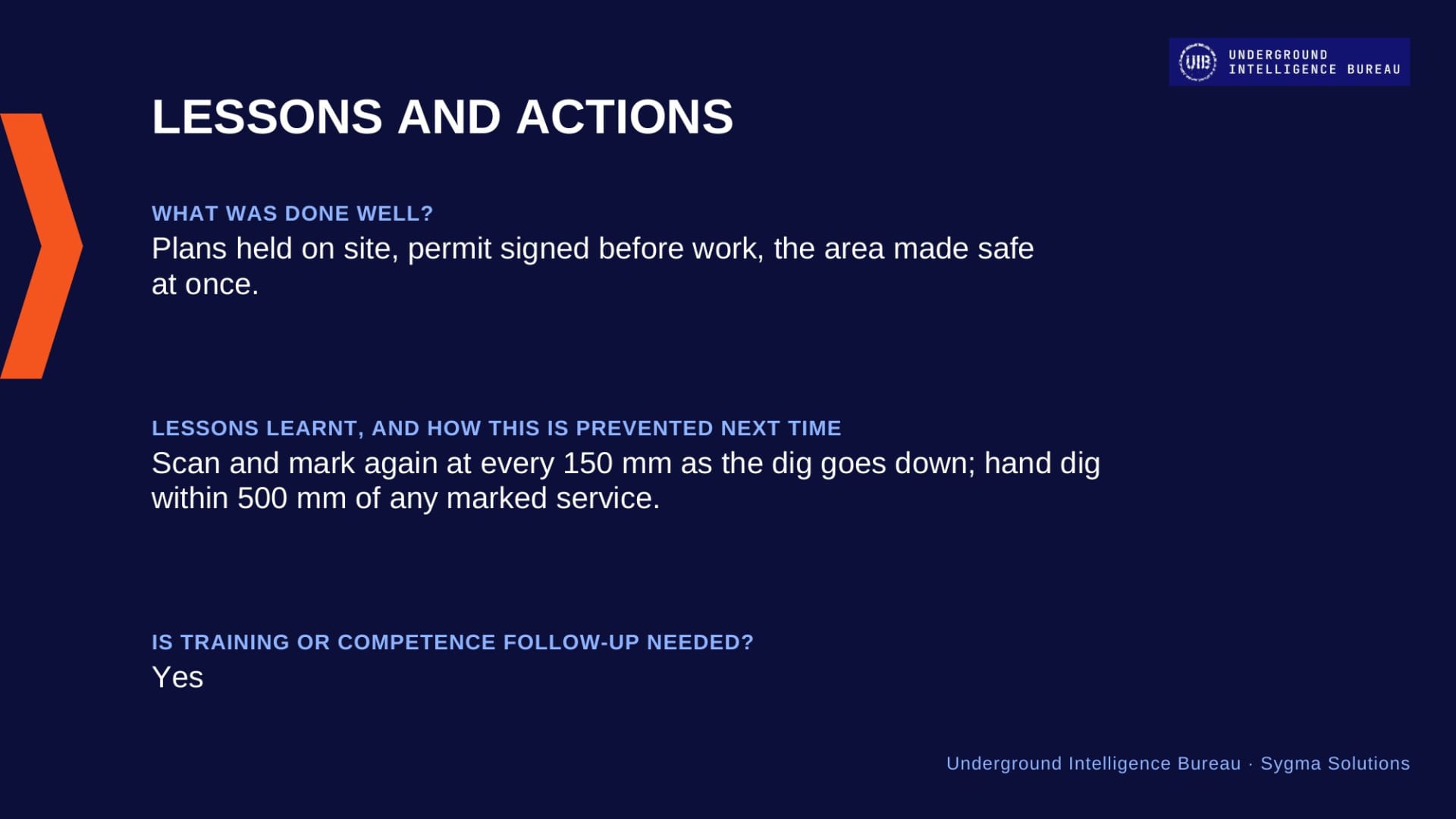
If the action after every one of these is the same message, and the next damage says the same thing, the action is not working. The useful question is why it was not used: the kit on the van, the time on the job, confidence with the method, or what the supervisor checks.
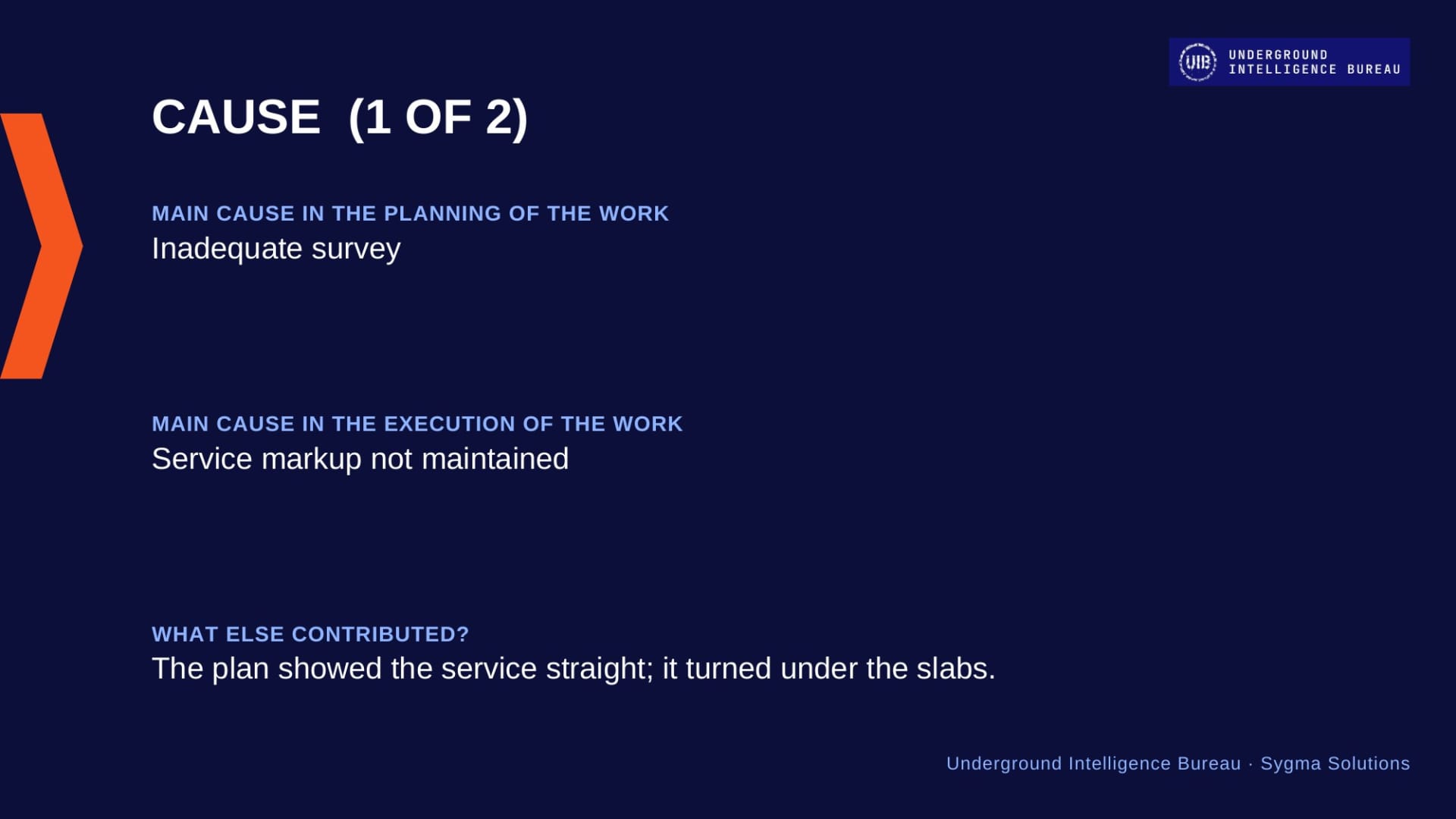
How many of your investigations found a cause that changed anything on site afterwards?
Count the investigations whose actions changed something you could see on site: a method, a check, a piece of kit, a briefing people now follow. That number says more about your investigations than the number completed.
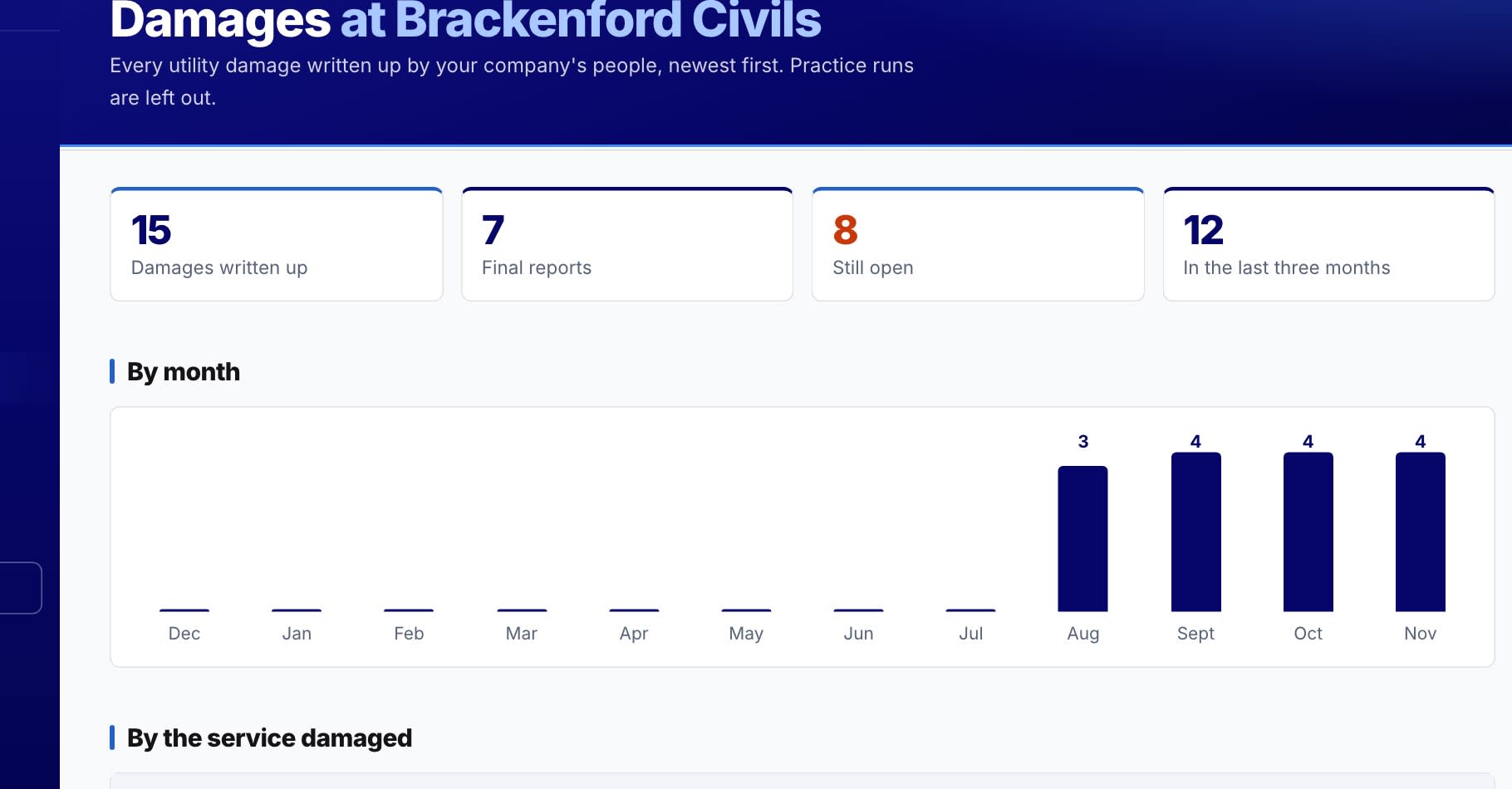
How many of this year's damages had the same cause as one before?
A cause that repeats is a cause that was found and not fixed. If it appears twice in a year, the first investigation's actions did not work, and the second investigation should say so.
Which service gets hit most, and do you know why?
Most companies can name the service they hit most. Fewer can say why: the depth it runs at, how it is laid, whether it carries a signal, where on the job it is hit. The why is where a damage reduction strategy starts.
Why Most Companies Can't Answer Them
Not because the answers are hidden. Because strike reports are written one at a time, in different formats, by different people, and filed. Nobody asks every damage the same questions, so nobody can count the answers across a year.
The CAT data is the clearest example. The download for a strike can show, minute by minute, whether the kit was used and how. It is rarely read beyond the dashboard, so the investigation leans on what people remember instead.
We can't reduce what we don't understand. The first step to preventing the next ten is being able to answer these questions about the last ten.
The Strike Intelligence Bureau
Built so these questions answer themselves
Sygma's Strike Intelligence Bureau asks every damage the same questions. It finds the real cause with the evidence, reads the CAT data, makes the interim and final reports and an action plan for the teams, and turns your strikes into USAG's strike sheet in one press. Run it yourself, or have Sygma review every strike with you.