Utility Avoidance
ZS Superuser Training for Scottish Water Supply Chain
Sygma's ZS Superuser course is the ZSI-specific super user cat and genny training programme, built for teams working within the Scottish Water supply chain. This advanced training course follows the same structure and standard as the EUSR Superuser, mapped to the Zero Strike Initiative framework for locating underground services and buried utilities.
21 Years
One Specialism
Cat and genny training for underground utility location is all we do.
70-80%
Increase in Genny Usage
Measured through CAT Manager data downloads after Sygma genny training.
Proven
Strike Reduction Record
Clients report measurable reductions in utility strikes after completing cat and genny training courses.
Duration
2 days (flexible approach)
Max Delegates
6 per course
Framework
ZSI Zero Strike Initiative
Assessments
3 formal assessments
Prerequisite
EUSR CAT1 and EUSR CAT2

ZSI-Specific Super User Cat and Genny Training
The EUSR Superuser Standard, Built for the Scottish Water Supply Chain
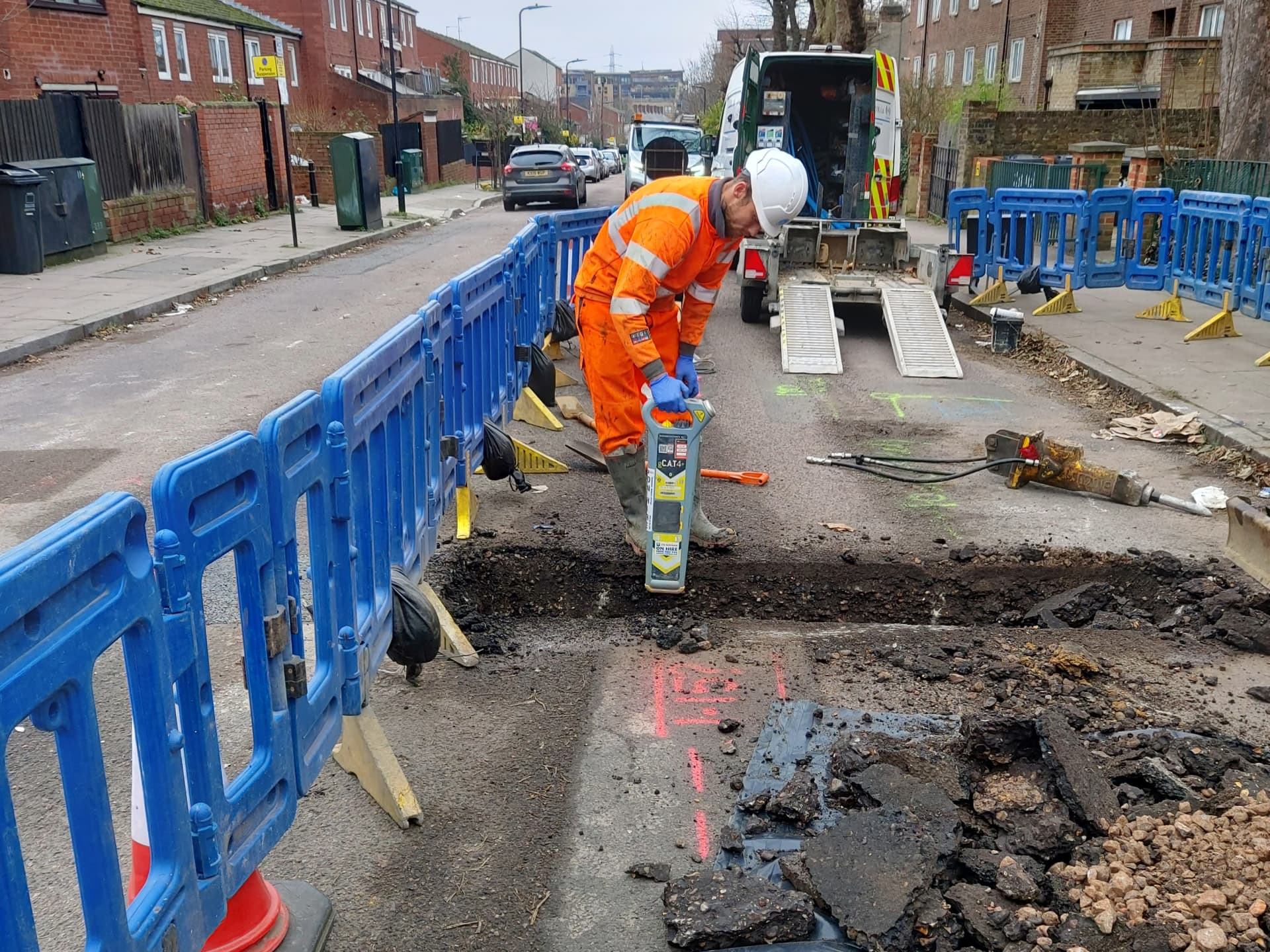
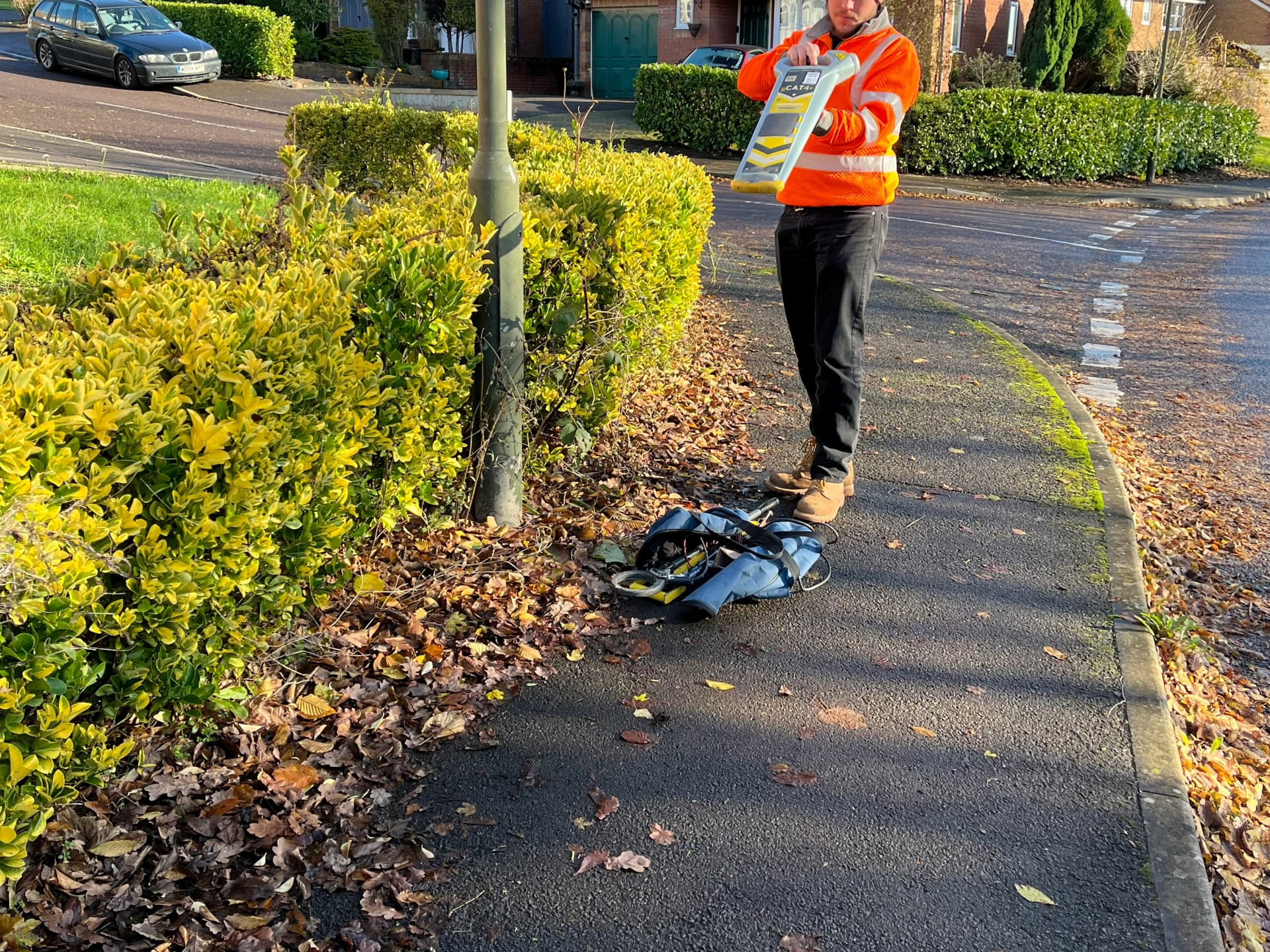
The ZS Superuser training course follows the same two-day structure and assessment framework as Sygma's EUSR Superuser course, with one important difference: the delivery is mapped to the Scottish Water Zero Strike Initiative (ZSI) framework. This cat and genny training teaches delegates how to locate utility services, operate cat and genny equipment to the required standard, and coach others in safe excavation practices.
Scottish Water's Zero Strike Initiative sets specific standards for how utility location and avoidance work is planned, documented, and carried out across its supply chain. Delegates learn to use cable avoidance tools (CAT) and signal generators (genny) to locate buried services and underground utilities safely, avoiding danger from underground services during excavation work. The ZSI Operators' Guide, the minimum locator standard, and Scottish Water's company-specific policies are all embedded into the delivery.
Delegates leave with the same advanced capabilities as EUSR Superuser completers (advanced location, utility strike investigation, coaching, and assessment competency) but with content, documentation, and case studies specific to Scottish Water operations. The course develops practical skills in operating cat and genny equipment across all modes, interpreting utility drawings, and conducting best practice surveys to locate utility services in complex underground utility networks.
Course at a Glance
The ZSI Framework
Scottish Water's Zero Strike Initiative
Scottish Water's Zero Strike Initiative is the framework that governs utility location and avoidance across its supply chain, ensuring compliance with current legislation and guidance for avoiding danger from underground services. It sets minimum standards for cat and genny training, documentation, PPE, survey methodology, and permit management. The key ZSI elements embedded in this training course include:
Classroom Content
Knowledge Required to Operate as a ZSI Superuser
The classroom session covers the theory and knowledge required to fulfil the ZS Superuser role: advanced cat and genny training covering location theory, utility strike investigation, CAT Manager data analysis, and the coaching skills and competency needed to assess other operatives against the ZSI standard.
Site Practical
ZSI Methodology Applied on a Live Utility Area
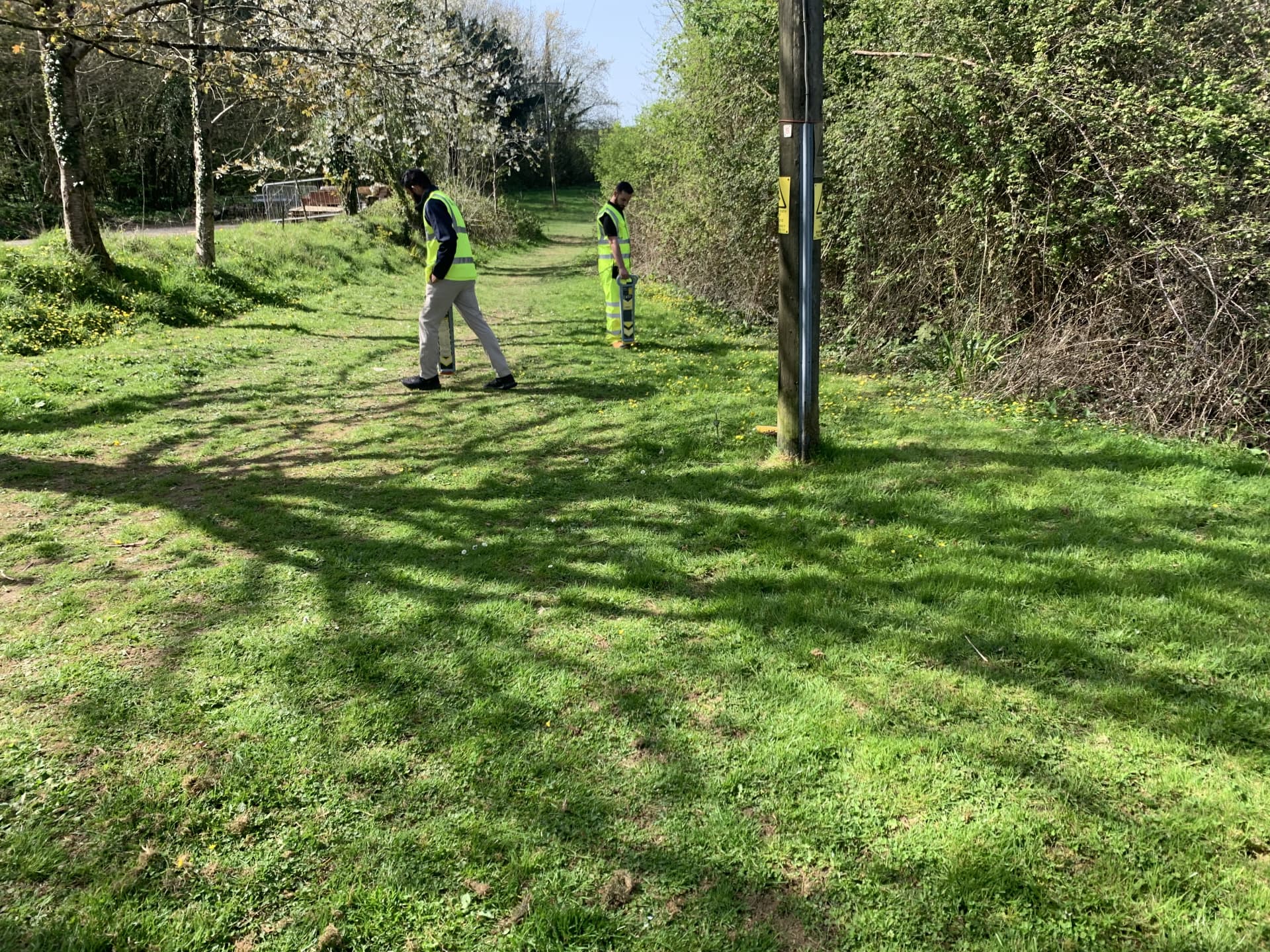
The site practical training is flexible across both days and is conducted on a live utility area with real underground services. All practical work follows ZSI survey methodology (genny first, then passive and all other modes) to locate utility services in line with Scottish Water requirements.
Assessments
Three Formal Assessments Over Two Days
POW Risk Assessment
Each delegate completes their own Point of Work Risk Assessment before the practical cat and genny training begins, identifying risks on site and planning assessment of the work area.
Practical Assessment 1: Standard Locate
Sygma standard practical assessment that records and documents the delegate's skills and competency to operate cat and genny equipment and locate utility services independently in line with ZSI requirements.
Practical Assessment 2: Coaching Assessment
Delegates use the Assessment 1 document to coach and assess each other on cat and genny operation, supported by the Sygma coaching sheet. The coaching competency criteria include: communicating effectively with the team, considering learning needs, downloading and understanding CAT Manager data, and giving structured guidance and feedback.
Permit to Break Ground
Each delegate completes a permit to break ground, ideally using the Scottish Water or customer-specific permit form.
What You Get
What Delegates Receive
ZS Superuser Certification
Sygma-issued certification confirming completion of the ZSI-specific super user cat and genny training programme. Recognised as a qualification within the Scottish Water supply chain. EUSR category registration supports safe excavation compliance.
Written Assessment Record
Documented theory assessment covering ZSI requirements, HSG47 guidance, current legislation, utility strike investigation, and CAT Manager data analysis.
Practical Assessment Records
Two on-site practical assessment records: standard locate (Assessment 1) and coaching assessment (Assessment 2), both aligned to ZSI methodology for locating underground services with cat and genny equipment.
Coaching Competency Evidence
Documented evidence of coaching capability and competency, including communication, learning needs assessment, data interpretation, and structured guidance and feedback delivery. This certification supports your responsible role as a super user.

Audience
Who Should Attend
Experienced Operatives in the Scottish Water Supply Chain
Operatives who hold EUSR CAT1 and EUSR Safe Dig CAT2 certification and are ready to step up to a superuser role. This cat and genny training course is suitable for those who will be coaching, supporting, and assessing their teams on ZSI-compliant surveys to locate utility services and underground utilities.
Supervisors and Team Leaders
Supervisors and team leaders responsible for coaching their teams in ZSI methodology, conducting documented assessments, investigating utility strikes, and leading by example in the field. The ZS Superuser genny training gives them the advanced knowledge and assessed competency to operate cat and genny equipment and conduct safe excavation guidance effectively.
Companies with Scottish Water Contracts
Any company in the Scottish Water supply chain that needs to develop internal superuser capability in line with ZSI requirements. This cat and genny training course ensures your superusers are trained, assessed, and documented to the standard Scottish Water expects for locating buried services and underground utilities during construction and excavation work.
Common Questions
Frequently Asked Questions
What is the difference between the ZS Superuser and the EUSR Superuser?
The structure, duration, assessments, and standard of both cat and genny training courses are identical. The ZS Superuser is mapped specifically to the Scottish Water Zero Strike Initiative (ZSI) framework. It uses ZSI documentation, Scottish Water-specific examples and case studies, and the ZSI Operators' Guide. The EUSR Superuser is built around the EUSR (EUSR) framework and is relevant across all clients and sectors. If your team works in the Scottish Water supply chain, the ZS Superuser training course is the right course.
Do delegates need to hold EUSR CAT1 and CAT2 before attending?
Yes. Delegates must hold both EUSR category EUSR CAT1 and EUSR Safe Dig CAT2 certification before attending the ZS Superuser cat and genny training course. These are the minimum training requirements and prerequisite qualifications set by the Scottish Water Zero Strike Initiative for anyone working on a ZSI site.
Does the course cover the ZSI Operators' Guide?
Yes. The ZSI Operators' Guide is embedded into the delivery, covering planning, preparation, documentation, survey and marking, breaking ground, and reinstatement to the ZSI standard. Delegates leave understanding their responsibilities under the guide and how to apply them when coaching their teams.
What is the advanced locator equipment standard?
The advanced locator is the minimum cat and genny equipment standard required by Scottish Water's Zero Strike Initiative. It means all cable avoidance tools and signal generators used on ZSI sites must meet advanced locator specifications or higher. This requirement is covered in the training course and built into the practical training on locating underground services.
How many delegates can attend?
A maximum of 6 delegates per cat and genny training course. The small group size allows for individual practical assessments and meaningful coaching sessions where each delegate can develop practical skills and complete their assessments. Contact Sygma if you have a larger team. Additional course dates can be arranged.
Can Sygma deliver this course at our premises?
Yes. All ZS Superuser cat and genny training courses are delivered in-house at your premises. You need a room for up to 6 delegates and a suitable outdoor site area with buried services and underground utilities for the practical sessions. Sygma can advise on site suitability and equipment requirements.
What cat and genny equipment do delegates need for the course?
Delegates should bring their own cat and genny equipment that meets the advanced locator standard required by Scottish Water's Zero Strike Initiative. This means cable avoidance tools (CAT) and signal generators (genny) at advanced specification or higher. If your genny equipment does not meet the ZSI standard, contact Sygma before the training course to discuss options. The course covers how to operate cat and genny in all modes including passive modes, different frequencies, and genny-first methodology.
How does the ZS Superuser support safe excavation and compliance?
The ZS Superuser cat and genny training directly supports safe excavation by ensuring delegates can locate utility services and underground services before any excavation work begins. The course covers current legislation including HSG47 guidance for avoiding danger from underground services, risk assessment planning, and best practice for reducing utility strikes. Certification confirms the delegate is competent to locate buried services and coach others in safe excavation compliance within the Scottish Water supply chain.
What is the EUSR category requirement for the ZS Superuser?
The EUSR category prerequisite for the ZS Superuser is EUSR CAT1 (cable avoidance training) and EUSR CAT2 Safe Dig (safe excavation). These qualifications from the awarding body confirm the delegate has the foundation knowledge and skills to operate cat and genny equipment safely. The ZS Superuser builds on this with advanced genny training, utility strike investigation, coaching competency, and assessment skills specific to Scottish Water's Zero Strike Initiative.
Does the certification have an expiry date?
The ZS Superuser certification issued by Sygma is a recognised record of completing the training course and all associated assessments. While Sygma certification does not carry a fixed expiry date, best practice and Scottish Water's own requirements mean that refresher cat and genny training should be conducted regularly to maintain competency. EUSR category registrations carry their own expiry date and require re-assessment to maintain your qualification as a leading provider of safe utility location services.
Why Sygma
Why Choose Sygma for ZS Superuser Training
Scottish Water's Zero Strike Initiative demands superusers who understand ZSI from first principle. Sygma is a leading provider of cat and genny training courses, and delivers exactly that.
Scottish Water Approved
Meets Scottish Water ZS standard requirements for utility location competence.
Cat and genny training mapped specifically to the Zero Strike Initiative framework and ZSI Operators' Guide for locating utility services.
Specialist Trainers
Directly employed, ex-surveyors and ex-manufacturers, TAQA qualified.
Trainers with practical skills and experience in Scottish Water supply chain operations, cat and genny equipment, and ZSI requirements.
Real Practical Assessment
Structured on-site practical in real conditions.
Assessment follows ZSI methodology and requirements throughout both days, with delegates assessed on their ability to locate underground services using cat and genny.
Independent
No surveys, no equipment, no manufacturer relationships.
Objective cat and genny training course focused on ZSI compliance and best practice, not commercial interests.
We Come to You
Delivered at your site, travel included.
In-house cat and genny training at your location anywhere in the UK, using your site utilities and underground services.
Small Groups
Maximum 6 delegates per course.
Small groups allow individual attention during coaching assessment, practical instruction, and genny training to develop practical skills.
Funding
CITB Employer Network
Training Support
Sygma is a CITB ATO. Contact your CITB Employer Network adviser about funding. All Sygma courses exceed 51% practical.
CITB-registered employers may be able to access Employer Network funding towards cat and genny training course costs. ZS Superuser training is recognised as professional development supporting your Scottish Water supply chain capability in construction and utility location.
Next Steps
Related Training Courses
Build your team's cat and genny training capability across the EUSR pathway and Scottish Water supply chain requirements.
EUSR CAT 1 Training
The foundation cat and genny training course and EUSR category qualification. Superuser prerequisite required for all delegates.
EUSR CAT2 Safe Dig
Safe excavation training course and permit requirements for avoiding danger from underground services. Superuser prerequisite required for all delegates.
EUSR Superuser
The standard super user cat and genny training course for non-Scottish Water teams. Same structure, EUSR framework.
Enquire About the ZS Superuser Cat and Genny Training Course
2 days, maximum 6 delegates. In-house cat and genny training at your site anywhere in the UK. Built specifically for Scottish Water supply chain teams operating under the Zero Strike Initiative to locate utility services and underground utilities safely.