About Sygma Solutions
One Subject. Expert Specialists.
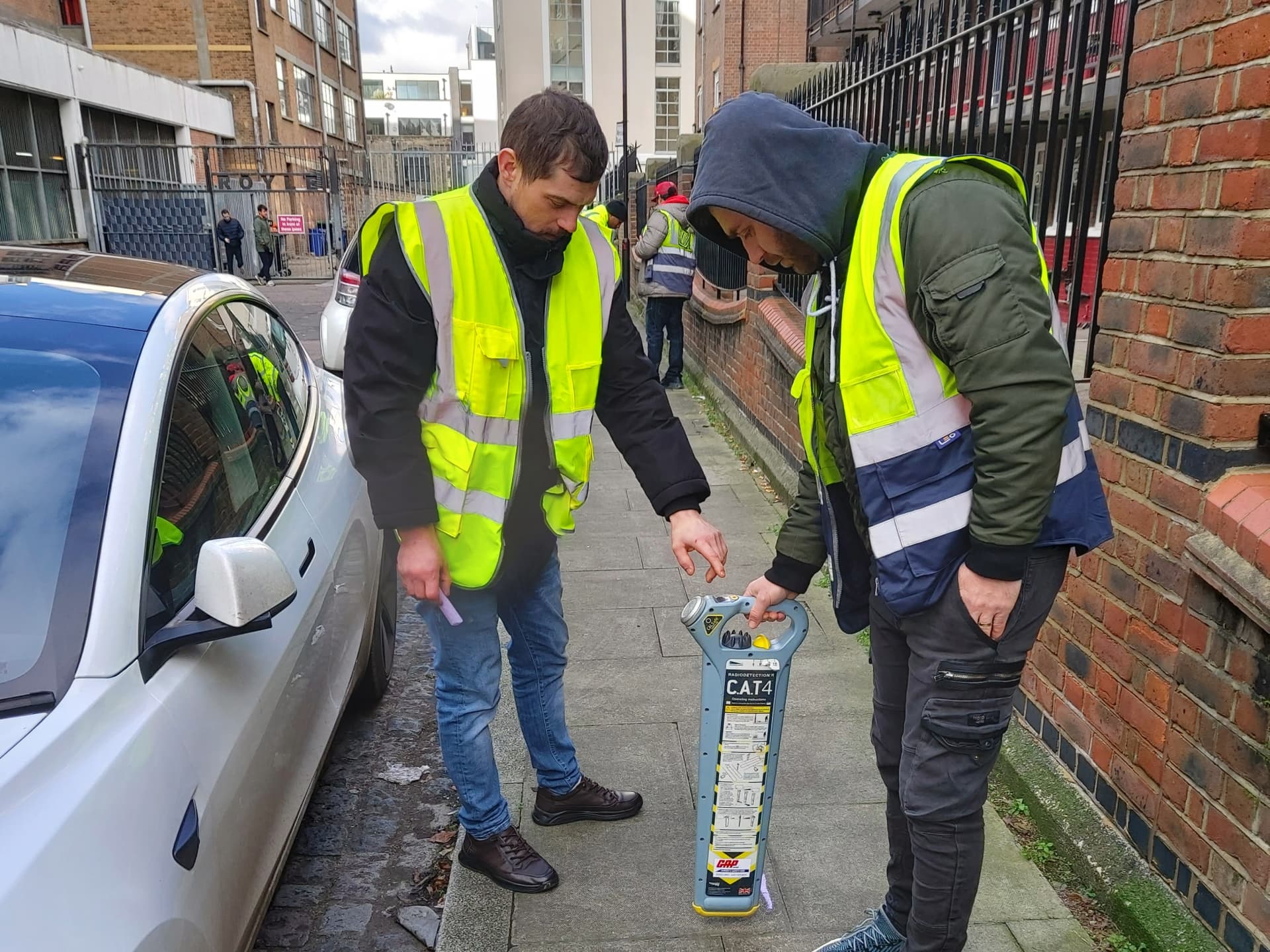
Sygma Solutions is the UK's only independent cable avoidance training specialist. We teach one subject: cable avoidance and utility mapping training, delivered by experienced professionals who are not tied to any equipment manufacturer.
The Founding Philosophy
Why We Do One Thing and One Thing Only
Other training companies deliver hundreds of different subjects. Sygma delivers one. Cable avoidance training is not part of what we do. It is all we do. From introductory CAT and Genny courses to advanced utility mapping qualifications, every cable avoidance course we deliver reflects 21 years of specialist focus on this single subject.
Every Sygma trainer is an experienced utility mapping professional. Directly employed. Ex-manufacturer or ex-utility surveyors. TAQA qualified. Not freelancers. Not generalists. When a Sygma trainer tells you that the cable avoidance techniques being used on your construction site create risk, or that workers need to change how they carry out cable location work, they have the field experience to back it up.
We are not tied to any cable avoidance equipment manufacturer. We do not sell EM equipment or cable avoidance tools. Because we are independent, we can teach the limitations of every tool on the market, cover the techniques that actually work on site, and make recommendations based on safety rather than sales targets.
"We only teach one subject. Every one of our trainers is a specialist. That focus is what makes the difference."
21
Years established
15+
Directly employed specialist trainers
1
Subject. Underground utility location.
0
Manufacturer ties
Behavioural Change
Most Strikes Happen Before the First Shovel Breaks Ground
The data is consistent. The majority of cable strikes do not happen because workers lack cable avoidance equipment. They happen because of what operatives believe about the tools they have. Overconfidence. Confirmation bias. Pressure from supervisors to start excavating. The false certainty of a single locate. Proper cable avoidance training is essential to address these dangers and reduce the risk of accidents on construction sites.
Sygma's training methodology addresses all of these. We do not simply teach operatives how to turn on a locator. We teach them why the signal behaves the way it does, what to do when the environment distorts it, and how to recognise the moment when they need to stop and call for a re-survey.
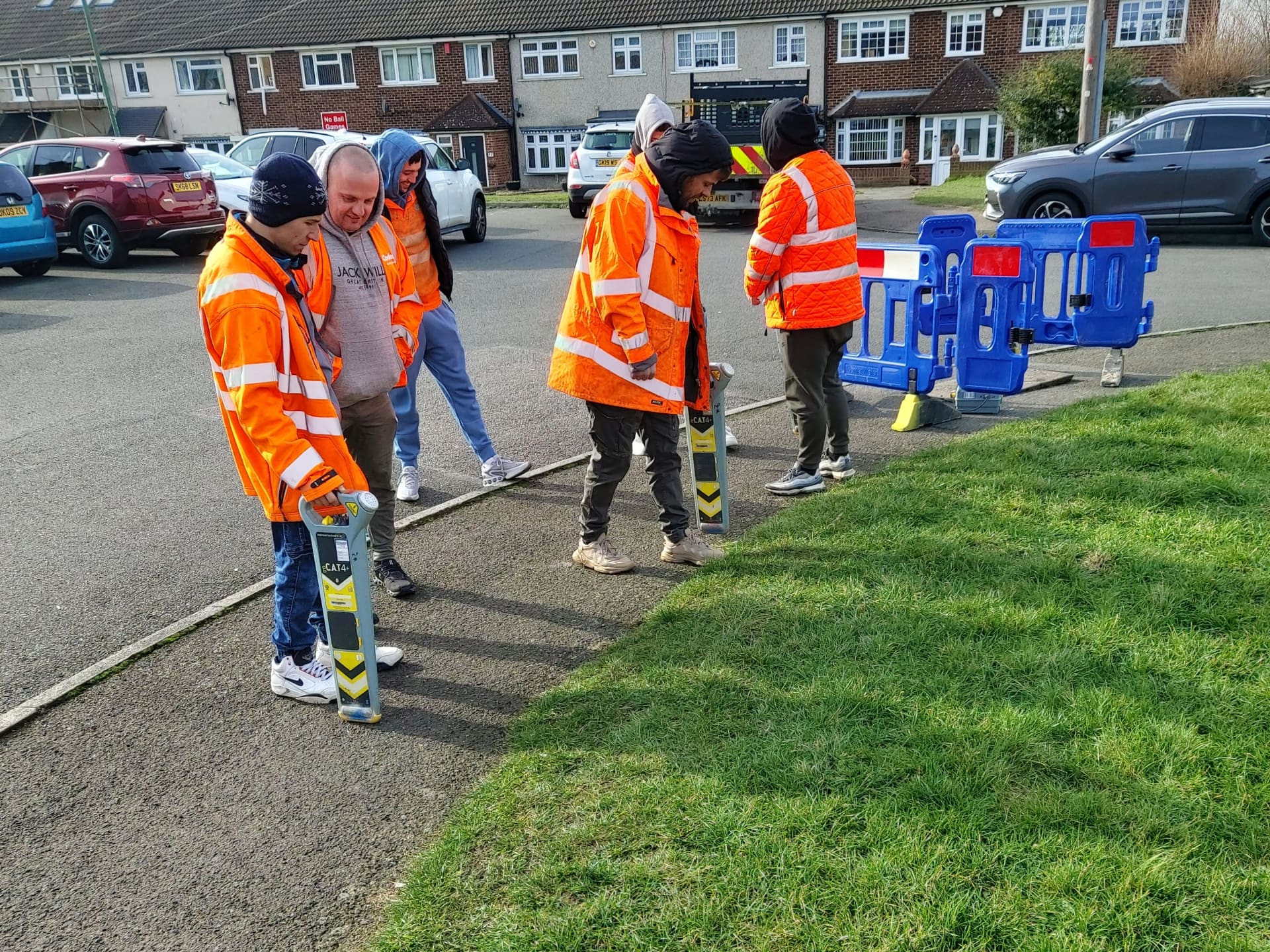
The Four Failure Patterns We Systematically Address
Location, not just avoidance
Most cable avoidance training courses focus on the dig area and passive scanning. Our course content covers how to read service drawings, cross-reference site plans, identify what services should be running through the proposed excavation, and then actively locate underground cables and buried services using a Genny-First approach with the signal generator.
Overconfidence in cable avoidance equipment
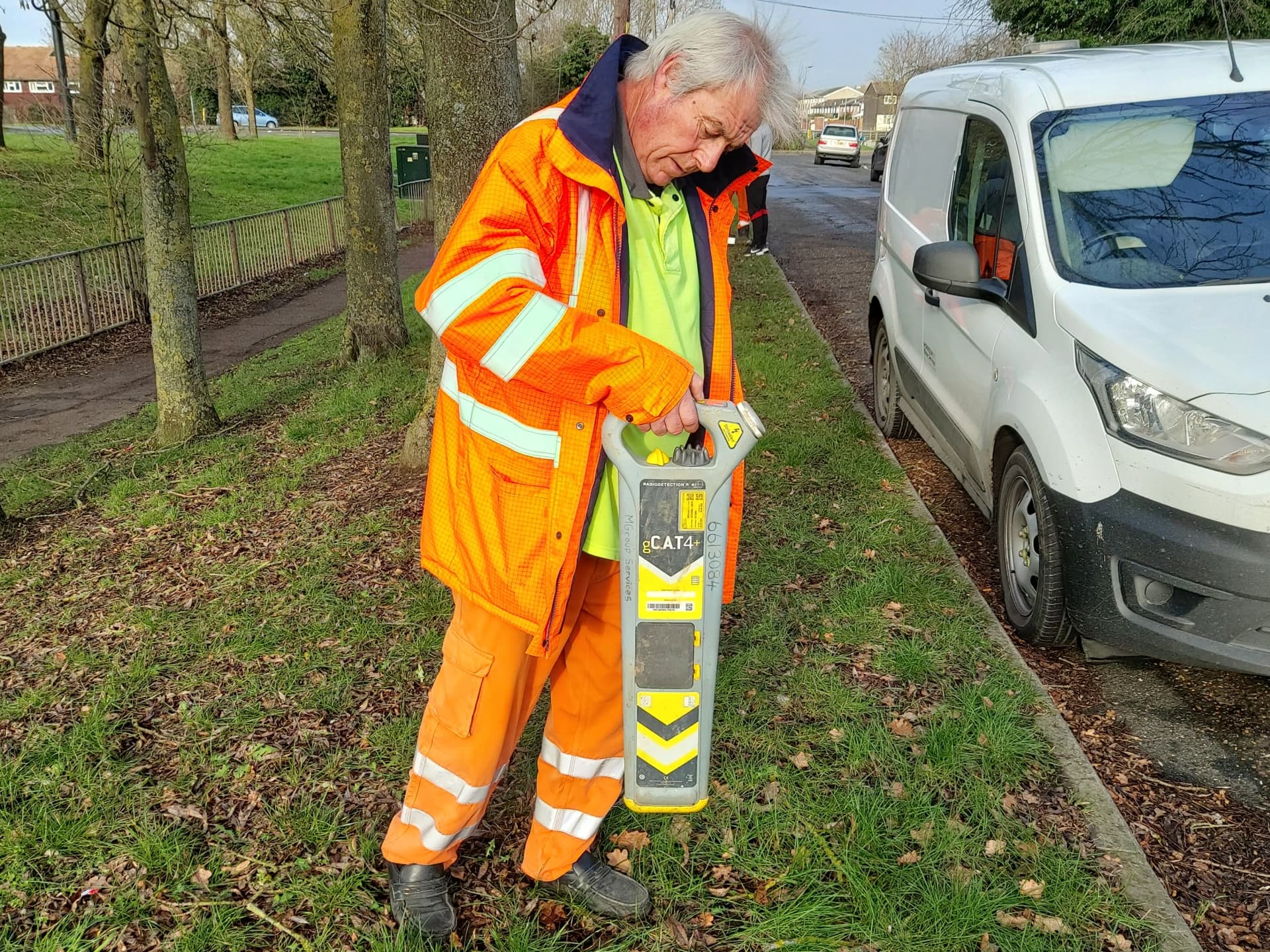
CAT-only working. Frequency selection by habit, not by logic. Cable avoidance tools have limitations. They may not detect plastic pipes without tracer wires, or cables that are deeply buried or carry very low current. Our cable avoidance training covers these limitations and replaces guesswork with electromagnetic theory, explained in terms that make sense on a muddy construction site.
Confirmation bias
The tendency to find what you expect to find. We train operatives to actively look for evidence that disproves the utility plan, not blindly confirm it.
Genny avoidance
More operatives than most companies would admit rarely or never connect a Genny signal source. Clients who implement our Genny-First methodology report a 70 to 80% measurable increase in Genny usage. That is a site that is measurably safer.
The Importance of Cable Avoidance Training
Why Certified Cable Avoidance Training Matters
Thousands of underground utility strikes are reported across Great Britain every year. Striking an electrical cable or gas main can lead to catastrophic injuries or death. Cable strikes also result in extensive damage to infrastructure, significant financial costs, compensation claims, and construction site shutdowns that cause project delays. These consequences affect the contractor's reputation and the safety of every worker on site.
Certified cable avoidance training is essential to reduce the risk of these accidents. Proper training ensures that operatives and supervisors can locate underground cables and pipes safely and effectively before and during excavation. Course content covers emergency protocols, including when to switch off power, how to evacuate safely, and whom to contact if a cable strike occurs. The training also ensures compliance with health and safety guidance such as HSG47 and the CDM Regulations, which are applicable to every excavation project in the UK.
On successful completion of a Sygma cable avoidance training course, delegates receive a training certificate and photo ID card to demonstrate competence. Sygma certifications are valid for three years before refresher training is required. Sygma does not run half day cable avoidance courses. Our minimum is a full day, because competence in avoiding danger from underground services cannot be built in four hours.
Our People
Every Trainer Is a Specialist. That Is Not a Tagline.
Every Sygma trainer is directly employed. No freelancers. No generalists. Every one of them has worked as a utility surveyor or for an equipment manufacturer before joining Sygma. They are TAQA qualified and they teach one subject. That is what makes the difference between a course that ticks a box and a course that changes behaviour on site.
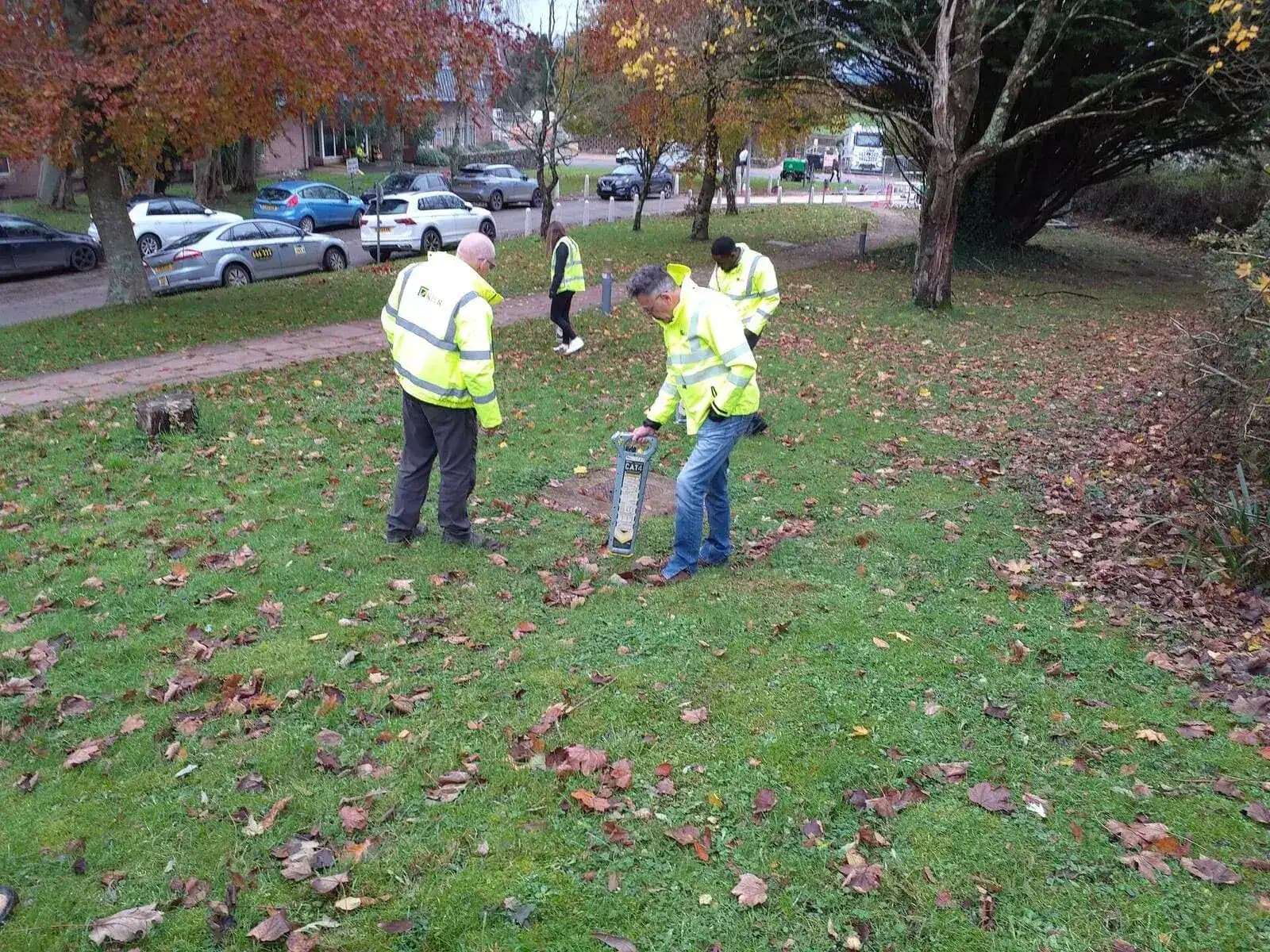
Ex-Utility Surveyors
Trainers who have spent years running electromagnetic and GPR surveys on live sites. They know where the equipment fails and why, because they have been there.
Ex-Equipment Manufacturer Specialists
Trainers who worked for the companies that design and build the locating equipment. They understand the engineering behind the signal, not just the buttons on the front panel.
TAQA Qualified Assessors
Every Sygma trainer holds a Training, Assessment and Quality Assurance qualification. They do not just know the subject. They know how to assess it properly.
Directly Employed
No agency staff. No sub-contracted freelancers. Every trainer works for Sygma and is accountable to Sygma's standards. You get the same quality every time.
Course Content
What Our Cable Avoidance Training Courses Cover
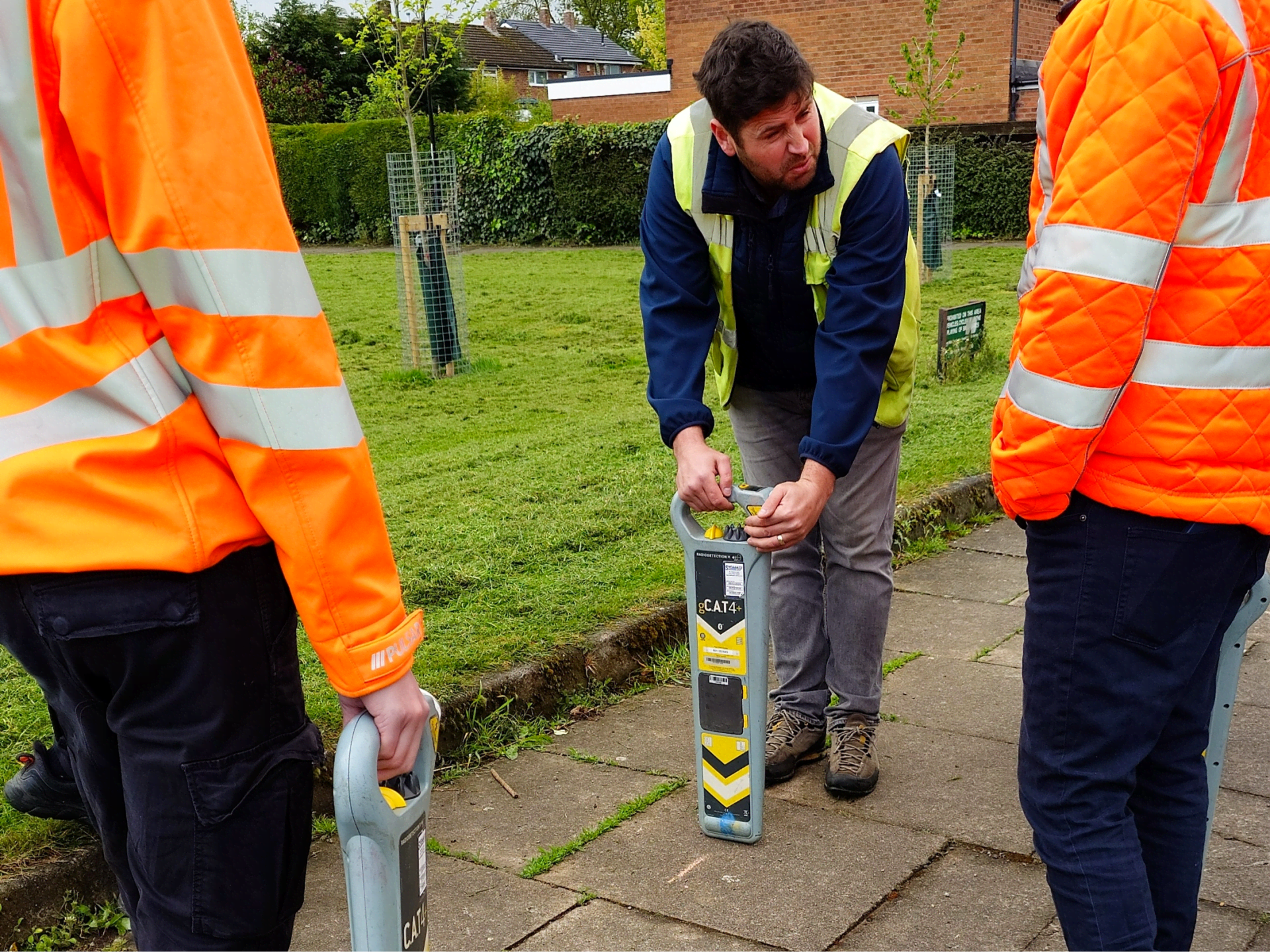
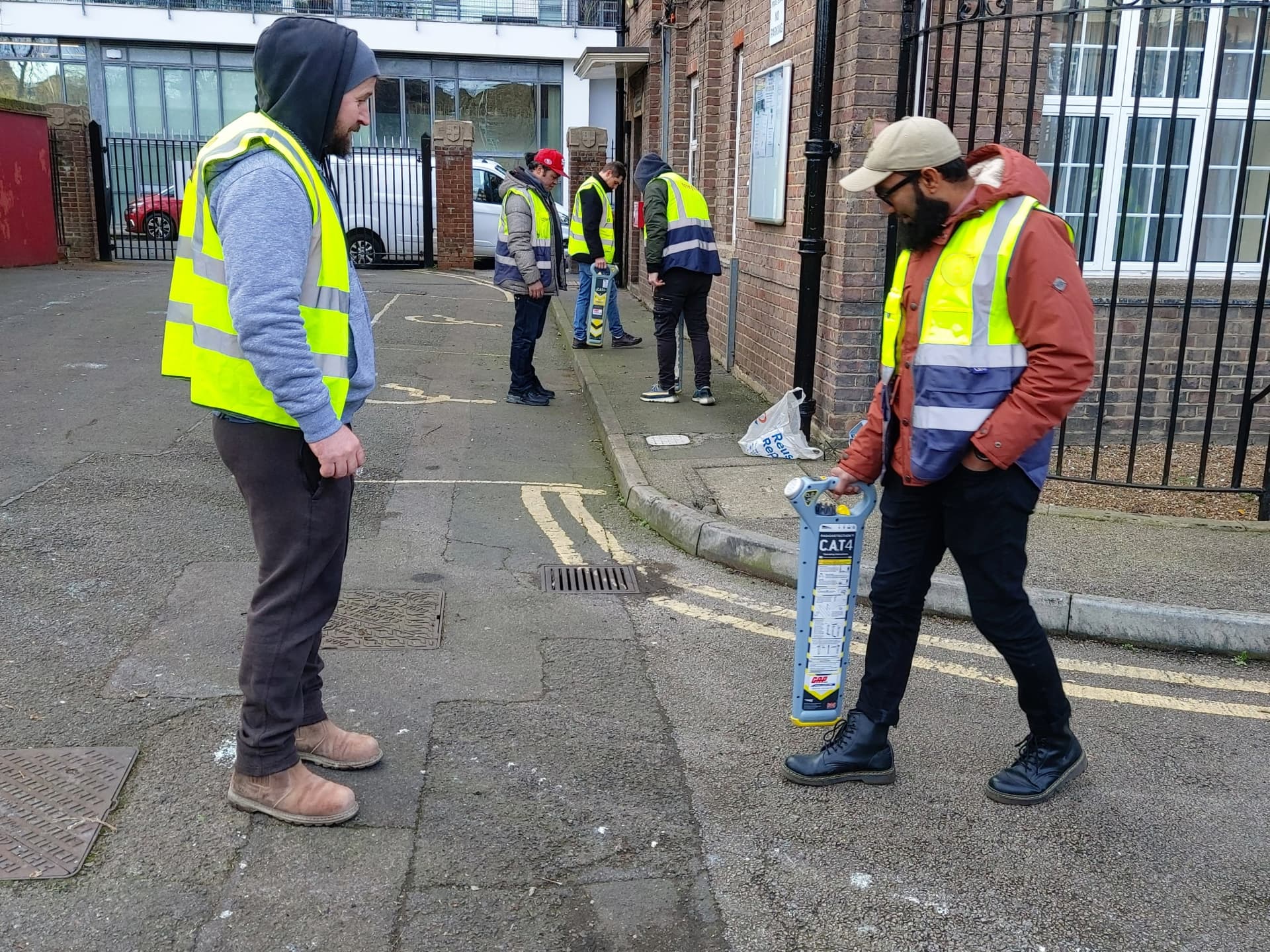
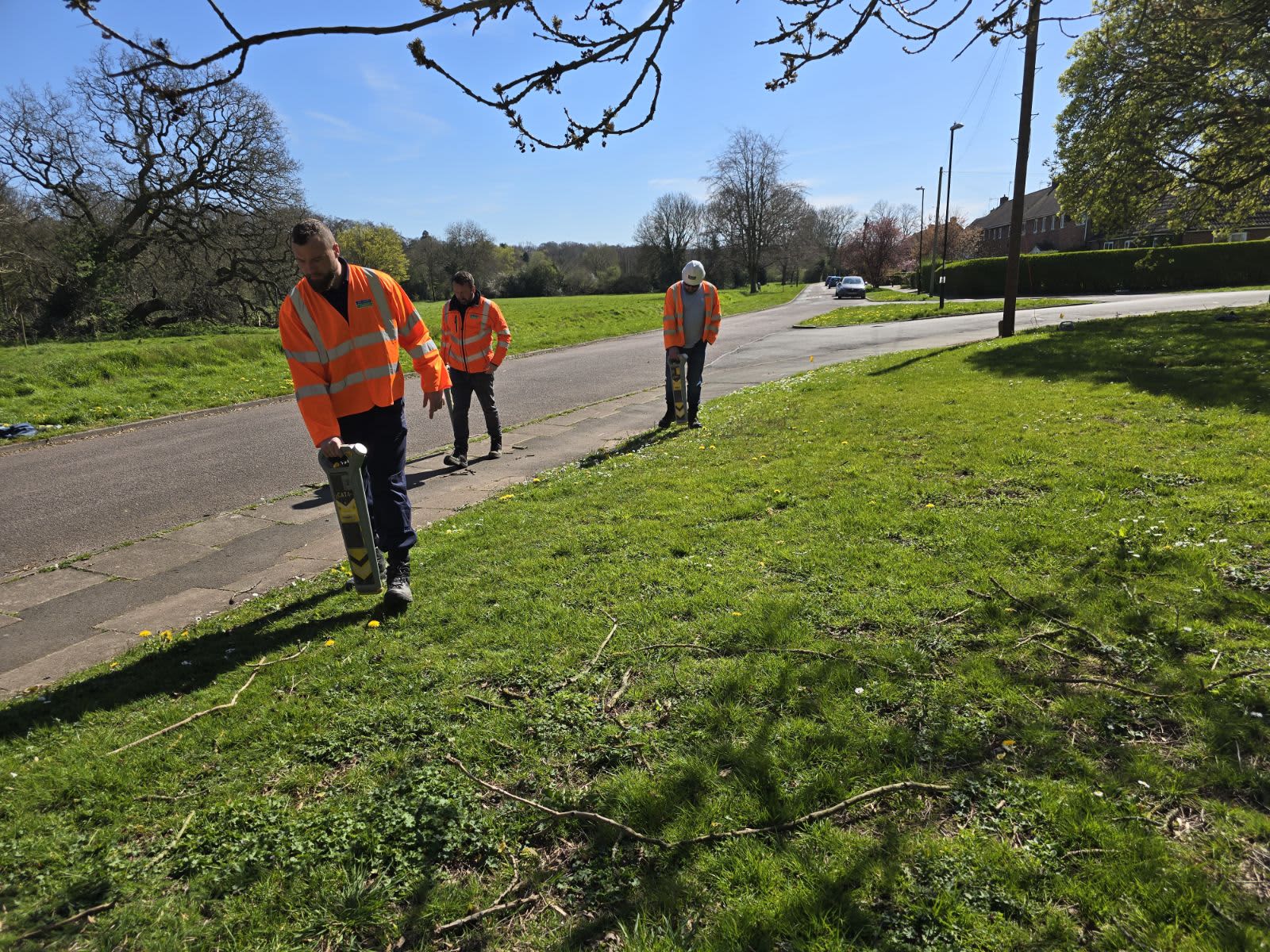
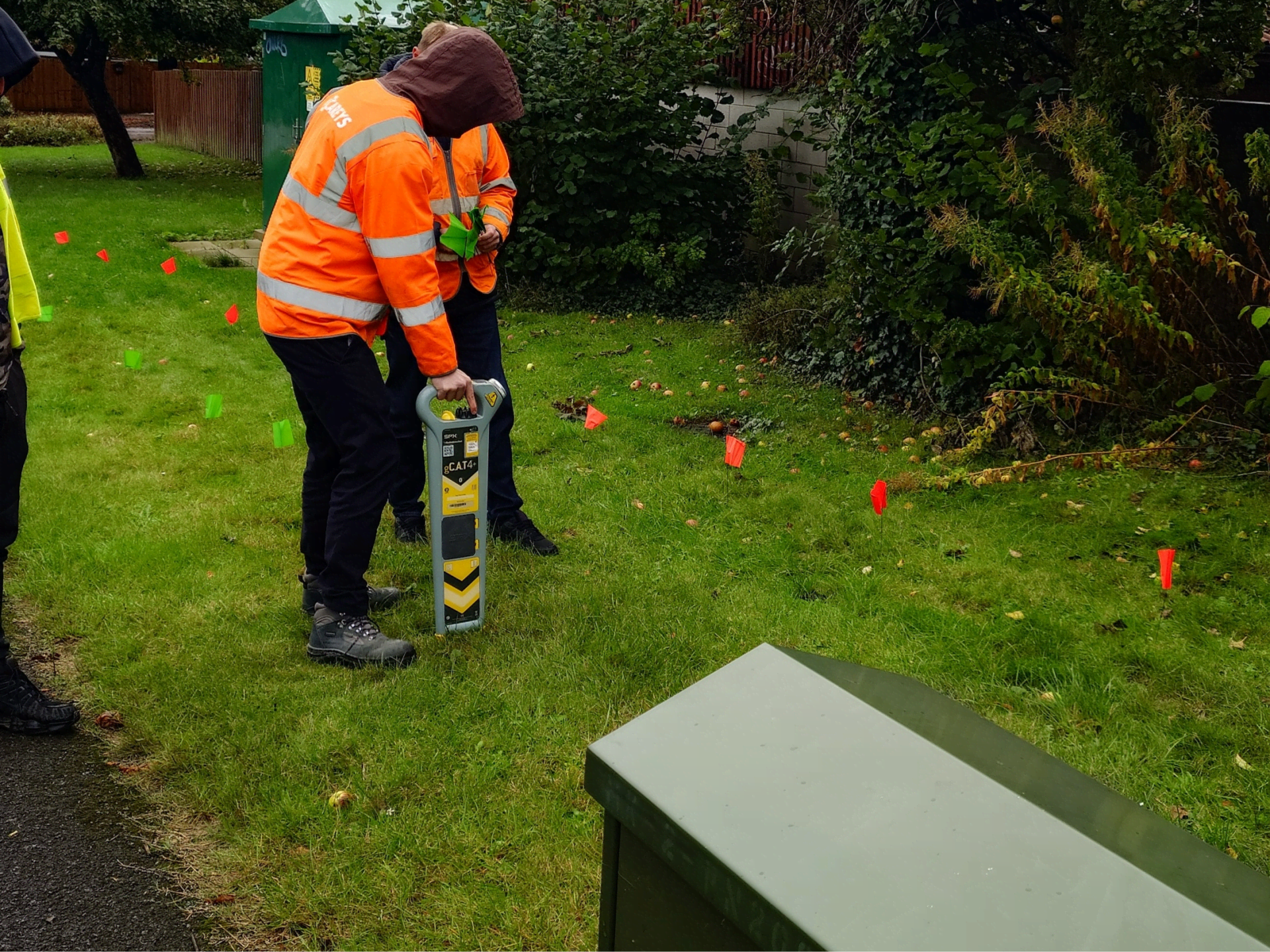
Every Sygma cable avoidance training course combines theoretical and practical sessions. The course content covers electromagnetic signal theory, the practical use of CAT and Genny cable avoidance tools across all four locating modes (Power, Radio, Genny, and Avoidance), signal generator operation, and how to read and cross-reference service drawings to locate underground services before breaking ground. Delegates also learn how to carry out cable avoidance work in realistic site conditions using real cable avoidance equipment.
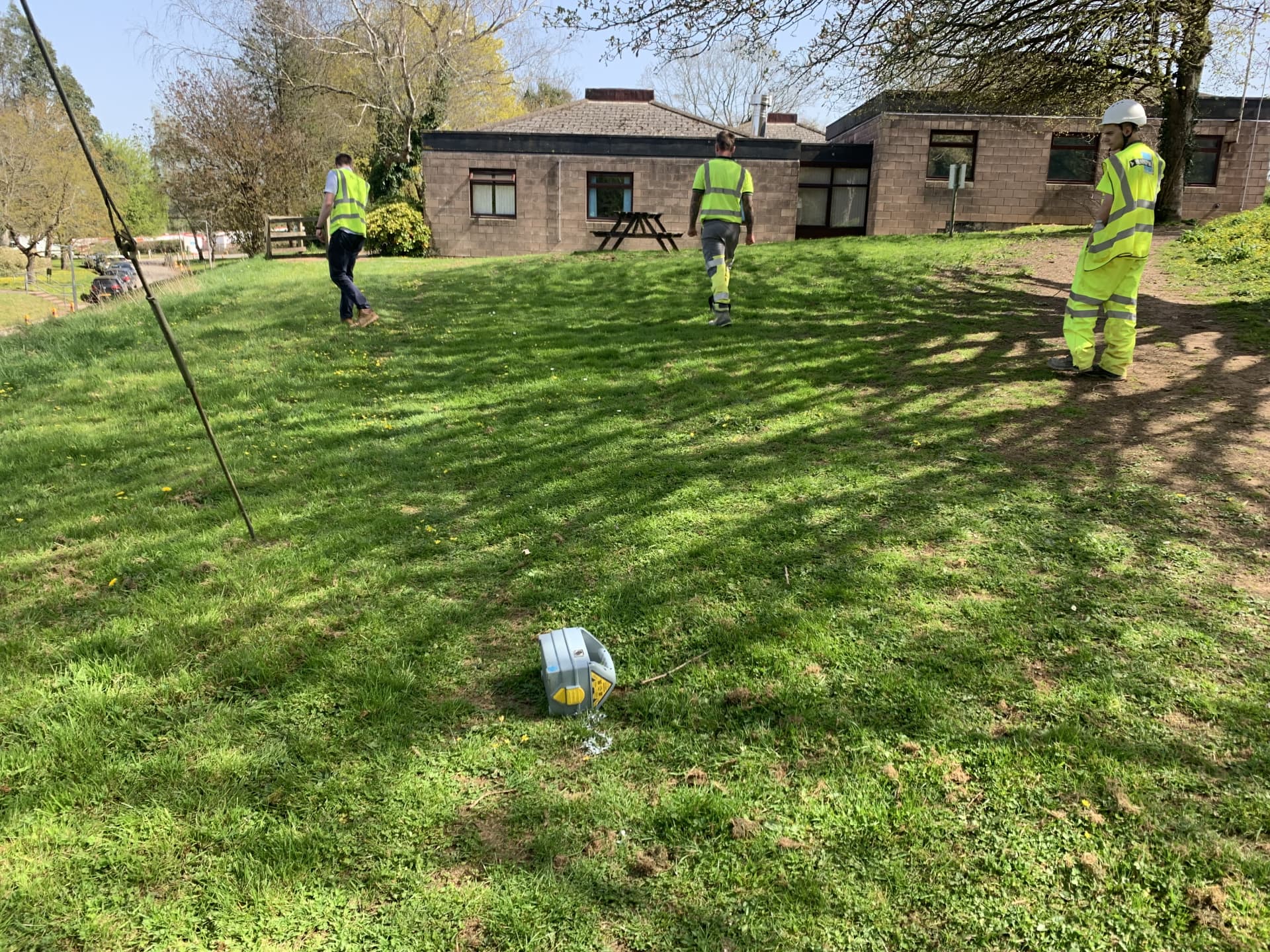
Practical elements include hands-on practice with CAT and Genny equipment, where delegates carry out cable location exercises on a live training rig. Each cable avoidance course includes a short written assessment and practical assessment to ensure competency. Course materials include a handout summarising the topics covered.
Sygma cable avoidance training courses can be conducted on-site at the client's premises or at one of our dedicated training venues, providing flexibility for businesses. We commonly deliver in house cable avoidance training at client sites across the UK mainland, with travel included in every course fee.
Accreditations
Accredited. Specialist. Accountable.
Sygma Solutions holds the following accreditations and affiliations. Each one is earned through assessment, maintained through performance, and subject to external audit.
CITB ATO
CITB Approved Training Organisation. CITB-registered employers may access Employer Network funding.
ProQual
Accredited ProQual Accreditations centre for CAT1, CAT2, and utility mapping qualifications.
EUSR/EUSR
Registered Energy and Utility Skills provider. EUSR CAT1 and CAT2 courses produce EUSR-registered operatives.
TSA
The Survey Association Approved Training Provider for PAS 128 and utility mapping courses.
CICES
Chartered Institution of Civil Engineering Surveyors recognised provider.
How We Train
Four Ways to Train with Sygma
We come to you, or you come to us. Either way, the standard is the same.
At your site
Most courses can be delivered at your yard, offices, or operational site anywhere on the UK mainland. Travel is included.
Wigan training centre
Our primary training centre at Hindley Business Centre in Wigan. Hands-on practical facilities with outdoor practice areas.
Worcester (The Survey School)
Utility mapping courses and advanced qualifications delivered from The Survey School, Waterworks Road, Worcester.
Virtual delivery
Theory and awareness modules delivered via MS Teams. Practical assessment completed on-site.
Who We Train
Sectors We Work With
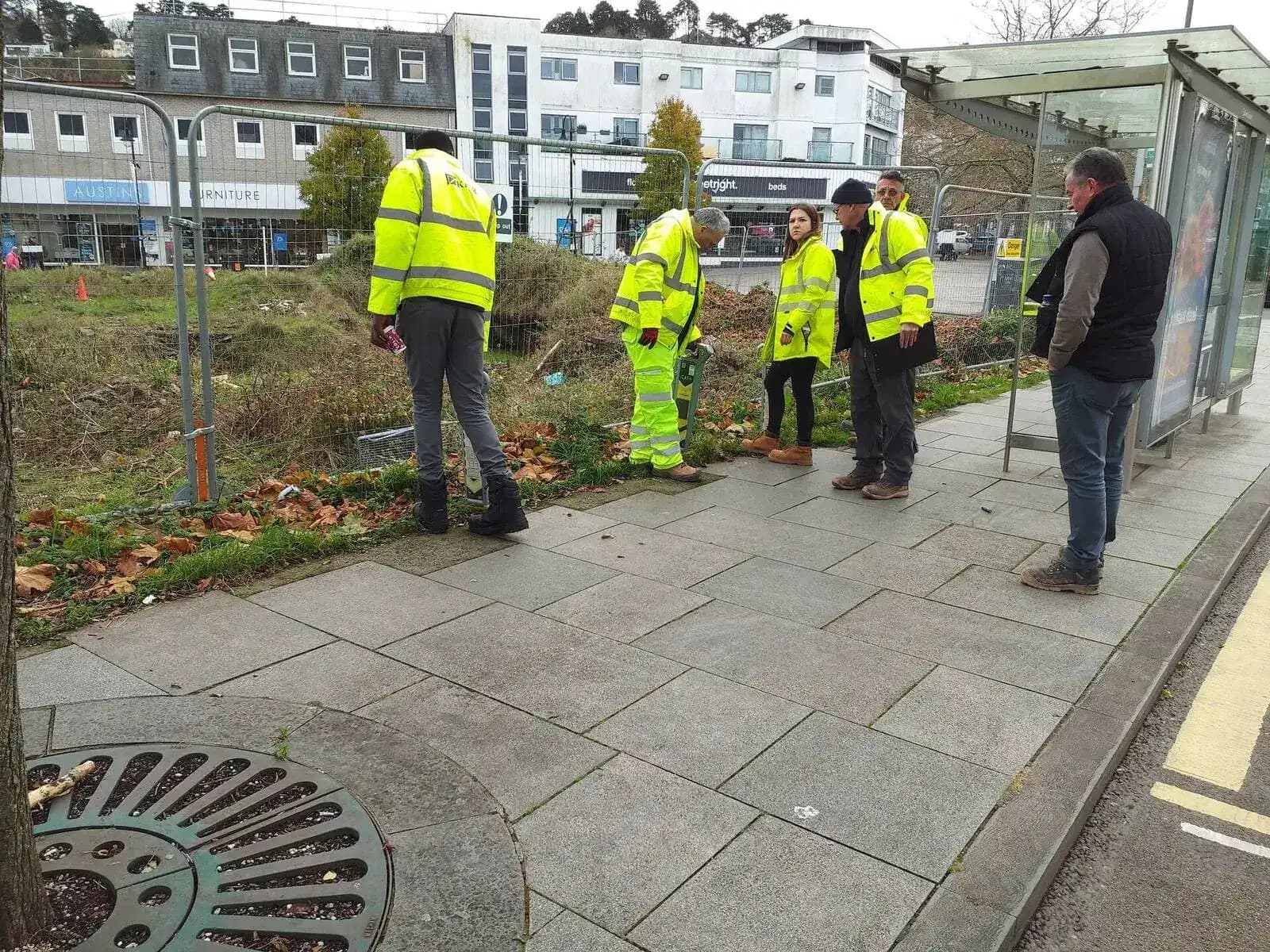
Sygma trains operatives and surveyors across every sector that works with underground utilities. Our clients include Tier 1 contractors, utility network operators, rail infrastructure companies, and specialist survey firms.
We Measure Everything
Every Delegate. Every Course. Externally Verified Feedback.
Every delegate completes a QR-code feedback form at the end of every cable avoidance training course. Every response is captured, analysed, and reported back to the client. We do not guess how well the cable avoidance course went. We measure it. If there is a problem with how course content was delivered, or if workers need additional support with specific cable avoidance techniques, we know about it the same day.
100%
of courses produce a delegate feedback report
Same Day
feedback reports delivered to clients
QR Code
digital feedback system on every course
Ready to Reduce Cable Strikes on Your Sites?
Explore our cable avoidance training courses or speak with a specialist about a bespoke programme for your organisation.
Sygma's Field Knowledge
From the Knowledge Hub
A sample of the technical guidance Sygma trainers publish for the industry.
Free Monthly Open Day: Wigan HQ
Once a month, Sygma opens its Wigan training centre for a free face-to-face mentoring session. Bring your equipment. Bring your site data. Bring the questions your team cannot answer.