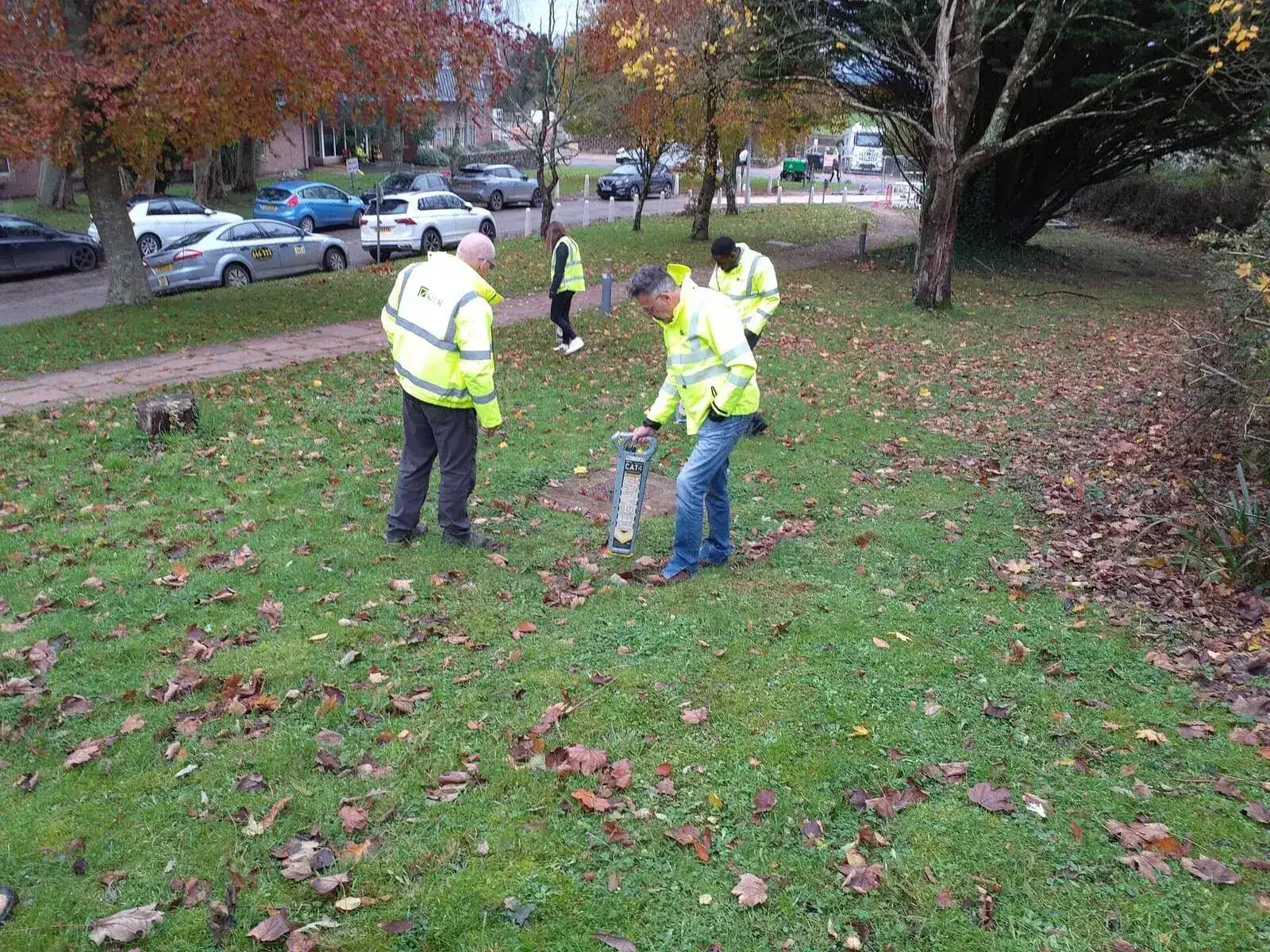
HSG47, published by the Health and Safety Executive, is the principal guidance document for avoiding danger from underground services during ground works. Its full title is "Avoiding danger from underground services" and it applies to anyone who plans, manages, or carries out work that involves breaking ground. If your organisation excavates, you need to know what HSG47 says and what it expects of you.
Looking to book a course?
This article explains the guidance. If you need to book assessed HSG47 training courses -- EUSR CAT1, ProQual CAT1, or Cable Avoidance -- visit the course page.
What HSG47 Is (and What It Is Not)
HSG47 is not legislation. It is guidance published by the HSE to support compliance with the Health and Safety at Work Act 1974 and the Construction (Design and Management) Regulations 2015. Following HSG47 is not a legal requirement in the strictest sense, but it describes what the HSE considers to be good practice. If a utility strike occurs and the HSE investigates, one of the first things they will assess is whether the organisation followed the principles set out in HSG47. Not following it does not automatically mean a prosecution, but it significantly weakens any defence.
Who HSG47 Applies To
HSG47 applies to everyone in the chain of responsibility for ground works. This includes clients who commission work, designers who specify where work will take place, principal contractors who plan and manage the work, and the operatives who carry it out. It is not just a document for the person holding the excavator controls or the CAT. It applies equally to the supervisor who plans the work, the project manager who allocates resources, and the client who defines the scope.
The Key Requirements
HSG47 sets out a clear sequence of steps that should be followed before, during, and after excavation. While the full document is detailed, the core requirements can be summarised in four areas.
Planning the Work
Before any ground is broken, the organisation responsible must obtain up-to-date plans from all relevant asset owners. This means contacting the owners of electricity, gas, water, telecoms, and any other services that may be present in the area. HSG47 is clear that relying on a single source of plans, or using out-of-date records, is not acceptable. Plans must be current, and the information from all asset owners must be collated into a single picture of what is expected to be below the surface.
Locating Services
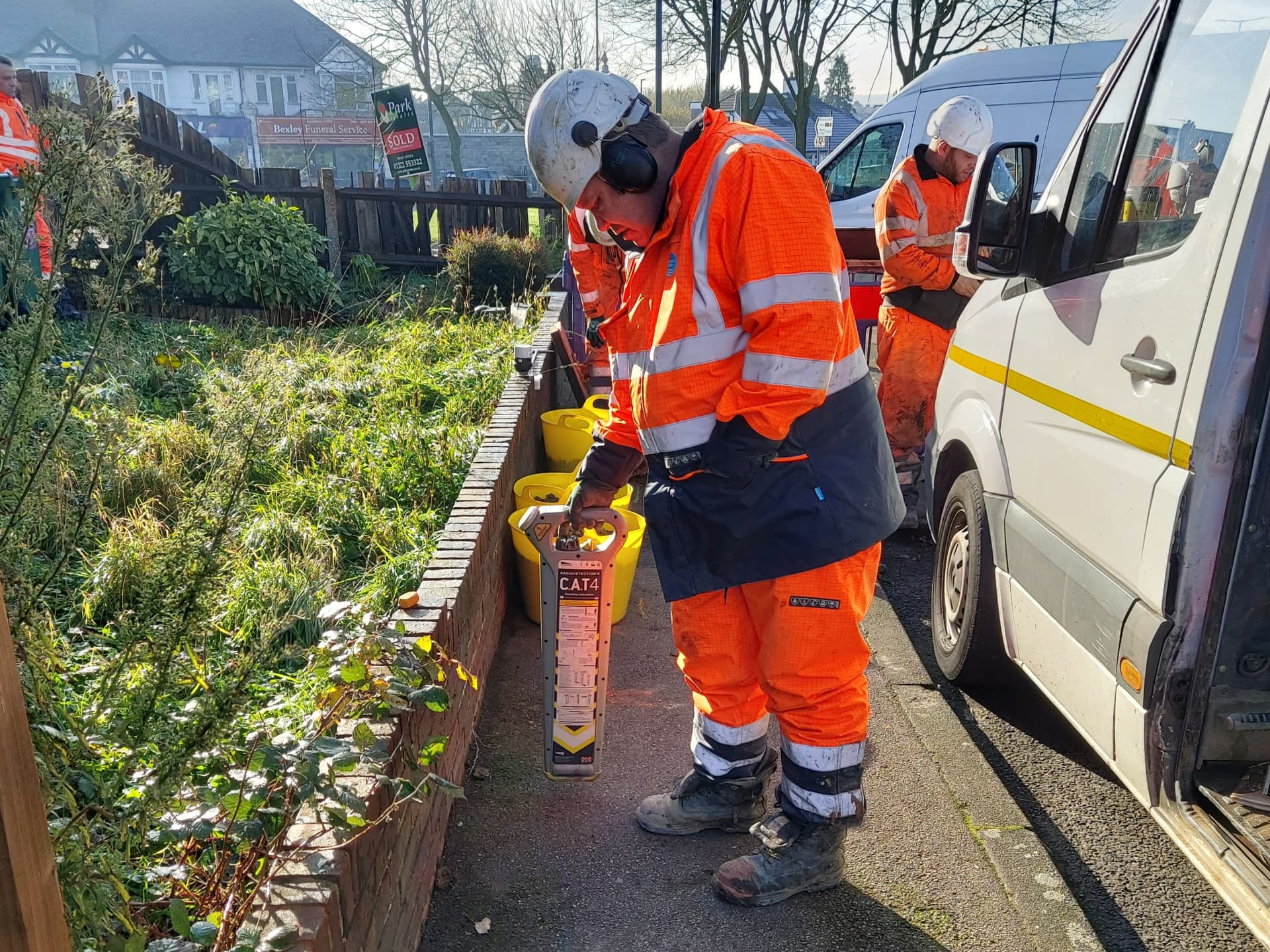
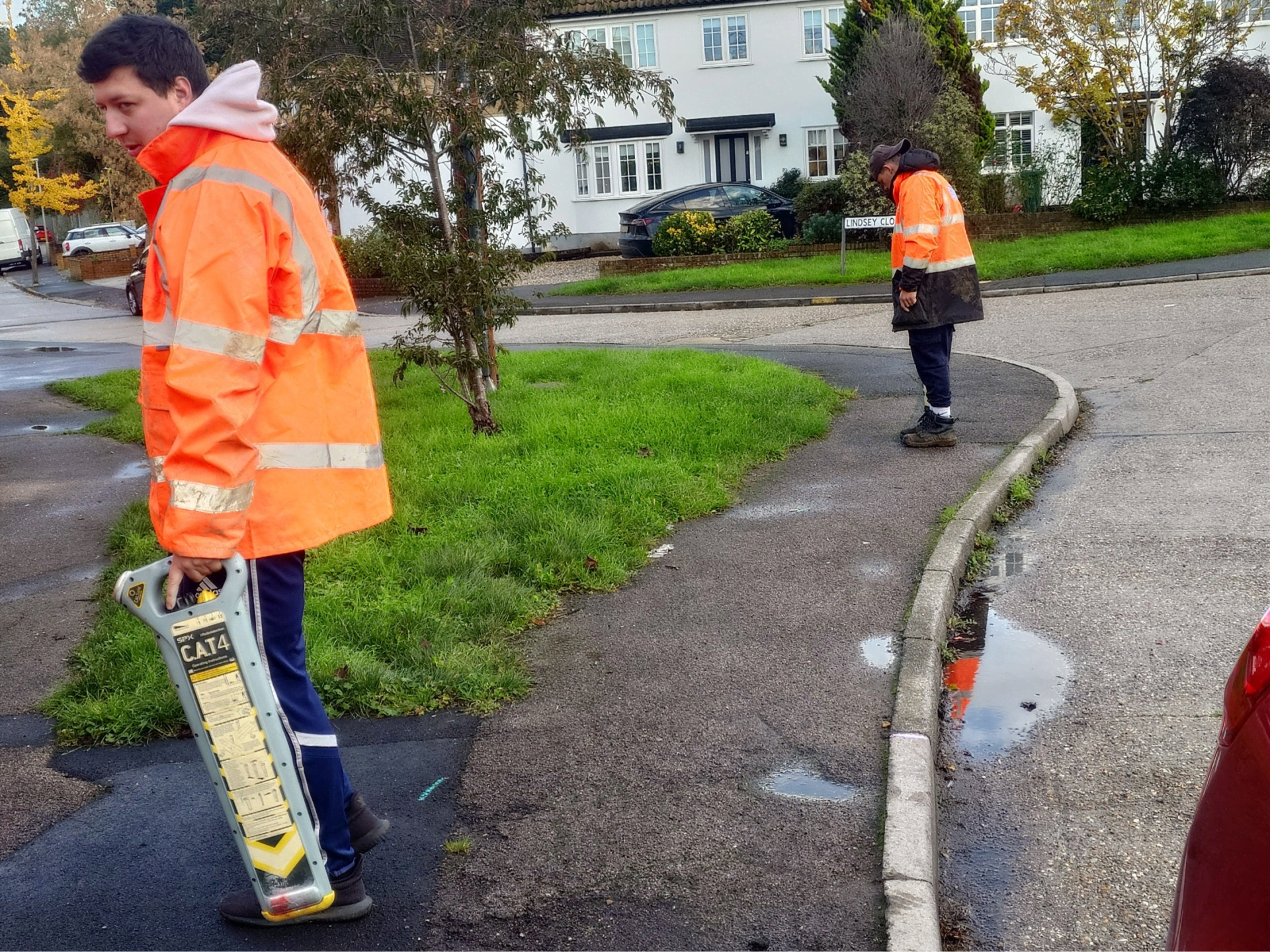
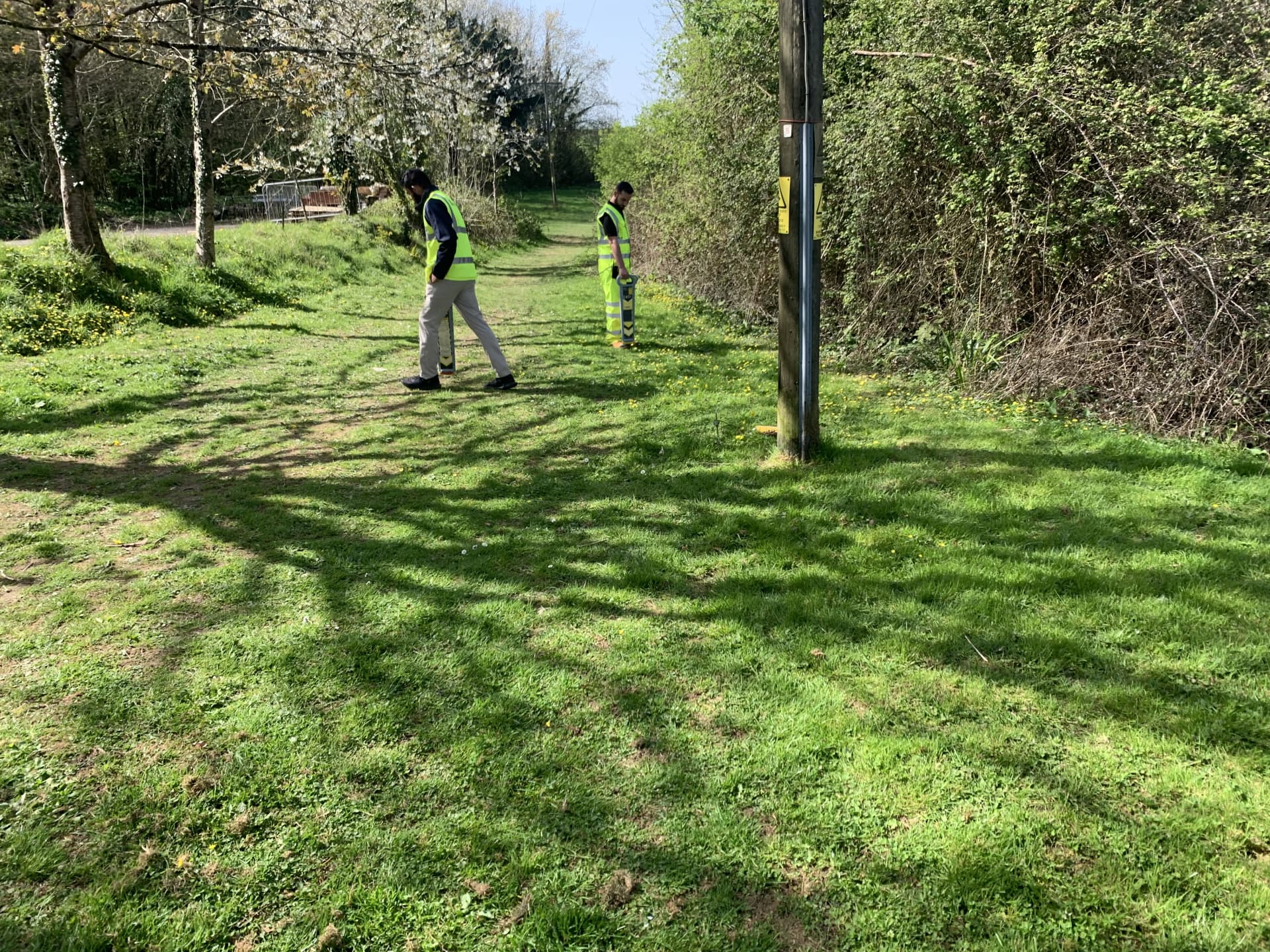
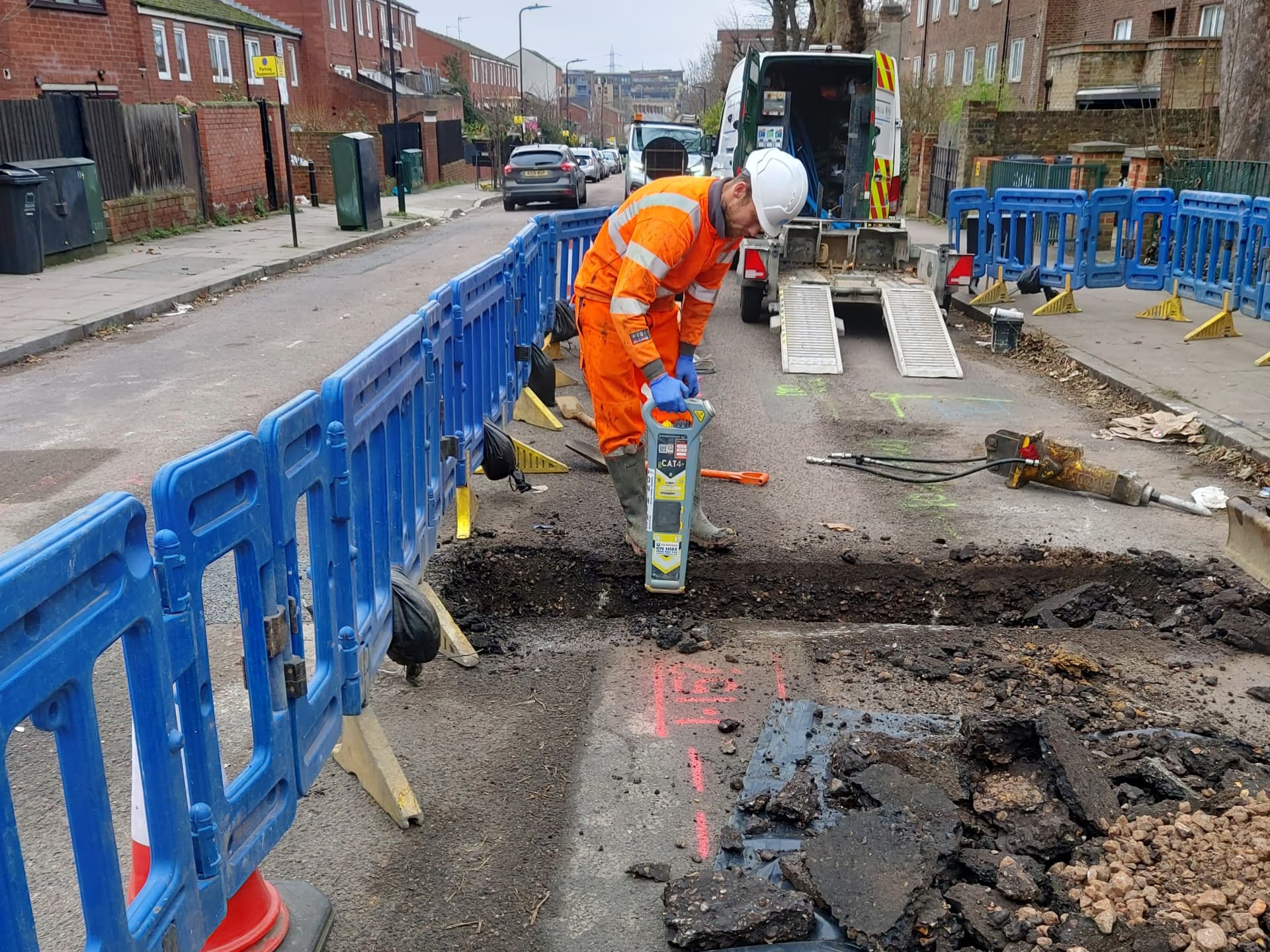
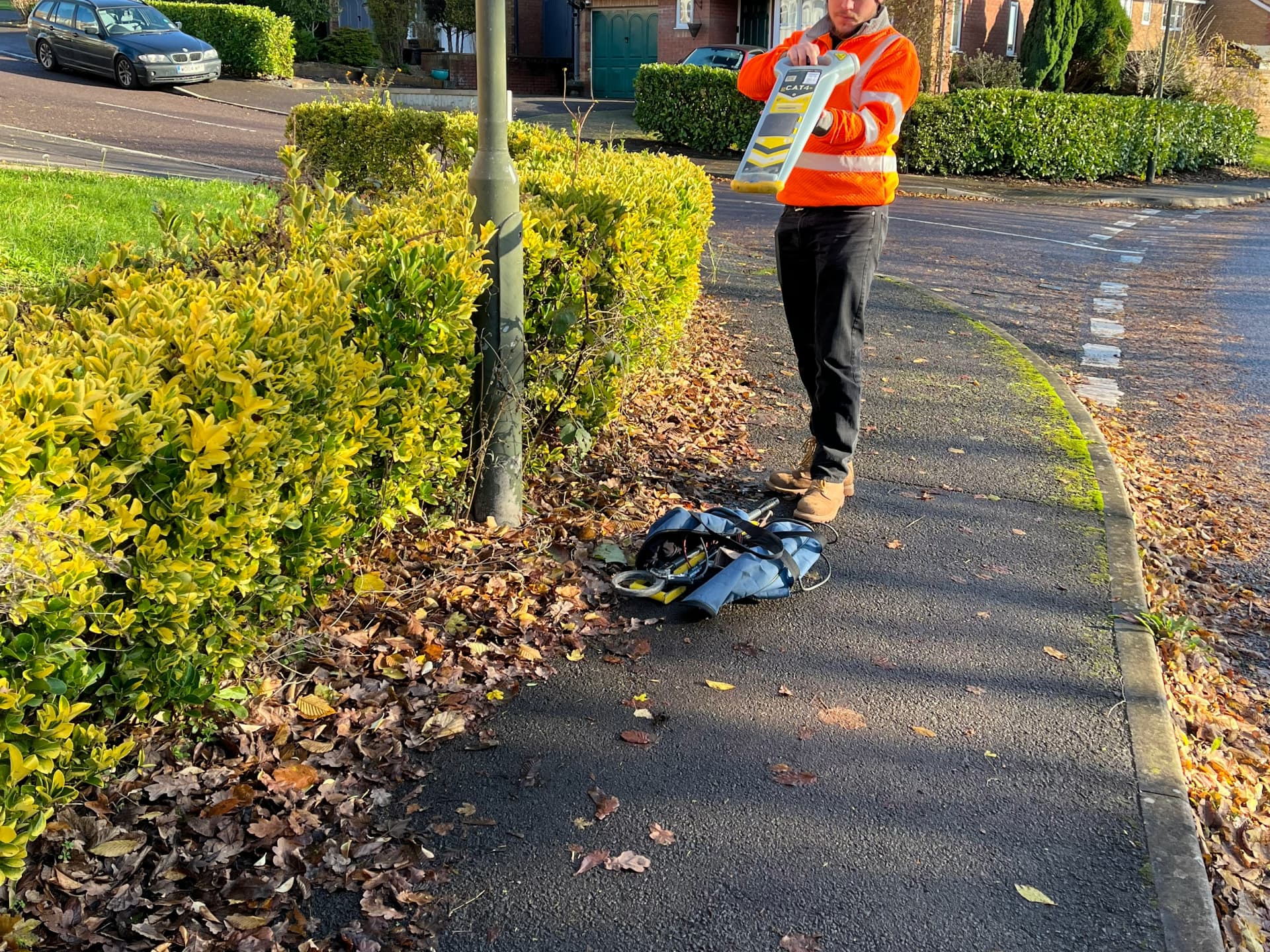
HSG47 states that plans alone are not sufficient and that cable locating equipment should be used to trace the routes of buried services on site. The guidance specifically references the use of a CAT and Genny, and it recommends using both passive and active (Genny) detection methods. This is an important point: HSG47 does not say that passive detection alone is adequate. It expects the Genny to be used as part of the survey process.
Safe Digging Practices
Once services have been located and marked, HSG47 sets out how excavation should be carried out safely. This includes hand digging within defined proximity zones, the correct use of mechanical plant, and the precautions to take when working near different types of service. The guidance distinguishes between electricity cables, gas mains, water pipes, and telecoms infrastructure, each of which presents different risks and requires different precautions.
Competence
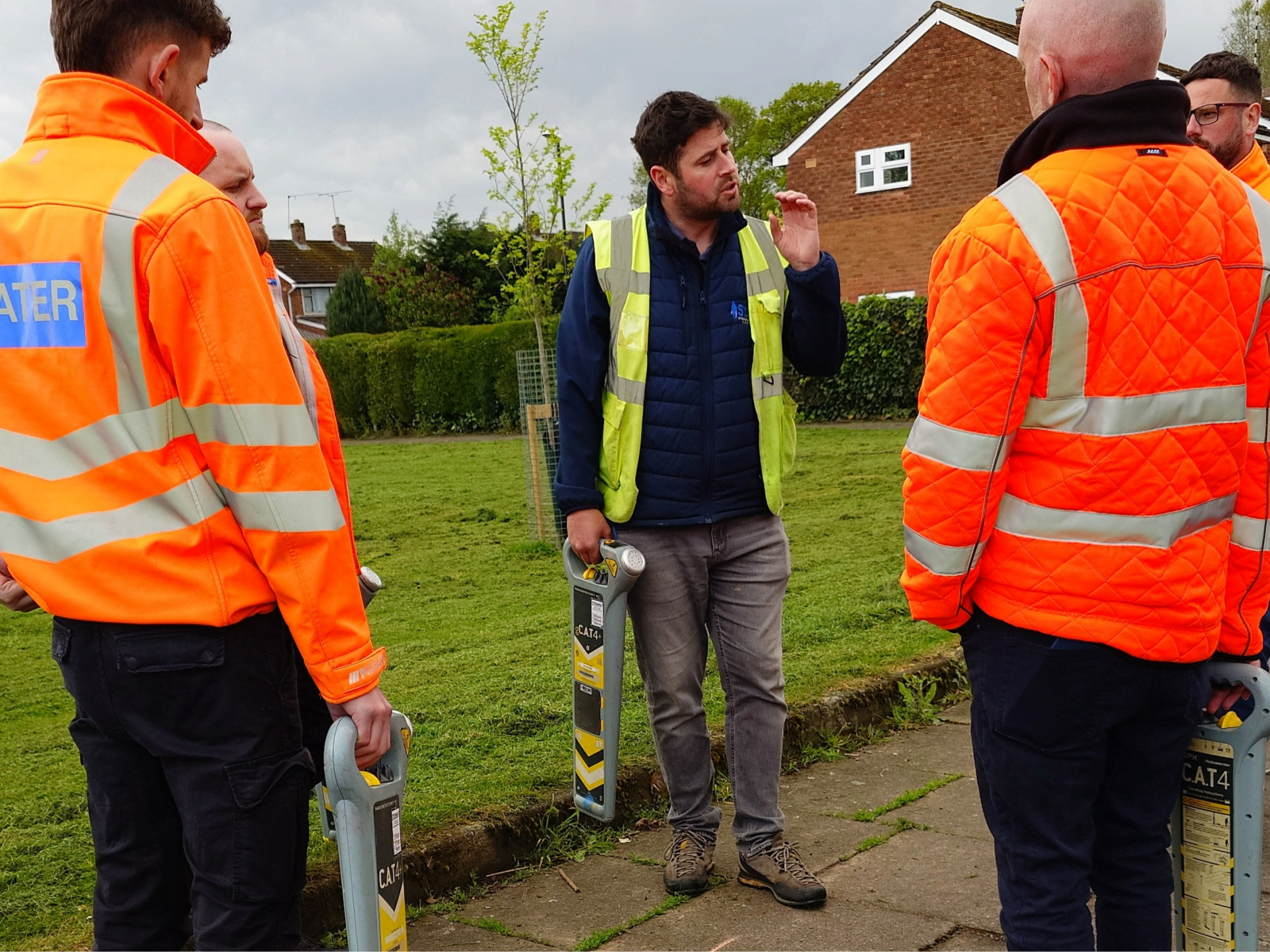
HSG47 requires that anyone who uses cable locating equipment is competent to do so. Competence means having the knowledge, skills, and experience to use the equipment correctly, interpret the results accurately, and make safe decisions based on what the equipment is telling them. The guidance does not specify a particular qualification, but it makes clear that training is expected and that competence must be maintained.
HSG47 is not a box to tick. It is the baseline standard for safe excavation in the UK, and it expects the people doing the work to be trained and assessed as competent. If you need the assessed courses rather than the guidance, see HSG47 training courses.
Related Reading
- 4 Behaviours That Can Cause Cable Strikes on Site
- Utility Strike Prevention: A Guide for Site Managers
- Severn Trent Water Case Study
- The Genny-First Methodology
- Permit to Dig, Trial Holes and Exclusion Zones: An Excavation From Plan to Safe Dig
- Understanding PAS 128: A Guide for Contractors and Clients
- Detecting Plastic Gas Service Pipes: Methods and Their Limits
- The AML Pro by SSI Locators: A Physics-Led Investigation