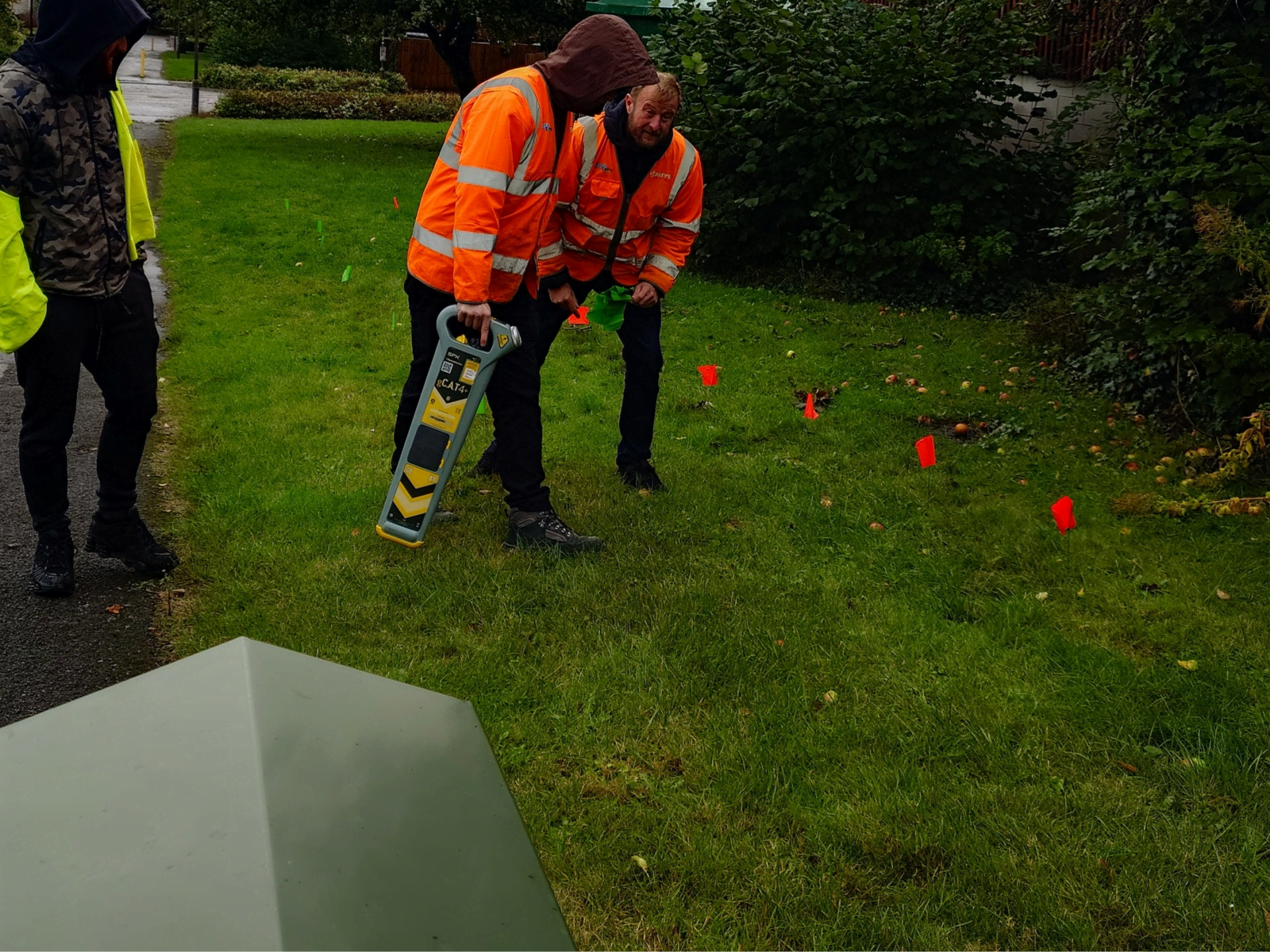
Underground cable strikes cause significant damage to construction sites across the UK every year. Emergency repairs, project delays, HSE enforcement actions, and the very real risk of serious injury to workers on site — the consequences are well documented. What is less often discussed is what actually causes cable strikes in the first place.
The answer, in almost every case, sits in the pre-excavation survey. The mistakes that can cause a cable strike are almost always made before anyone picks up a tool to dig. Workers face the risk of serious injury or fatality when they hit a live gas main, water main, or electrical cable beneath the ground. Utility companies bear the cost of emergency callouts and repairs. Contractors face prosecution, and the public can be affected by flooding, loss of supply, and dangerous conditions on and around the site.
After delivering thousands of cable avoidance courses and carrying out on-site competency assessments across construction projects of every type, Sygma's trainers see the same four failure patterns repeated across every sector, every contractor, and every region. These are the behaviours that can cause cable strikes, and each one is preventable with the right training and processes.
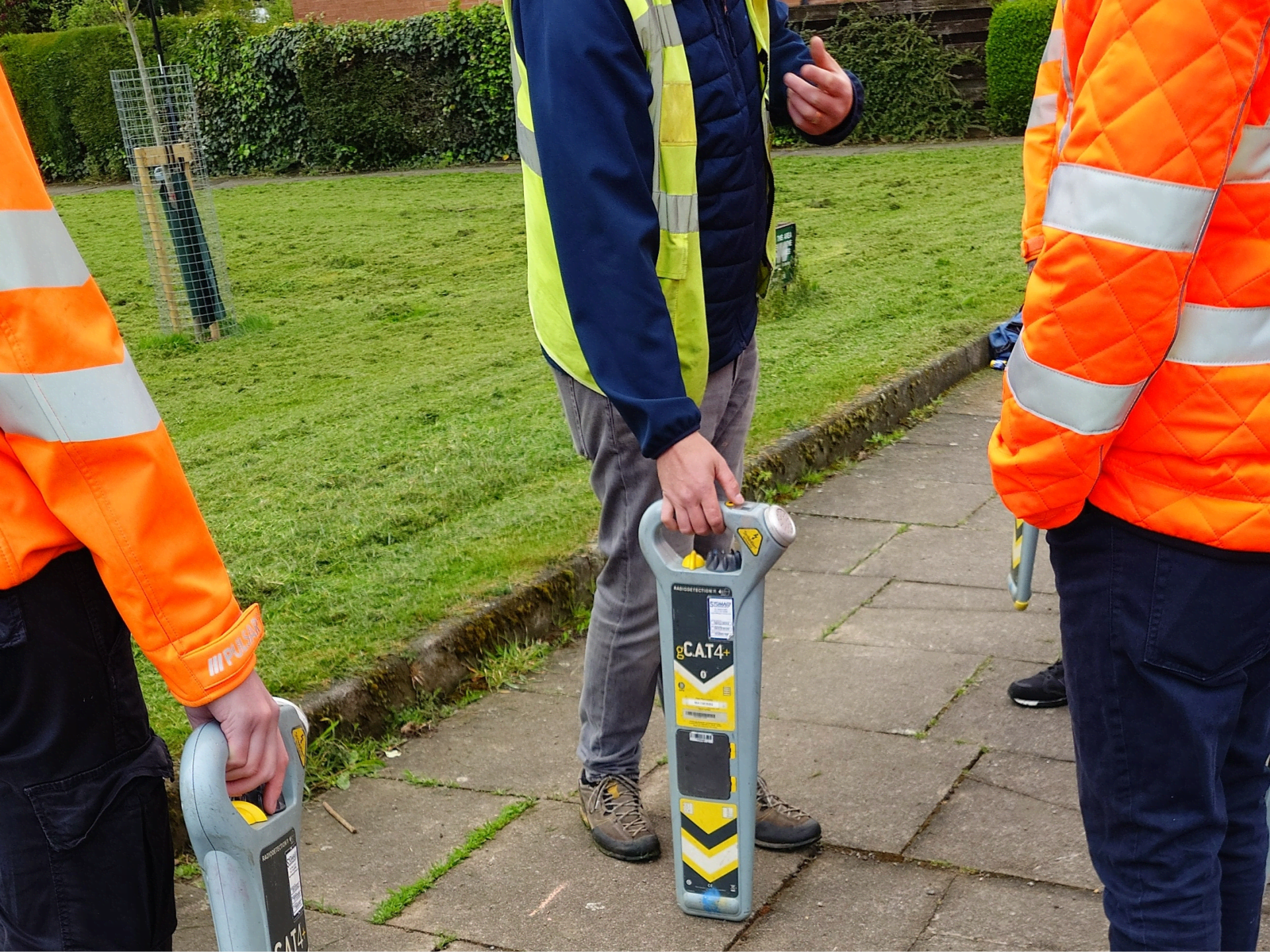
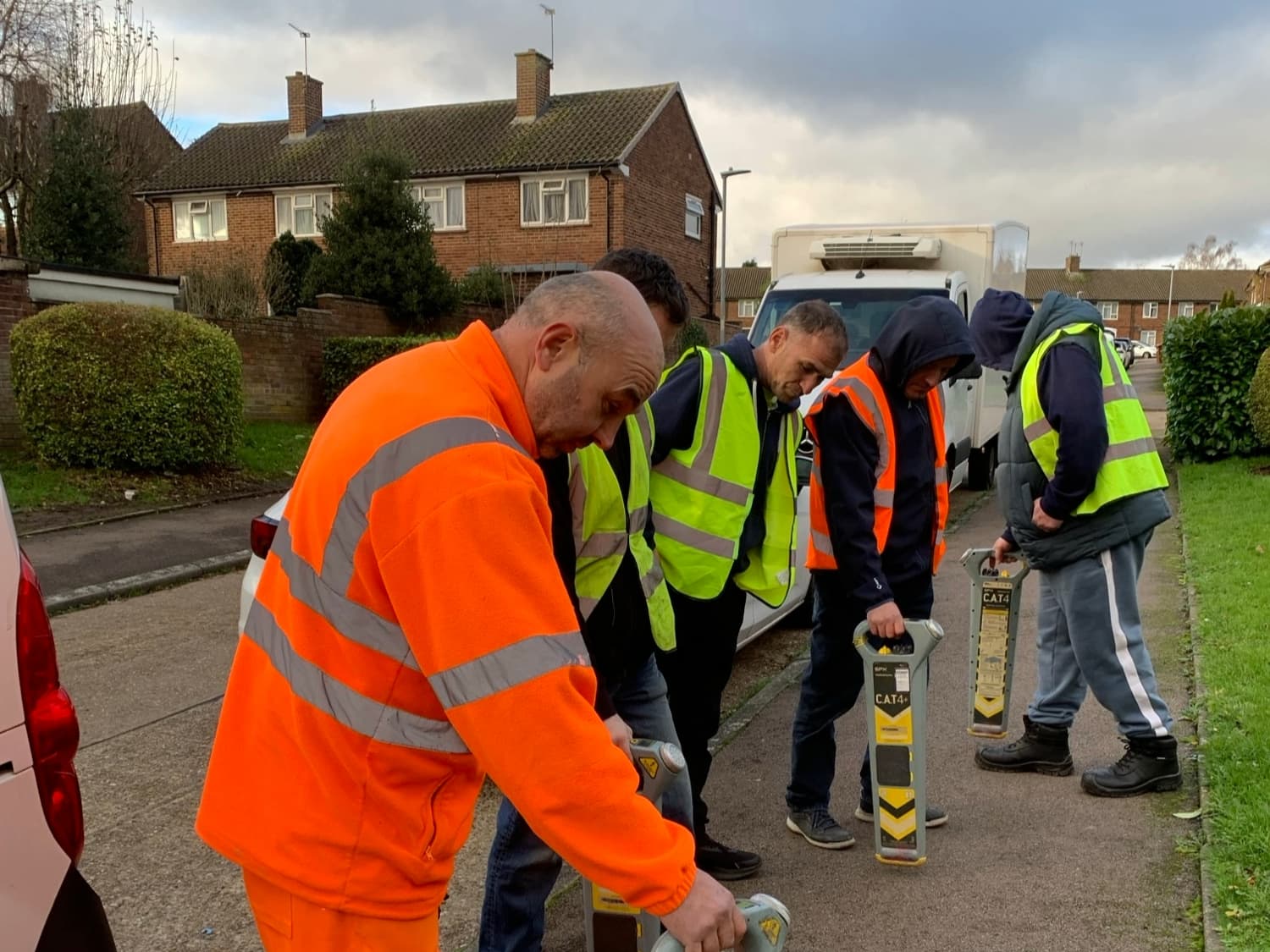

The 4 Behaviours That Can Cause Cable Strikes
1. Passive-Only Surveying
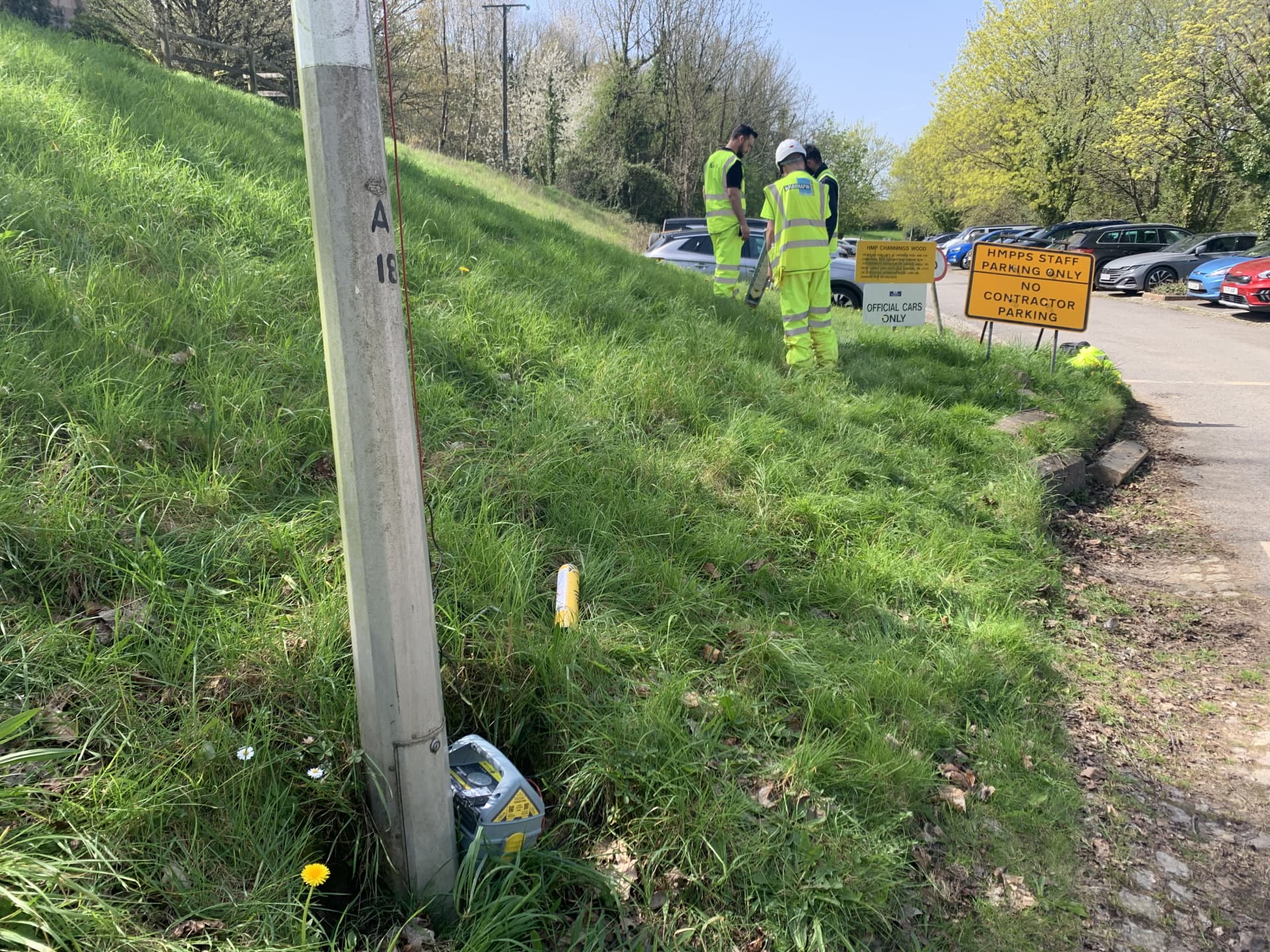
The single most common behaviour that can cause a cable strike is an operative who scans in Power mode and Radio mode, decides the area is clear, and begins excavation work without ever connecting a Genny. Passive detection picks up signals that are already present on buried utilities, but not all underground utilities carry detectable passive signals.
A metal gas main or water pipe, or a telecoms cable, will often produce no response in passive modes at all. Without applying a known signal using a Genny, these services stay hidden beneath the ground. And if the pipe or duct is plastic, even the Genny cannot find it: plastic carries no signal, so a quiet locator over it proves nothing. This is not a theoretical risk. It is the cause of a significant proportion of all cable strikes in the UK, and a single strike on a high-pressure gas main can be dangerous for every worker on site.
2. Inadequate Genny Application
Some operatives do connect the Genny, but only use Induction mode because it is the quickest and easiest method. Induction applies a signal to the general area rather than to a specific utility location. The signal can couple onto adjacent utilities, producing misleading readings and giving a false sense of security.
Direct Connection, Clamp, and Capacitance are all more targeted methods that produce significantly more reliable results, but they require more knowledge and take more time. On busy construction sites where contractors are under pressure to start work quickly, shortcuts with the Genny are common. If an operative has only been trained to use Induction, they are missing the methods that matter most.
3. Misreading or Ignoring Signals
A locator produces numerical readings, graphical displays, and audio tones. Interpreting these correctly requires an understanding of signal behaviour, depth estimation limitations, and the difference between a peak and a null response.
When workers are not trained to interpret what the locator is telling them, they either miss underground utilities entirely or mark them in the wrong location. A service that is 30 centimetres from where it was marked on the ground surface is a cable strike waiting to happen. On congested sites where multiple pipes and cables run close together, the risk of misinterpretation increases and the potential for damage is significant.
4. Not Consulting Plans and Documentation
Utility plans are not perfect. They are often out of date, lack positional accuracy, and may not show every service present. But this documentation remains a critical starting point for any excavation work. Utility companies provide plan information through services like LinesearchBeforeUDig, and consulting these records before you start digging is a key safety requirement.
An operative who does not consult asset owner plans before scanning is working blind on site. They do not know what lies beneath the ground, cannot cross-reference their locator readings against known infrastructure, and cannot identify utilities that should be present but are not producing a response. Plans and documentation alone do not prevent cable strikes, but skipping them removes an important safety layer and makes it harder to report what was found during the survey.
What Training Does to Address These Behaviours
The purpose of cable avoidance training is not just to show someone how to turn on a locator. It is to build the safety and decision-making framework that prevents each of these four behaviours from occurring on site.
A well-structured course should cover all four locating modes (Power, Radio, Genny, and Avoidance), all Genny signal application methods (Direct Connection, Clamp, Plug-in Adapter, Capacitance and Induction) and nulling out, signal interpretation and depth estimation, and the role of plans and documentation in the survey process. This is the type of training that significantly reduces the risk of cable strikes on construction projects.
This is why Sygma's approach centres on the Genny-First methodology. Rather than treating the Genny as an optional extra that gets used if there is time, our training positions it as the default starting point. Operatives learn to apply a known signal first, locate it, and then use passive modes to identify additional utilities. This reversal of the typical workflow catches the services that passive-only surveying misses.
The data from organisations that have adopted this approach is consistent: Genny usage rates increase by 70 to 80% after training, and the number of utilities identified before excavation work begins rises correspondingly. For contractors and businesses looking to reduce their cable strike rate, this is where the conversation about safety needs to start.


Not All Training Delivers the Same Standard
A half-day refresher that covers the basics of Power and Radio mode, with a brief demonstration of the Genny, does not address the four behaviours described above. Reducing cable strikes on construction projects requires hands-on practice with all four modes, all Genny application methods, realistic signal interpretation exercises, and an assessment that tests whether the operative can apply what they have learned.
If you are responsible for contractors and workers who carry out pre-excavation surveys, the question to ask your training provider is not whether they cover the CAT and Genny. It is whether they cover all four modes, all Genny application methods, and whether they assess competence across each one. That is the difference between a course that ticks a box and one that genuinely reduces the risk of a cable strike on your projects.
The Real Cost of Cable Strikes
The costs associated with cable strikes go well beyond the immediate repair bill. When a contractor hits a gas main or water main, the fallout can affect the entire construction project and the surrounding community. Utility companies typically charge the responsible party for emergency response, repair work, and loss of supply. These costs can run from thousands to hundreds of thousands of pounds for a single strike on a major piece of infrastructure.
Project delays are another significant cost. Work on site stops while the damaged utilities are repaired, and in many cases the construction team cannot continue until the utility companies confirm the area is safe. For businesses and clients relying on project completion dates, this disruption has a direct financial impact. Insurance claims add further expense and can affect future premiums for contractors involved.
The public impact should not be overlooked either. A strike on a water main can cause flooding that affects residents and local businesses. A hit on a gas pipe creates a dangerous situation that may require evacuation. Damage to telecoms or electrical utilities can leave homes and businesses without essential services. Each of these incidents damages trust between contractors, utility companies, and the communities where construction work takes place.
Best Practice Before You Start Digging
Preventing cable strikes starts with the steps you take before any excavation work begins. The first and most important action is to request plans from utility companies through LinesearchBeforeUDig (LSBUD). This free service alerts utility network operators to your project location and provides documentation showing the approximate position of their underground utilities in the area.
Once you have the plan information, a trained operative should carry out a full site survey using Cable Avoidance Tools (CAT) and a signal generator (Genny). On sites where the ground conditions are difficult or where there is limited information about what lies beneath the surface, Ground Penetrating Radar (GPR) can provide additional data to locate buried utilities safely.
Visual markings should be placed on the ground to clearly indicate the location of all detected services. Industry standard colour codes help workers on site understand what type of utility lies beneath each mark. This communication between the survey team and the dig team is a key part of cable strike prevention on busy construction sites.
Finally, hand-digging within tolerance zones is essential. HSG47 guidance requires that excavation within 0.5 metres of a marked utility is carried out using hand tools only. Mechanical excavation in this area is one of the most common causes of damage to underground utilities and a risk that good survey data alone cannot prevent. Collaboration between the project team, utility companies, and site management is what turns good survey data into safe excavation work in practice.
Reporting and Learning From Cable Strikes
Even with the best safety processes in place, cable strikes do still occur. When they do, the way a business responds matters. Every strike should be recorded and reported, both internally and to the relevant utility companies. This documentation helps identify patterns, highlights where training or processes need to improve, and provides the information needed for insurance and compliance purposes.
Organisations that specialise in reducing cable strike rates use this report data to target their training at the specific behaviours and site conditions that are causing the most damage. For contractors managing multiple projects, building a culture of open reporting and continuous improvement is the most effective long-term approach to keeping workers safe and protecting the underground utilities that lie beneath every construction site.