Duration
One day
08:30 – ~15:00
Group size
Max 8
Per trainer, per day
Delivery
On-site UK-wide
or our Wigan centre
Assessment
80% pass
Written + practical
Accredited & approved by


Certification
Accredited to ProQual Level 2
This course is accredited to one certificate. There is no alternative badge for it.
These are certificate fees, not the course price. They are charged per person, on top of the course fee. The course itself is quoted separately, based on your numbers and whether we deliver on-site or you take open-course seats.
Regulated award
ProQual Level 2
+£35per person
ProQual Level 2 Award: a regulated qualification.
21 Years
One Specialism
Underground utility location training is all we do.
70-80%
Increase in Genny Usage
Measured through locator data downloads after Sygma training.
Proven
Strike Reduction Record
Clients report measurable reductions in service strikes.
Dates & availability
Next available course dates
Open course places on our scheduled dates, or we deliver on your site on a date that suits you.
Open course places
From £121per delegate
Certificate fees are charged separately.
Most popular
On-site, at your premises
We come to you, anywhere in the UK, on a date that suits you, using your own equipment, your plans and your site. One fixed price for your group of up to 8, travel included. Contact us for a quote. You are not limited to the dates below.
Tell us your dates →Open public courses
Book individual places
Scheduled open courses for one or two delegates, or when you do not have a suitable site of your own. Priced per delegate. The next available dates are listed below.
See the dates ↓ProQual CAT1 is not run as an open course. We deliver it on your site UK-wide, on a date that suits you, travel included.
Need a date that is not listed, or the whole course on your own site? We deliver UK-wide, travel included: tell us your dates.
Who Is This Course For
Who this course is for
Site Operatives
Anyone who breaks ground or works near underground services.
Groundworkers and Labourers
Digging, excavating or working in the vicinity of buried utilities.
Supervisors and Managers
Responsible for teams who carry out excavation or survey work.
New Entrants to Utilities
Starting a career in utility avoidance, streetworks or civil engineering.
Organisations Requiring ProQual Accreditation
Companies whose competency frameworks mandate ProQual-accredited qualifications rather than EUSR.
Duration
1 Day
Max Delegates
8
Qualification
ProQual CAT1
Pass Standard
Criteria-based competency
Assessment
Theory paper + hands-on practical
About This Course
What Is the ProQual CAT1?
The ProQual CAT1 is a ProQual-accredited cable avoidance qualification and the most rigorous one-day Genny & CAT course available in the UK. Delegates must demonstrate competence against 14 theory criteria and 8 practical criteria before a certificate is issued. It is accredited by ProQual Accreditations and externally audited to ensure assessment standards are maintained. It sits alongside the EUSR CAT1 as an alternative accreditation route on our CAT and Genny training course, for operatives working near buried services.
Unlike pass-or-fail percentage tests, the ProQual CAT1 uses a criteria-based competency assessment. Every single criterion must be met. This makes it the preferred qualification for organisations with the most demanding procurement and H&S frameworks, including those governed by CDM Regulations.
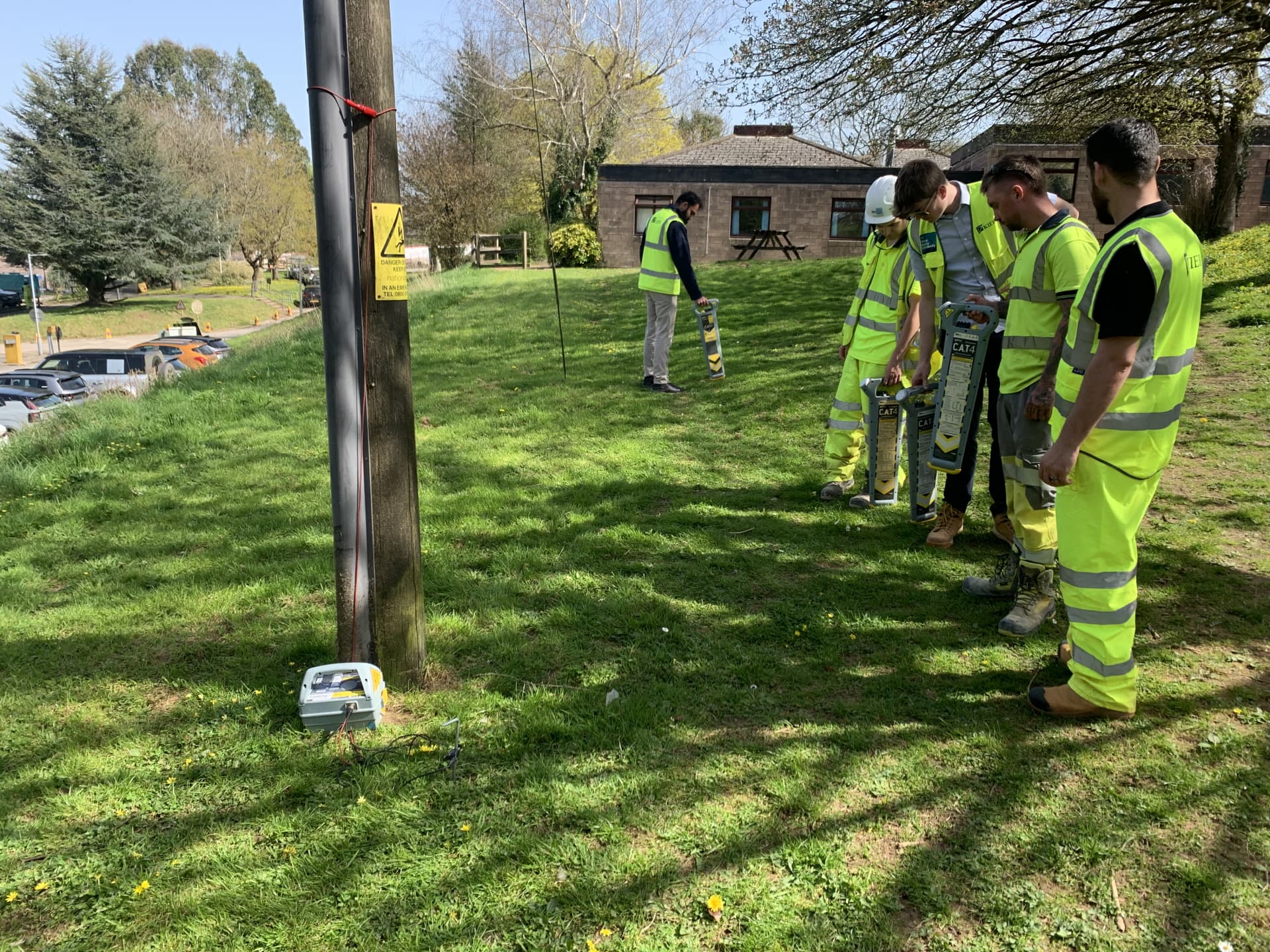
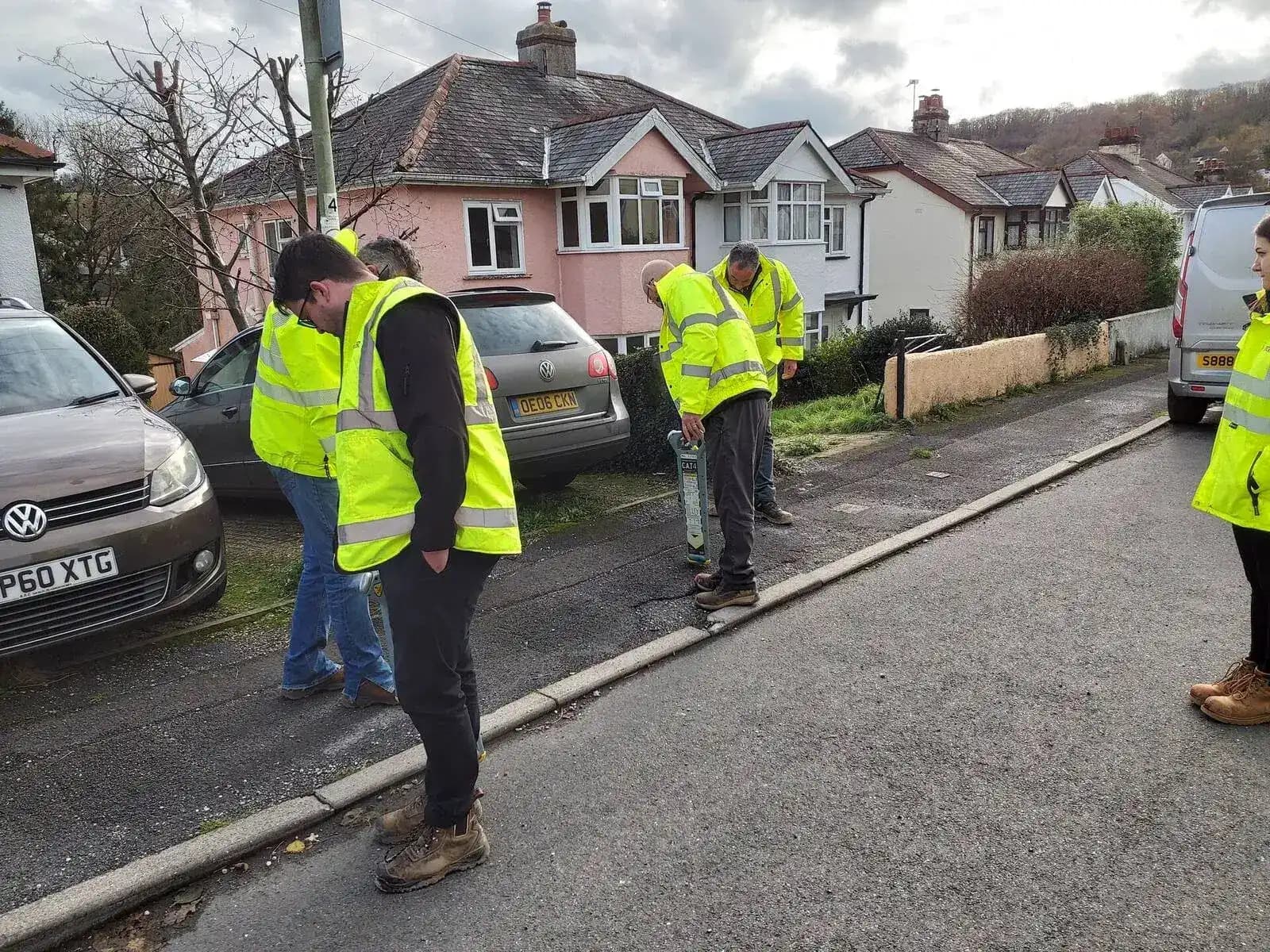
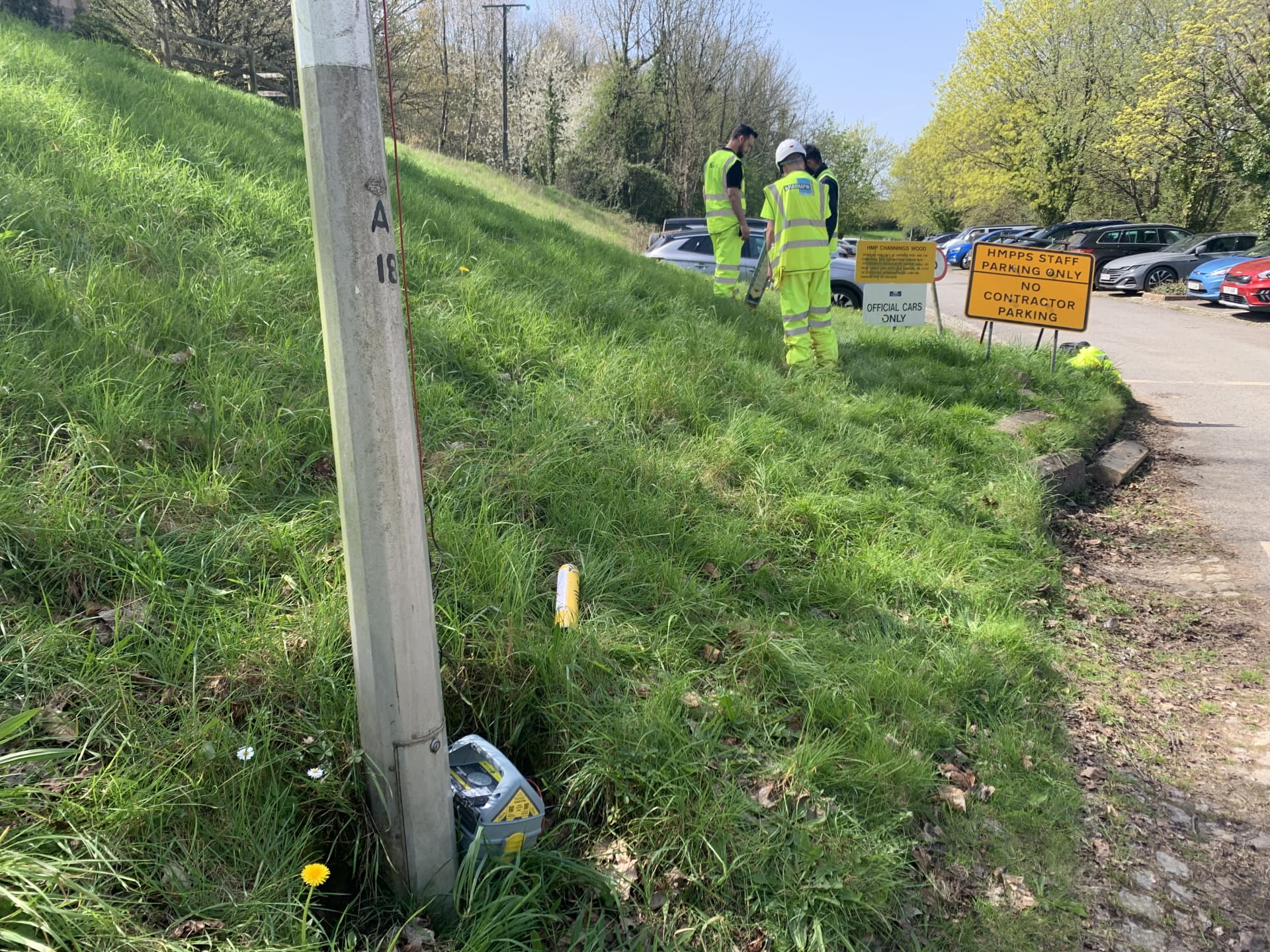
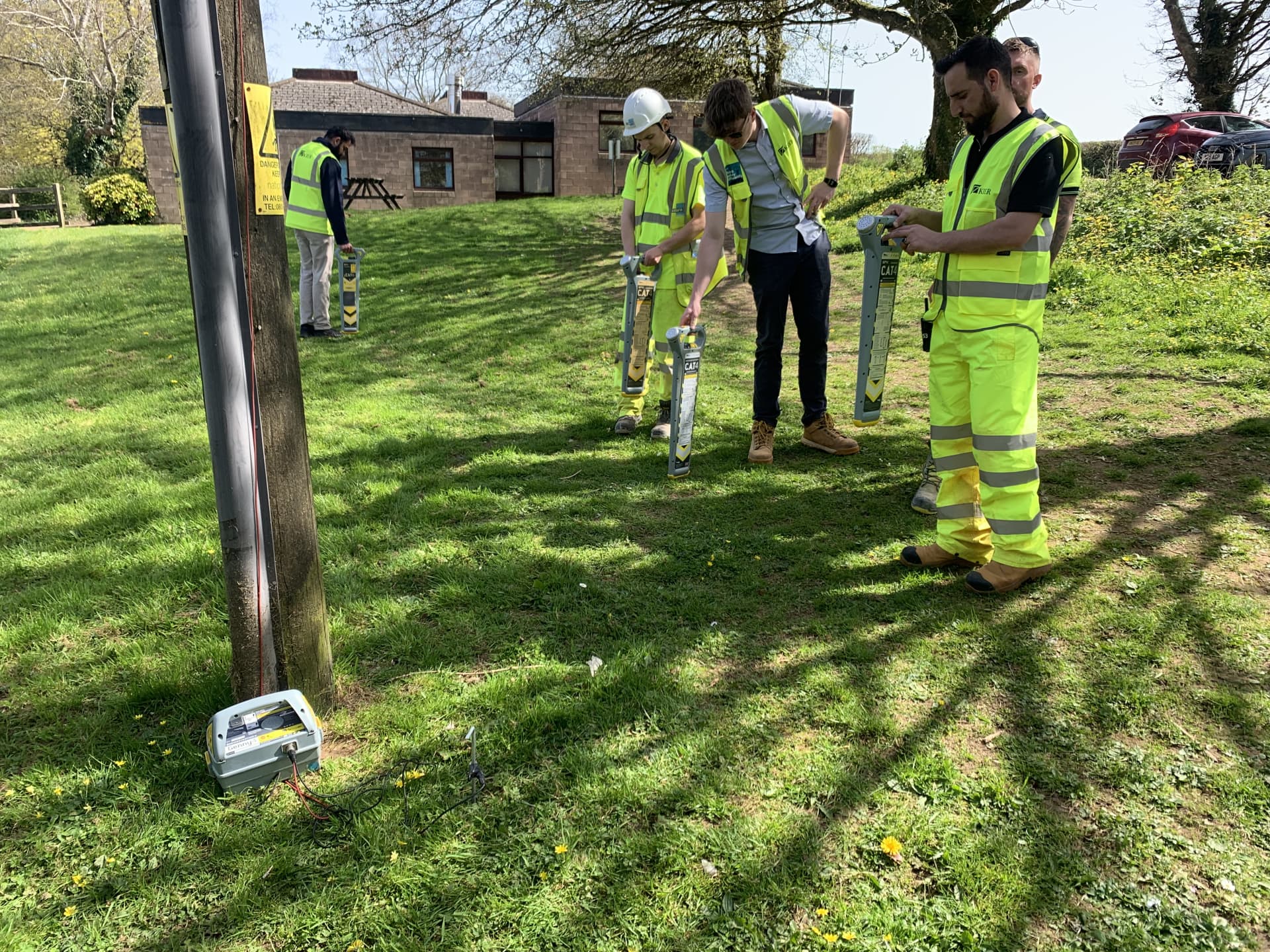
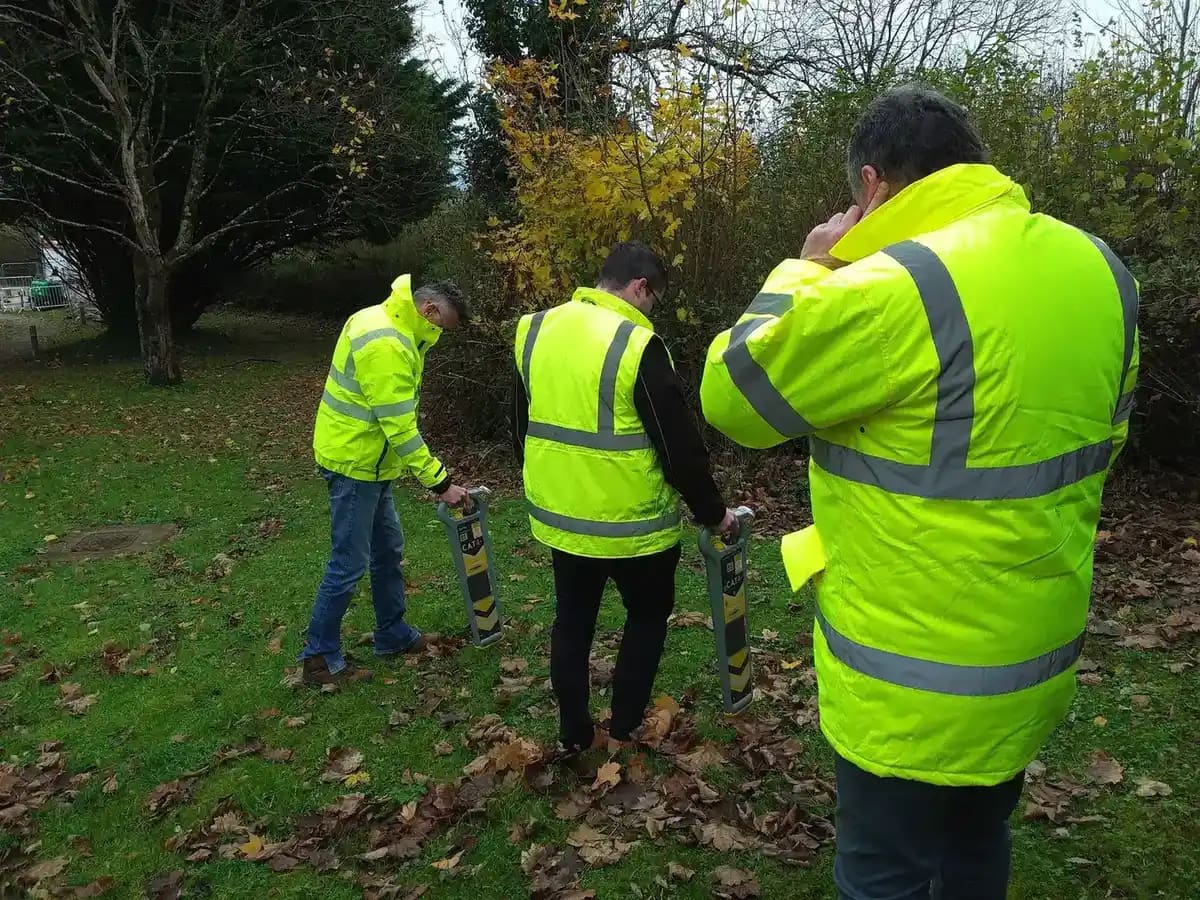
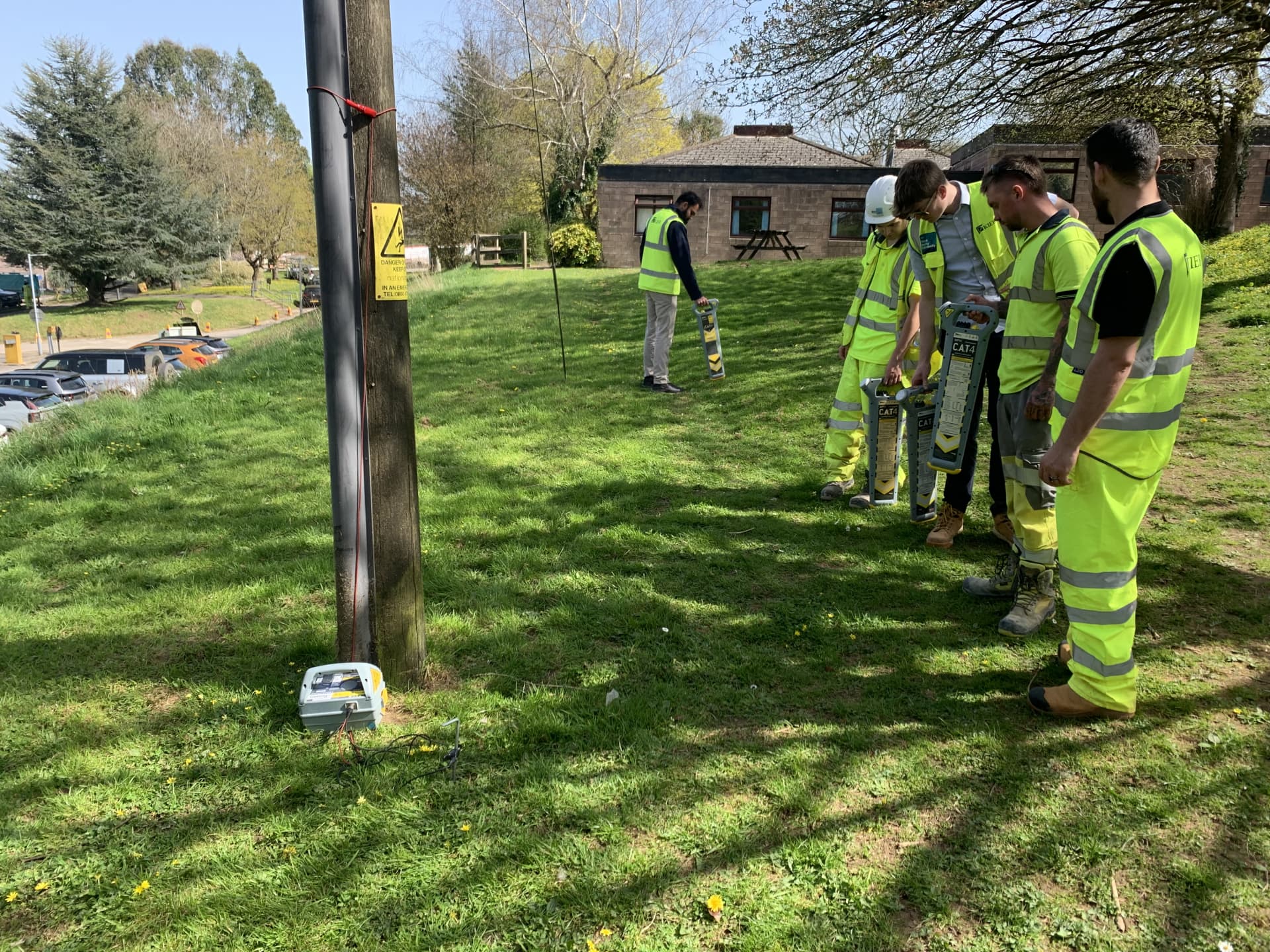
Sygma delivers this qualification at our Wigan HQ or on-site anywhere in the UK. All four locating modes (Power, Radio, Genny, and Avoidance) are demonstrated and assessed hands-on, along with every Genny signal application method: direct connection, clamp, capacitance, induction, and nulling out.
Clients who implement Sygma's ProQual CAT1 training as part of a wider competency programme report measurable reductions in cable strikes and service damage. Our Genny-First methodology, which is central to how we deliver this course, drives a 70 to 80% increase in Genny usage across trained teams. That is a behavioural change that shows up in locator data downloads, not just in assessment results.
The Only Qualification We Do Not Have to Add To
In 21 years of delivering utility avoidance training, Sygma has had to add content to every qualification on the market to make it fit for the real demands of the industry. Every single one. The ProQual CAT1 is the first qualification we have developed in partnership with an awarding body that covers everything needed from a course in this subject. It is the only qualification we deliver where we do not have to supplement the syllabus, because the syllabus was built to the standard the industry actually needs.
Developed by the Industry's Leading Experts
Built by Sygma Solutions and CSTA in Partnership with ProQual
Sygma Solutions, along with CSTA (both recognised as the leading experts in utility location in the UK), specifically developed this qualification in partnership with ProQual. It was not adapted from an existing framework or reverse-engineered from a spec sheet. It was built from the ground up by people who have spent decades locating, training, assessing and investigating service strikes.
That is why the ProQual CAT1 is the only qualification Sygma does not have to add content to. Every other qualification on the market requires additional material to bring it up to the standard the industry actually needs. The ProQual CAT1 was written to that standard from day one.
No other training provider can make this claim. No other qualification has this development pedigree. When you book a ProQual CAT1 with Sygma, you are getting the qualification delivered by the people who built it.
Sygma
Co-developer of the ProQual CAT1 qualification
CSTA
Co-developer of the ProQual CAT1 qualification
ProQual
Independent awarding body and external verification
Core Principle
Verification, Not Assumption
The ProQual CAT1 is built around a single principle: verify, do not assume. Every theory criterion and every practical criterion exists to test whether the delegate can prove what is in the ground before work begins, rather than relying on plans, habit, or guesswork.
This is what separates ProQual from a pass/fail percentage test. A percentage-based assessment allows a delegate to get several answers wrong and still pass. The ProQual model does not. If a delegate cannot demonstrate a criterion, they do not receive a certificate for that criterion. There is no margin for error on the things that matter most.
In practice, this means every delegate who holds a ProQual CAT1 has been individually verified against every area of the qualification. The assessor has observed their theory knowledge and their practical performance, criterion by criterion. That is a level of confidence that a percentage score cannot provide.
Quick Reference
Course at a Glance
| Qualification | ProQual CAT1 (ProQual-accredited cable avoidance qualification) |
| Awarding Body | ProQual |
| Duration | 1 day (08:30 to about 15:00) |
| Location | Wigan HQ / on-site UK-wide |
| Max Delegates | 8 per session |
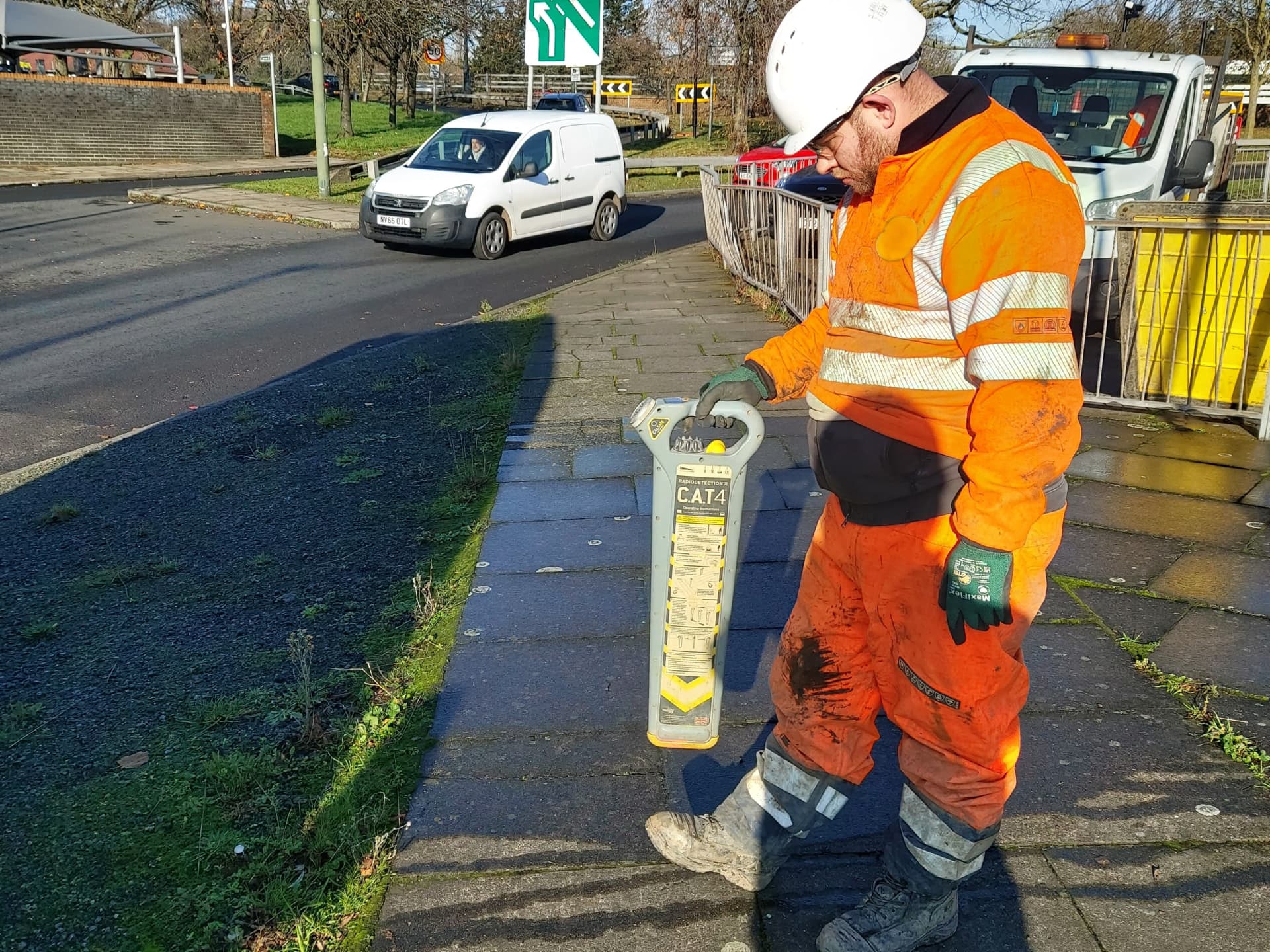
| Equipment | Sygma provides Radiodetection CAT4 and Genny4 as standard for classroom sessions. This course can be delivered on any of the following equipment: Radiodetection CAT4, CAT4+, RD8200, RD8100, Vivax-Metrotech vLoc, or Leica DSX. On-site: client supplies their own locator and signal generator for practical elements |
| Pass Standard | All 14 theory criteria and all 8 practical criteria must be met |
| Assessment Method | Written theory paper (criteria-based) + hands-on practical assessment |
| All Four Modes Assessed | Power, Radio, Genny, and Avoidance modes, plus all Genny signal application methods (direct connection, clamp, capacitance, induction, nulling out) |
| Regulation Coverage | HSG47, GS6, CDM Regulations, BS EN 50110 |
| Certificate Issued | ProQual CAT1 certificate, valid 3 years |
| CITB Funding | Via CITB Employer Network |
Assessment Framework
Theory Criteria (T1-T14)
Every delegate must demonstrate knowledge of all 14 theory criteria. There is no percentage pass mark: each criterion must be met individually.
| Ref | Criterion |
|---|---|
| T1 | Your responsibilities regarding health, safety and the environment at work, while locating underground services (including HASAWA, Street Works Act, Permit to Works, contingency planning, CDM Regulations) |
| T2 | The health and safety guidance governing location work including HSG47 and GS6 |
| T3 | The range and use of personal protective equipment for the work |
| T4 | The requirements of a site-specific risk assessment and control measures in relation to utility locating activities (purpose, features, monitoring, recording and reporting) |
| T5 | The requirement of a safe system of work in accordance with HSG47 (including identifying and managing dangers, planning, obtaining plans, detecting and marking services, PAS128 awareness, over-reliance on plans) |
| T6 | How to interpret utility drawings to identify services and apparatus (colour coding, symbols, regional differences, PAS128 quality levels) |
| T7 | Identification of the depths of apparatus and underground services (limitations of depth measurements, risks of depth uncertainty) |
| T8 | Methods of marking out services and excavations (specific methods to suit site and weather conditions) |
| T9 | The potential outcomes of incorrect marking out of services and excavations, including consequences for power cables, gas pipes, water, sewers, heated networks and telecommunications |
| T10 | The roles and responsibilities of individuals within the site/highway operations team (including NRSWA requirements) |
| T11 | Methods of visually locating and identifying overhead and underground services including markers, signs and features, and use of existing records |
| T12 | The principles of operation and method of use of electronic locating equipment, including the Signal Generator in direct connection, clamp, capacitance, inducting and nulling out modes, Power and Radio modes, specific locator features (shallow alert, Avoidance, depth, calibration), data-enabled locators, and sources of interference |
| T13 | The procedure for recording and communicating the position and types of services and sub-structures located |
| T14 | The importance of reporting deviations in the position of equipment and identification of other structures (action needed if discrepancies found, future risks of inaccurate plans) |
Practical Assessment
Practical Criteria (P1-P8)
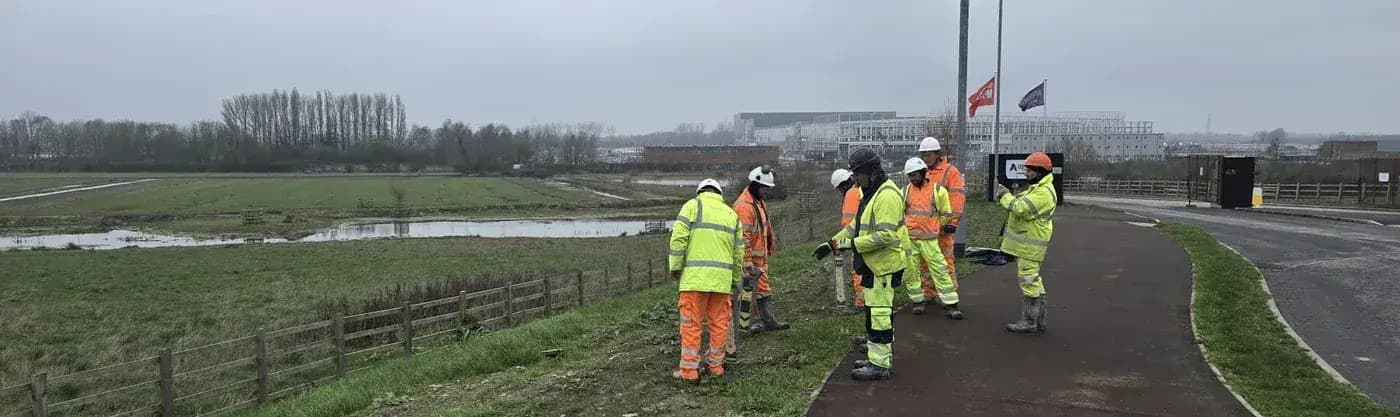
The practical assessment is conducted on a live training rig. Delegates must demonstrate competent performance on all eight criteria. All four locating modes and every Genny signal application method are assessed hands-on.
| Ref | Criterion |
|---|---|
| P1 | Determine the work location using company documentation and work instructions (ensure site plans obtained, recognise plan references and symbols, state action required if plans unavailable) |
| P2 | Plan to carry out work in line with health, safety and environmental legislation (Permit to Work process, general/point of work risk assessment, site guarding, Safe System of Work, contingency planning) |
| P3 | Inspect and prepare locating equipment required to complete work activity (pre-use checks in accordance with manufacturer instructions) |
| P4 | Wear required PPE to complete work activities in accordance with your Safe System of Work (minimum statutory requirements, damage checks, actions if PPE unavailable) |
| P5 | Use utility plans to determine the extent of the work site area where services are to be located (initial survey, visual assessment of surface features, identify specific services on plans) |
| P6 | Carry out a Point of Work Risk Assessment (POWRA), recording findings and adding control measures (Permit checks, Safe System of Work aligned with HASAWA/HSG47/GS6, report unexpected findings) |
| P7 | Use utility plans in conjunction with the specific locating equipment to enable services to be located and marked, using direct connection, induction, nulling out, Power and Radio modes (apply signal, pinpoint, depth estimation, passive sweep, recognise limitations) |
| P8 | Mark and record the position of services and sub-structures on the work site in accordance with company procedures (appropriate marking methods, report deviations from plans) |
What You Get
At the End of This Course
ProQual CAT1 Certificate
Accredited by ProQual Accreditations, demonstrating competency across all four EML connection modes
Personalised Training Record
Detailed breakdown of all theory and practical criteria assessed, including additional ProQual criteria
Practical Assessment Evidence
Documented evidence of competency with Genny & CAT equipment
Ongoing Support
Access to Sygma trainers for post-course questions and refresher guidance
Acceptance
Who Accepts ProQual CAT1?
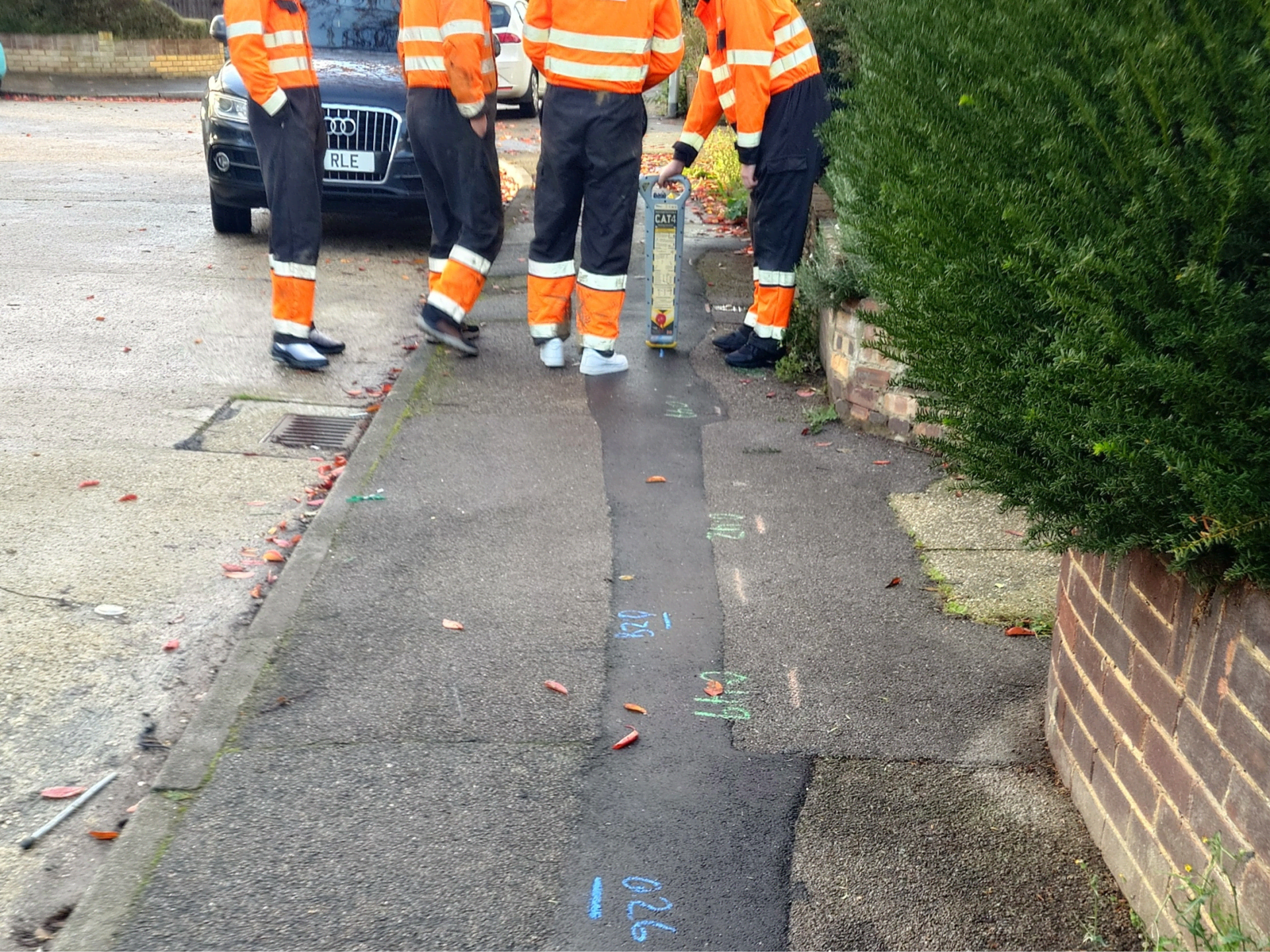
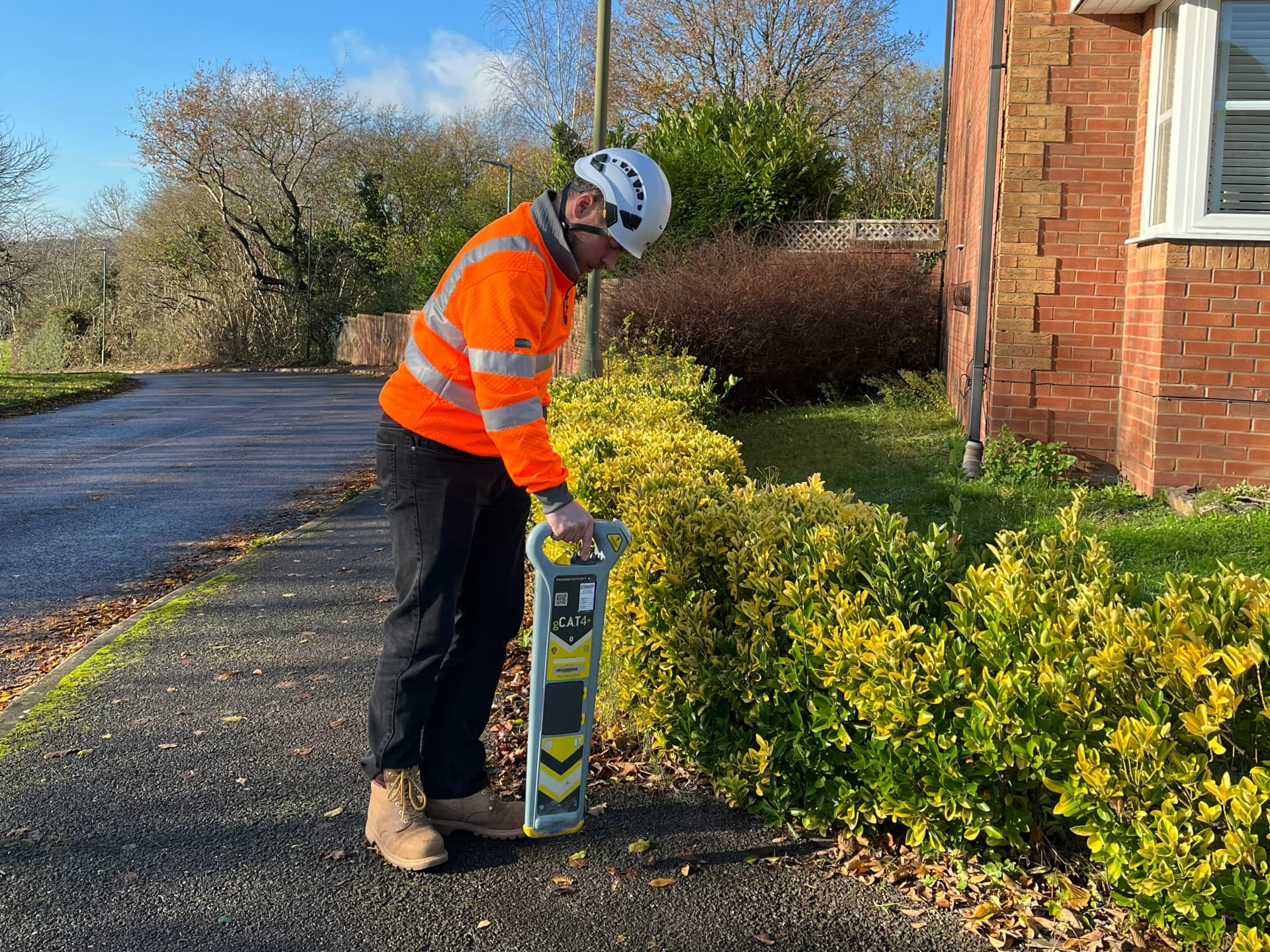
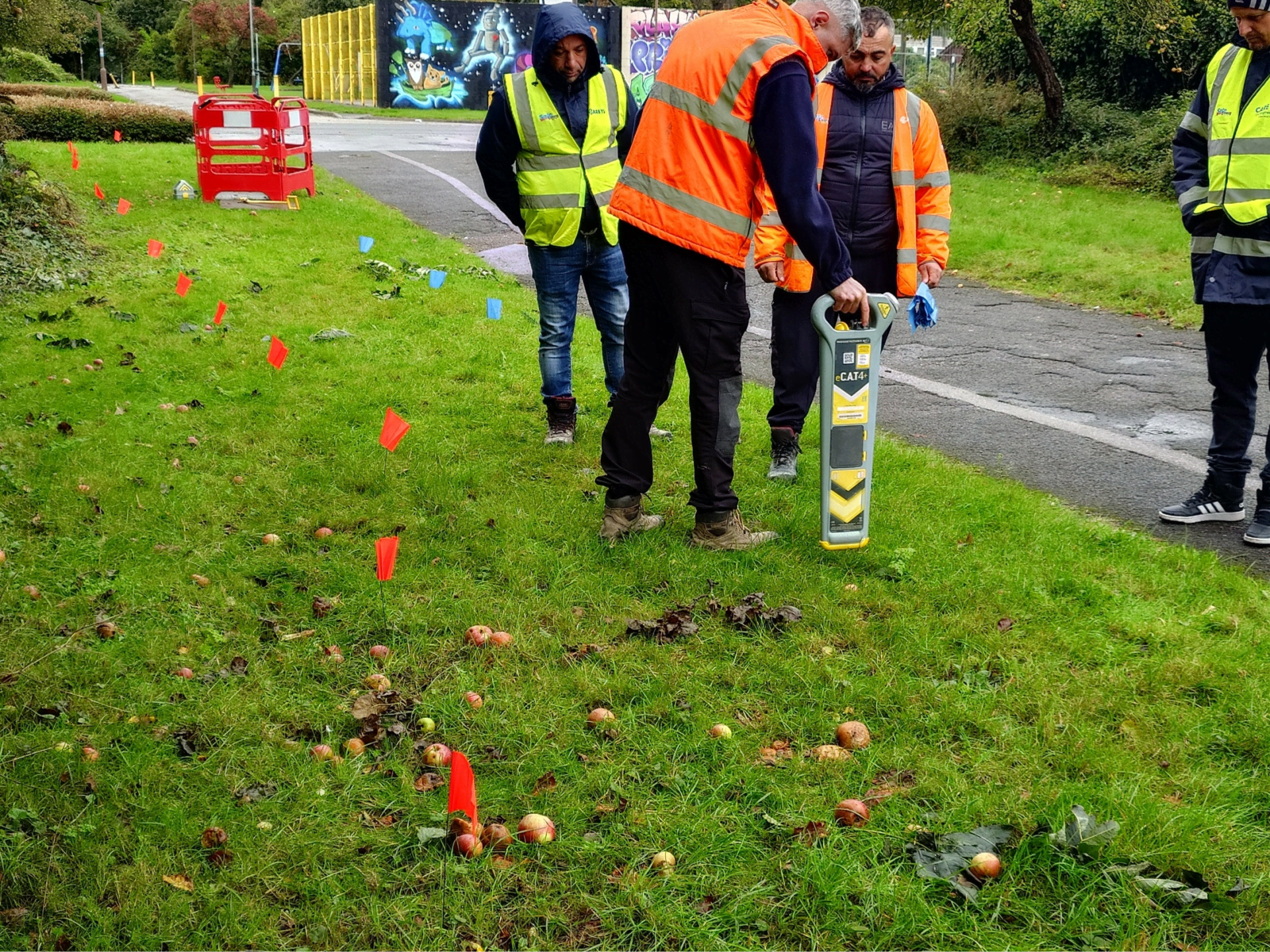
The ProQual CAT1 is widely accepted across the utility, construction, and infrastructure sectors. Some organisations mandate it specifically because it exceeds the minimum standard set by EUSR. Others accept it alongside EUSR as an equivalent or preferred route.
Tier 1 and Tier 2 Contractors
ProQual CAT1 is accepted by principal contractors operating under CDM duty-holder obligations. Multiple Tier 1 and Tier 2 contractors have adopted ProQual-accredited training as part of their competency frameworks.
Water, Gas and Electricity Utilities
Water companies, gas distribution networks, and electricity network operators accept ProQual CAT1 as evidence of competency for teams working near their buried infrastructure.
Multi-Utility and Infrastructure
Organisations managing multi-utility sites, highway works, and new-build infrastructure accept ProQual alongside or in place of EUSR for cable avoidance competence.
Organisations Requiring CDM Coverage
The ProQual CAT1 is the only cable avoidance qualification that includes CDM Regulations in its theory assessment. For organisations operating as principal designers or principal contractors, this is a significant compliance advantage.
Not sure whether your framework requires ProQual or EUSR? Contact us and we will check for you.
Criterion-by-Criterion Comparison
ProQual CAT1 vs EUSR CAT1: What Is Actually Delivered
This is not a comparison of what is assessed. It is a comparison of what is actually delivered as part of each qualification. The table below maps every ProQual theory and practical criterion against whether EUSR CAT1 delivers the same content. Where you see a cross, that topic is not part of the EUSR specification at all.
Theory Criteria (T1-T14)
| Ref | What Is Delivered | ProQual | EUSR |
|---|---|---|---|
| T1 | H&S responsibilities including HASAWA, Street Works Act, Permit to Works, contingency planning, CDM Regulations | ✓ | ✗ |
| T2 | HSG47 and GS6 guidance governing location work | ✓ | ✓ |
| T3 | Range and use of PPE for utility locating work | ✓ | ✓ |
| T4 | Site-specific risk assessment: purpose, features, monitoring, recording and reporting | ✓ | ✗ |
| T5 | Safe system of work aligned with HSG47 (identifying dangers, planning, obtaining plans, detecting and marking, PAS128 awareness, over-reliance on plans) | ✓ | ✓ |
| T6 | Interpreting utility drawings: colour coding, symbols, regional differences, PAS128 quality levels | ✓ | ✓ |
| T7 | Depth of apparatus and underground services: limitations and risks of depth uncertainty | ✓ | ✓ |
| T8 | Methods of marking out services and excavations for different site and weather conditions | ✓ | ✓ |
| T9 | Consequences of incorrect marking: power cables, gas pipes, water, sewers, heated networks, telecoms | ✓ | ✓ |
| T10 | Roles and responsibilities within site/highway operations team including NRSWA requirements | ✓ | ✓ |
| T11 | Visually locating and identifying overhead and underground services: markers, signs, features, existing records | ✓ | ✓ |
| T12 | Principles of electronic locating equipment: Signal Generator (direct connection, clamp, capacitance, induction, nulling out), Power and Radio modes, specific locator features (shallow alert, Avoidance, depth, calibration), data-enabled locators, sources of interference | ✓ | ✓ |
| T13 | Recording and communicating the position and types of services located | ✓ | ✓ |
| T14 | Reporting deviations in position of equipment and identifying other structures (action if discrepancies found, future risks of inaccurate plans) | ✓ | ✓ |
Practical Criteria (P1-P8)
| Ref | What Is Delivered | ProQual | EUSR |
|---|---|---|---|
| P1 | Determine work location using company documentation and work instructions (site plans obtained, recognise plan references and symbols, action if plans unavailable) | ✓ | ✓ |
| P2 | Plan work in line with H&S and environmental legislation (Permit to Work, general/point of work risk assessment, site guarding, Safe System of Work, contingency planning) | ✓ | ✗ |
| P3 | Inspect and prepare locating equipment (pre-use checks per manufacturer instructions) | ✓ | ✓ |
| P4 | Wear required PPE per Safe System of Work (minimum statutory requirements, damage checks, actions if PPE unavailable) | ✓ | ✓ |
| P5 | Use utility plans to determine extent of work site (initial survey, visual assessment of surface features, identify specific services on plans) | ✓ | ✓ |
| P6 | Carry out Point of Work Risk Assessment (POWRA), recording findings and adding control measures (Permit checks, SSOW aligned with HASAWA/HSG47/GS6, report unexpected findings) | ✓ | ✗ |
| P7 | Use utility plans with locating equipment: direct connection, induction, nulling out, Power and Radio modes (apply signal, pinpoint, depth estimation, passive sweep, recognise limitations) | ✓ | ✓ |
| P8 | Mark and record position of services on work site per company procedures (appropriate marking methods, report deviations from plans) | ✓ | ✓ |
Key Differences in Delivery Method
Knowledge assessment
ProQual: Written theory papers in the delegate's own words
EUSR: Multiple choice questions
Pass standard
ProQual: Every criterion must be met individually
EUSR: 80% MCQ pass mark + practical sign-off
External verification
ProQual: ProQual Accreditations external auditor
EUSR: EUSR internal verification
EUSR registration
ProQual: No
EUSR: Yes
Not sure which qualification your organisation needs? Contact us and we will check your procurement framework for you.
EUSR CAT1 column reflects the published EUSR Category 1 minimum specification. ProQual column reflects the published ProQual specification as delivered by Sygma Solutions Ltd.
For the full three-way comparison including ProQual CAT1 Plus, see our detailed comparison page.
Pricing
Simple, Transparent Pricing
On site, Sygma charges one fixed price for your group. Open courses are priced per delegate. Travel within the UK mainland is included. ProQual registration fee is included in the course price. No hidden extras. Contact us for a quote.
On site or open course
On site, one fixed price covers your group of up to 8 delegates. Open courses are priced per delegate.
Travel included
At Sygma HQ (Wigan) or on-site at your premises.
No hidden extras
ProQual registration, assessment materials, and post-course feedback included.
CITB Funding
Is CITB Funding Available?
CITB-registered employers can access funding through the CITB Employer Network. Contact your Employer Network lead to confirm availability before booking.
Need Funding Advice?
We help clients navigate CITB funding enquiries as part of every booking.
Ask About FundingCDM Regulations Coverage
The ProQual CAT1 includes coverage of CDM Regulations as part of its theory assessment. This is a key differentiator from the EUSR CAT1 and makes the ProQual the preferred route for principal designers, contractors, and organisations operating under CDM duty-holder obligations.
FAQs
Frequently Asked Questions
What is the difference between ProQual CAT1 and EUSR CAT1?
They are not equivalent qualifications. ProQual CAT1 is significantly more thorough. It covers topics that EUSR does not assess at all, including CDM Regulations, risk assessment monitoring and reporting, and Safe Systems of Work aligned with HASAWA, HSG47, and GS6. Where EUSR relies on multiple choice questions, ProQual uses written theory papers that require candidates to demonstrate understanding in their own words. ProQual also requires both theory and practical assessment across most criteria, whereas EUSR covers many areas through MCQ alone with no practical demonstration. In 21 years, Sygma has had to add content to every qualification on the market to make it fit for industry. The ProQual CAT1 is the only one we do not have to add anything to, because it covers everything needed. If your procurement framework gives you a choice, ProQual CAT1 delivers a measurably higher standard.
Why does the ProQual have no percentage pass mark?
The ProQual framework uses a competency-based assessment model. Rather than scoring a percentage on a multiple-choice paper, the assessor observes the delegate and judges whether each individual criterion has been met. Every criterion must be met before a certificate is issued. This is considered a more robust demonstration of real-world competence.
Do I need to bring my own CAT and Genny?
For classroom-based sessions at Wigan, Sygma provides all equipment (Radiodetection CAT4 and Genny4 as standard). This course can be delivered on any of the following equipment: Radiodetection CAT4, CAT4+, RD8200, RD8100, Vivax-Metrotech vLoc, or Leica DSX. For on-site delivery, the client must supply a locator and signal generator for the practical assessment elements. The equipment must be calibrated and in working order.
What happens if a delegate fails one of the practical criteria?
If a delegate does not meet a criterion during the assessment, the trainer will note the gap and, where time allows, provide additional coaching before a reassessment. If competence cannot be demonstrated on the day, the delegate will not receive a certificate and will need to attend a further session.
Is ProQual CAT1 training recognised on utility and construction sites?
Yes. The ProQual CAT1 is widely accepted across utility, water, gas, electricity, and construction sectors. Some organisations specify ProQual; others specify EUSR. If you are unsure what your framework requires, contact us and we will check for you.
What are the progression routes from ProQual CAT1?
Delegates who hold the ProQual CAT1 can progress to the ProQual CAT1 Plus (additional theory and extended practical criteria), the ProQual CAT2 Safe Dig qualification, or the OSCA scheme. Sygma can advise on the right progression route for your team.
Regulatory Alignment
HSG47 Compliance
ProQual CAT1 training directly addresses the requirements of HSG47 training, GS6, and CDM Regulations for safe work near buried services.
Legal Framework
HSG47, GS6, CDM Regulations
Comprehensive coverage of legal and regulatory requirements governing work near buried services, including specific CDM duty-holder obligations.
Risk Assessment
Identifying Buried Services Before Work Begins
Systematic approach to service plan interpretation, visual inspection, and locating equipment use to identify all buried utilities before excavation.
Safe Practices
Safe Digging Practices in Proximity Zones
Hand digging techniques, appropriate tool selection, and procedures for working within proximity zones once services have been identified.
Systems of Work
Permit to Dig Systems
Integration of locating results into safe systems of work, permit to dig procedures, and coordination between survey teams and excavation teams.
Emergency Response
Procedures for Utility Strikes
Immediate response procedures in the event of inadvertent utility strike, including notification, isolation, and safety protocols.
Documentation
Record Keeping and Audit Trail
Maintaining comprehensive records of service locations, survey results, and locating activities for compliance documentation and future reference.
Next Steps
Where to Go After ProQual CAT1
ProQual CAT1 Plus
Extend your qualification with 7 additional theory criteria and 32+ practical criteria. Covers advanced locating scenarios including congested ground and service identification under uncertainty.
Find out more →OSCA
The On-Site Competency Assessment. A digital, GPS-stamped assessment proving your team can locate and avoid buried services in the field, not just in the classroom.
Find out more →Bespoke Training
If your organisation has a specific incident history, permit system, or workforce that needs more than a standard course, we design the programme from the ground up. On-site, nationwide.
Find out more →Why Choose Sygma
Why Sygma for ProQual CAT1
Not all CAT1 courses are created equal. ProQual CAT1 is accredited to a standard above the industry minimum, and Sygma delivers it the way the specification was designed to be taught.
Accredited to a Higher Standard
ProQual CAT1 is accredited by ProQual Accreditations and externally audited to exceed the EUSR minimum specification. A robust qualification for organisations that value rigorous competency standards.
Every Mode Assessed
ProQual CAT1 practical assessment covers all four locating modes and every Genny signal application method using Genny & CAT equipment.
Specialist Trainers
Every trainer is directly employed by Sygma. All are ex-utility surveyors or ex-equipment manufacturer specialists. All TAQA qualified.
Genny-First Methodology
70-80% of Sygma-trained operatives default to Genny-First after training. Measured through locator data downloads.
Independent Provider
No surveys to sell, no equipment to push. When we identify a gap in competence, that verdict is unbiased.
We Come to You
Delivered at your site using your equipment and procedures. Travel included in course rate.
Expand Your Skills
Related Courses
ProQual CAT1 Plus
Two-day advanced qualification with expanded practical element using Genny & CAT equipment. Includes the Genny-First methodology formalised into assessment criteria.
EUSR CAT 1 Training
EUSR-registered cable avoidance qualification. Required by many utility sector frameworks and network operators.
ProQual CAT2
Safe excavation qualification. If your team locates and digs, they need both.
Related Knowledge Hub
Further Reading
Book ProQual CAT1 Training
Available at Wigan or on your site anywhere in the UK. Covers up to 8 delegates per session. ProQual registration included.