Utility Avoidance
Utility Plans & Process Training | Survey More Safely
Most operatives can get hold of a utility plan. Far fewer can read one properly. From STATS and LSBUD to keys, scales, and regional network differences, delegates leave able to extract the right information from any plan and use it correctly on site.
Online Format
Live Teams, approx 90 mins
In-Person Format
Classroom and site practical
Assessment
Practical competence check (in-person)
Certificate
Certificate of attendance
Delivery
Online or in-house, nationwide UK


The Problem With Plans
Having the Plan Is Not the Same as Understanding It
HSG47 is clear: you must obtain utility records before you excavate. But having the plan is only the first step. Understanding what it tells you, what it does not tell you, and how to use it alongside your locator is a different skill entirely.
Misreading a plan, using the wrong scale, not spotting a network operator boundary, or failing to check the date can all lead to a locate that looks complete but leaves services undetected. This course closes that gap.
The course is built for operatives, supervisors, and coordinators who use utility plans as part of their work. It covers the legal framework, the sourcing process, how to interpret different plan types, and how plans integrate with the locating survey from start to finish.
Course at a Glance
Course Content
What the Course Covers
The course covers utility plan reading from first principles through to practical site application. The same content applies to both formats.
Legal and Responsibility Framework
Network Areas and Regional Differences
Sourcing Utility Plans
Reading and Interpreting Plans
Using Plans With a Locator Survey
In-Person Format
Practical Element and Competence Check
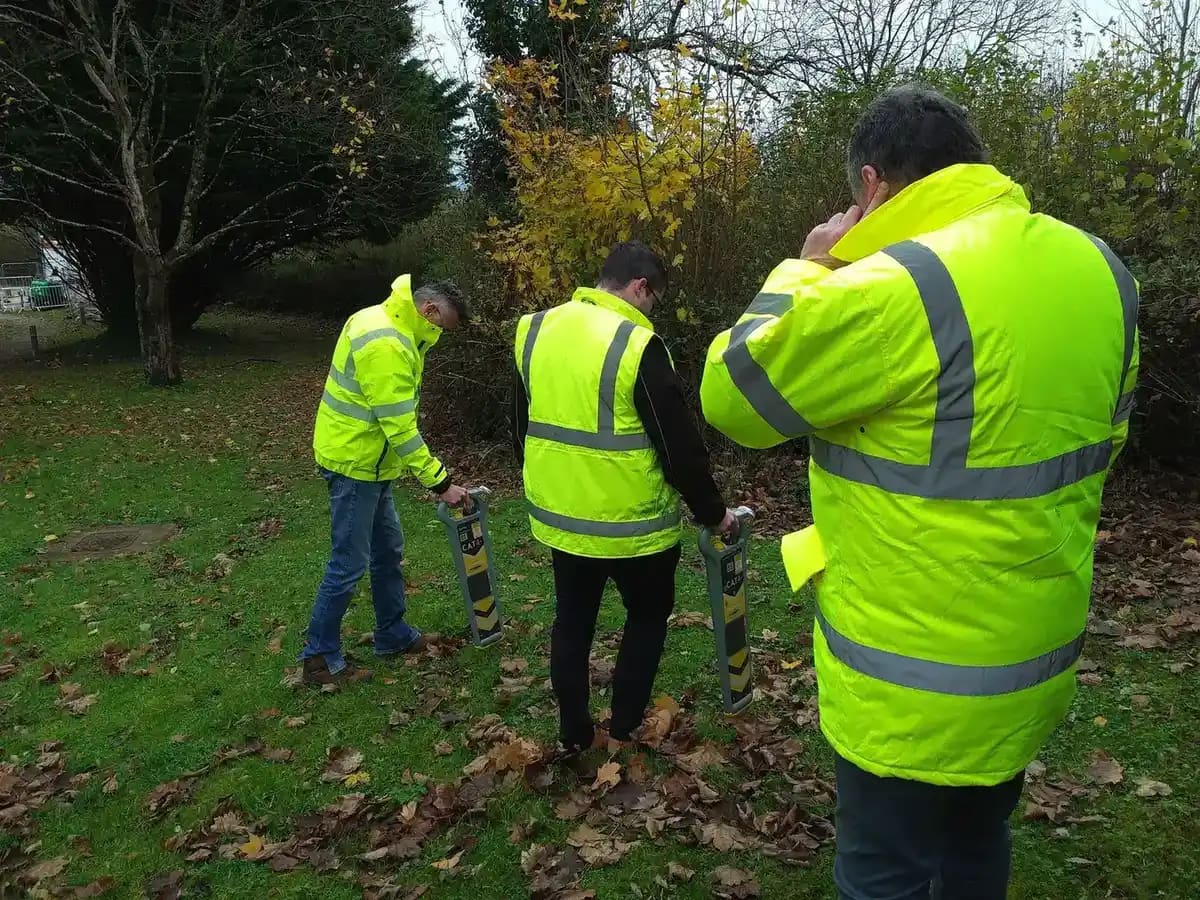
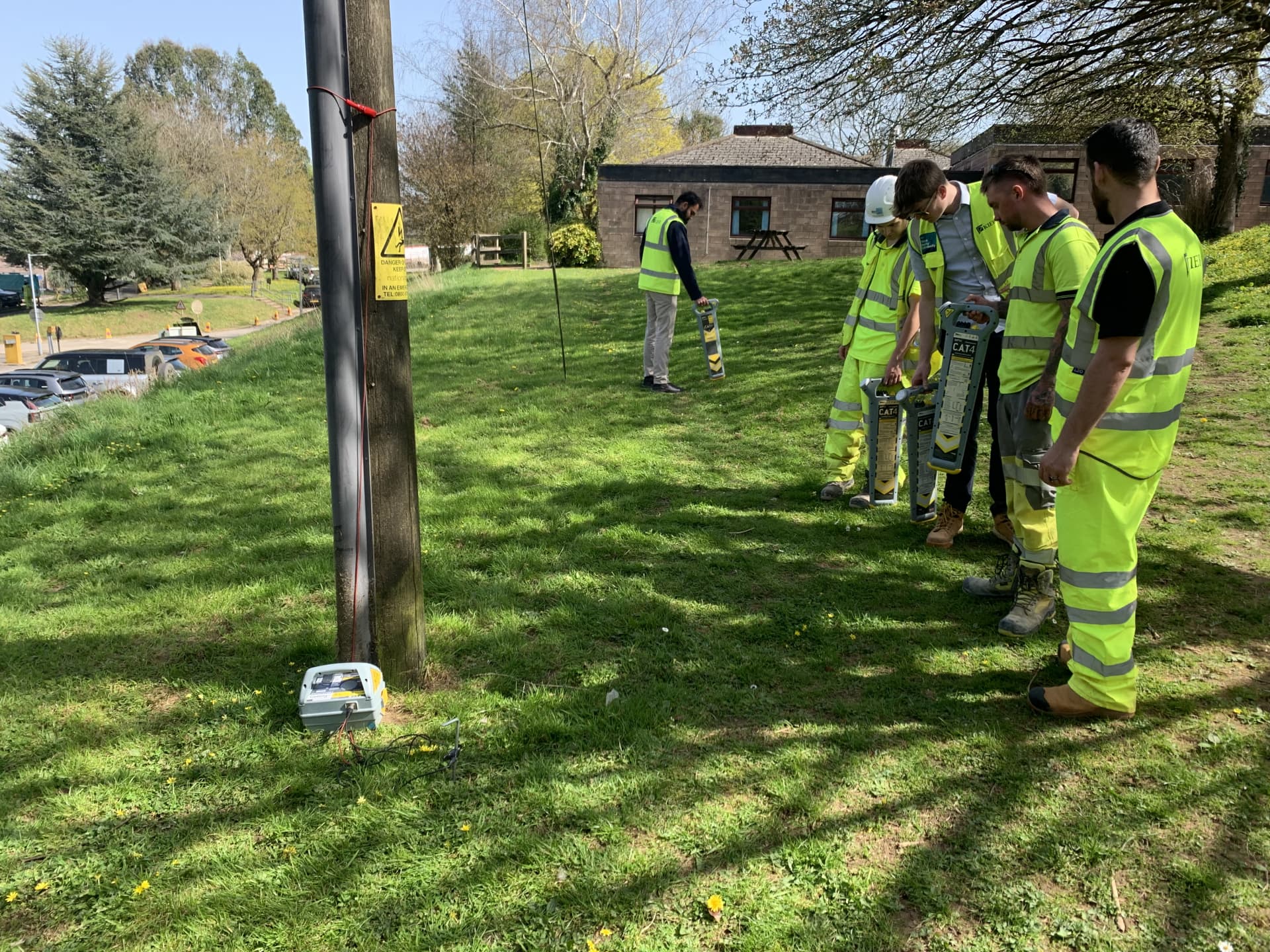
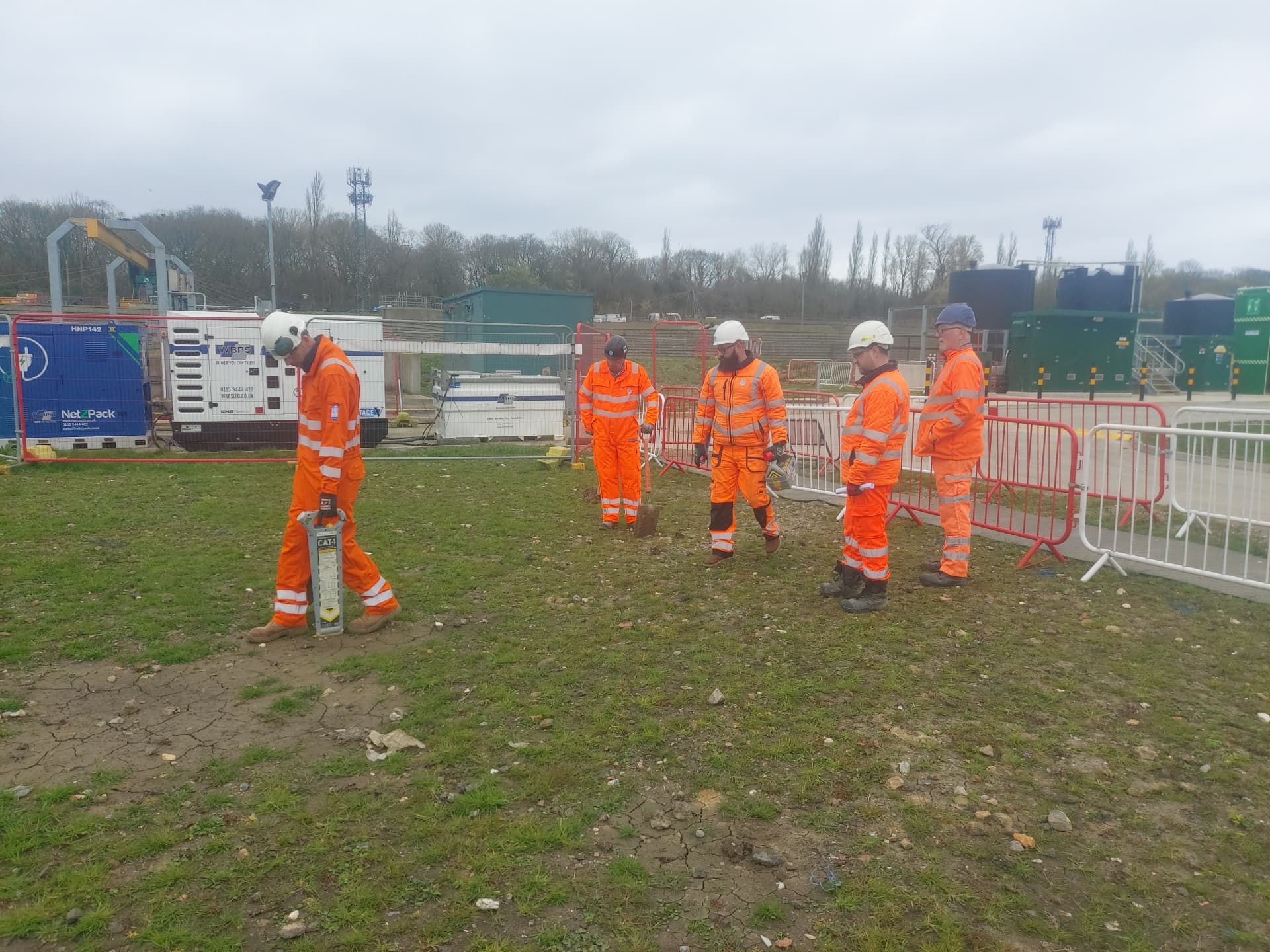
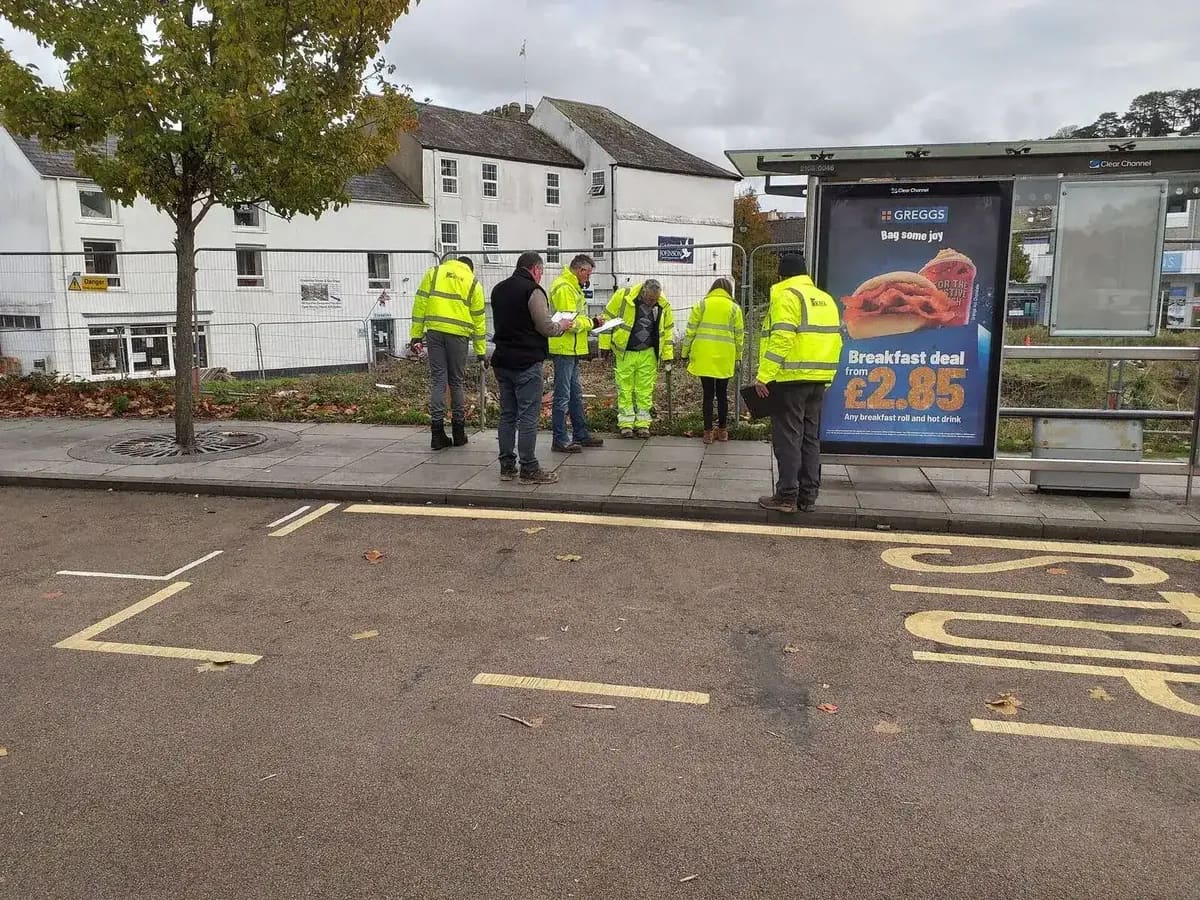
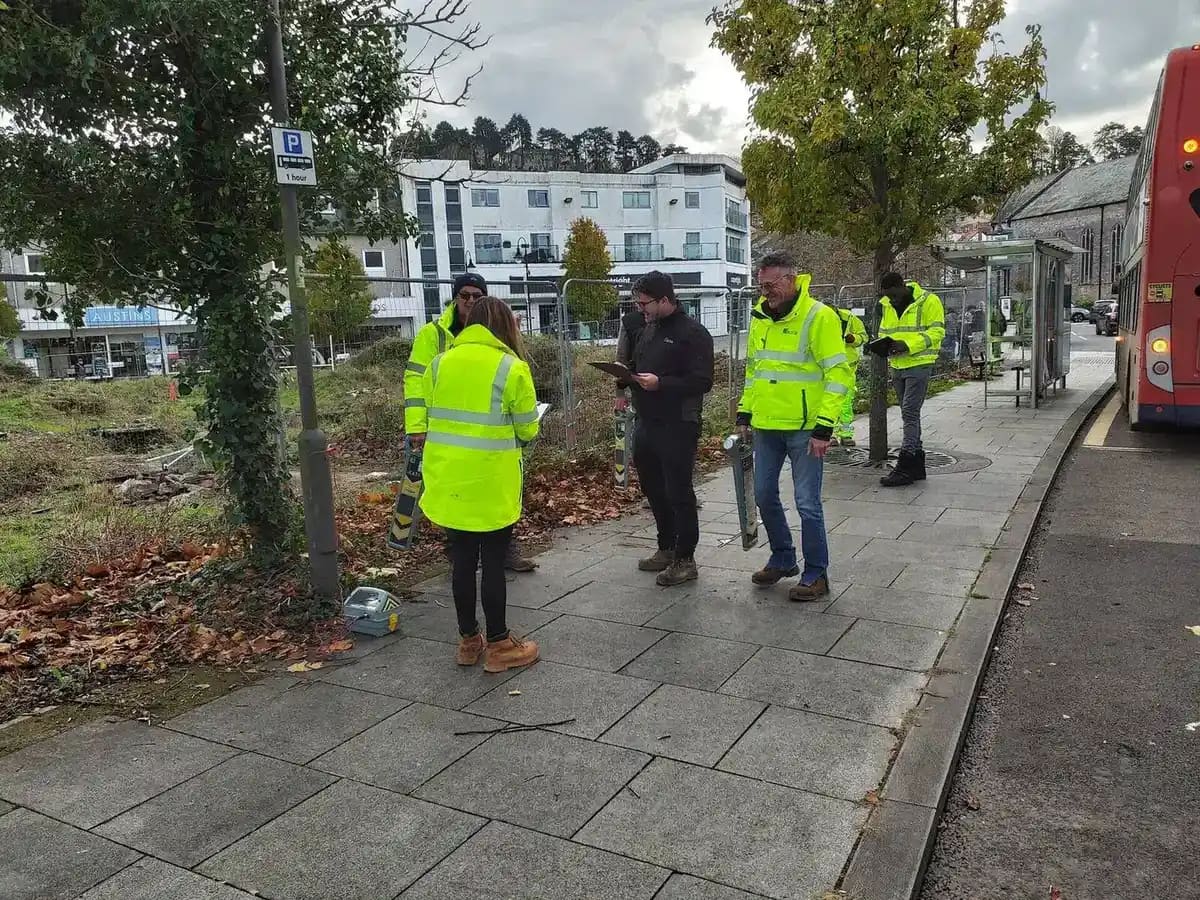
When delivered in person, the course adds a practical element where delegates apply what they have learned in a real or representative site environment. This includes working with real plans, identifying utility routes, checking scales, and then using a locator in conjunction with the plan.
A short competence check is completed to document understanding and practical ability. This does not qualify as an EUSR assessment, but it gives a documented record of delegate competence that your company can retain.
Online (Teams)
Live session, approx 90 minutes
In-House Classroom with Practical
Full session including site competence check
What You Get

Audience
Who Should Attend
Operatives and Supervisors
Anyone who uses utility plans as part of a survey or excavation process and wants to read them more accurately. This course is often taken alongside the EUSR CAT1 or RQF Level 2 Award to complete the end-to-end skills picture.
Service Coordinators and USC Appointees
Coordinators responsible for sourcing, reviewing, and signing off utility plans as part of the permit and excavation process. Covers PAS128 survey types and plan interpretation in the context of the USC role.
New Starters and Inductions
The online format is well suited to remote inductions. The 90-minute session covers everything a new starter needs to know about utility plans before picking up a locator for the first time.
Common Questions
Frequently Asked Questions
Does the course cover LSBUD and Digdat?
Yes. The course covers how to use LSBUD (Line Search Before U Dig) to request statutory records from utility owners, and how to use Digdat as an additional source. Delegates will understand how to obtain the right plans for the job before any excavation takes place.
Is this course just for operatives?
No. While operatives benefit significantly, the course is equally relevant for supervisors, coordinators, and anyone who sources, reviews, or signs off utility plans as part of the excavation process. The Service Coordinator (USC) course also covers utility plans in more depth in the context of the USC appointment.
What is the difference between the online and in-person format?
The online format is a 90-minute live session via Teams covering the full classroom content. The in-person format includes the same classroom content plus a site practical element and a documented competence check. For teams where site competence needs to be recorded, the in-person format is recommended.
Does this course lead to a qualification?
No. Both formats issue a certificate of attendance. The in-person format includes a competence check. If you need a nationally recognised qualification, look at the RQF Level 2 Award or the EUSR CAT1 course, both of which include utility plans as part of a broader assessment.
Can this course be delivered as part of a site induction?
Yes. The online format is well suited to remote inductions and can be used as a standalone session for new starters before they arrive on site. Contact Sygma to discuss how it can be incorporated into your onboarding process.
What plans experience do delegates need before attending?
None. The course starts from first principles and is suitable for delegates at all levels. Experienced operatives will find it confirms and formalises existing knowledge; newer starters get the full framework from the ground up.
Why Sygma
Why Choose Sygma for Plans and Process Training
Plan reading is not obvious. It requires structured training and hands-on practice with real plans.
Records and Planning
Understanding utility records is the first step before any equipment reaches the ground.
Proper plan reading prevents incomplete surveys and dangerous misinterpretations.
Specialist Trainers
Directly employed, ex-surveyors and ex-manufacturers, TAQA qualified.
Trainers who have worked with utility plans in the field every day.
Real Practical Assessment
Structured on-site practical in real conditions.
In-person format includes site practical with real utility plans and buried services.
Independent
No surveys, no equipment, no manufacturer relationships.
Training focused entirely on plan reading skills, not commercial interests.
We Come to You
Delivered at your site, travel included.
In-house training at your location for online and in-person formats.
Two Formats
Online Teams session or full in-person with site practical element.
Choose the delivery method that suits your team's needs.
Funding
CITB Employer Network
Training Support
Sygma is a CITB ATO. Contact your CITB Employer Network adviser about funding. All Sygma courses exceed 51% practical.
CITB-registered employers may be able to access Employer Network funding towards training costs. Plans and process training is recognised as essential foundation knowledge for utility avoidance work.
Next Steps
Related Training Courses
Combine plans and process training with locating and safe dig qualifications.
EUSR CAT 1 Training
The foundation qualification for utility location. Plans and locating work together from start to finish.
EUSR CAT2 Safe Dig
Safe excavation and permit requirements. Essential for teams executing digs after planning.
Service Coordinator (USC)
For those responsible for sourcing and reviewing utility plans as part of the USC role.
Enquire About Plans and Process Training
Online via Teams or in-house at your site. Contact us to discuss the format that works best for your team and receive a tailored quotation.