Utility Avoidance
GS6 Overhead Power Lines: Awareness and Safe Working Training
Half-day classroom awareness or full-day with practical site element. Written assessment with 70% pass mark. GS6 fourth edition and ENATS 43-8. Delivered in-house at your site, nationwide UK.
Formats Available
Half-day or Full-day
Assessment
Written, 70% pass mark
Standards Covered
GS6 4th Edition, ENATS 43-8
Certificate
Certificate of attendance
Delivery
In-house, nationwide UK
Overhead Line Hazard Training
Understanding the Risk Above the Ground
Overhead power lines kill and injure workers every year. Unlike buried services, overhead conductors are visible, but that visibility creates complacency. The consequences of contact are immediate and almost always fatal. GS6 exists to give workers and managers the knowledge to recognise the hazard, plan their work correctly, and apply the control measures that prevent contact from occurring.
Sygma's GS6 Overhead Power Lines course is delivered against the GS6 fourth edition and ENATS 43-8. It is available in two formats: a half-day classroom and assessment session for teams that need the theoretical grounding, and a full-day programme that adds a practical site element covering the use of the supa rule and the application of control measures in a real working environment.
Both formats include a written assessment with a 70% pass mark. A verbal assessment is available as an alternative for delegates with dyslexia or other reading difficulties (contact Sygma at the time of booking to arrange this).
Course at a Glance
Course Formats
Choose the Format That Fits Your Needs
Half-Day Awareness
Classroom and written assessment only
The half-day format covers the full classroom programme: legislation, GS6 fourth edition, voltage classifications, conductor behaviour, safe approach distances, and control measures. Delegates complete a written assessment before the session ends.
Full-Day with Practical
Classroom, site practical, and written assessment
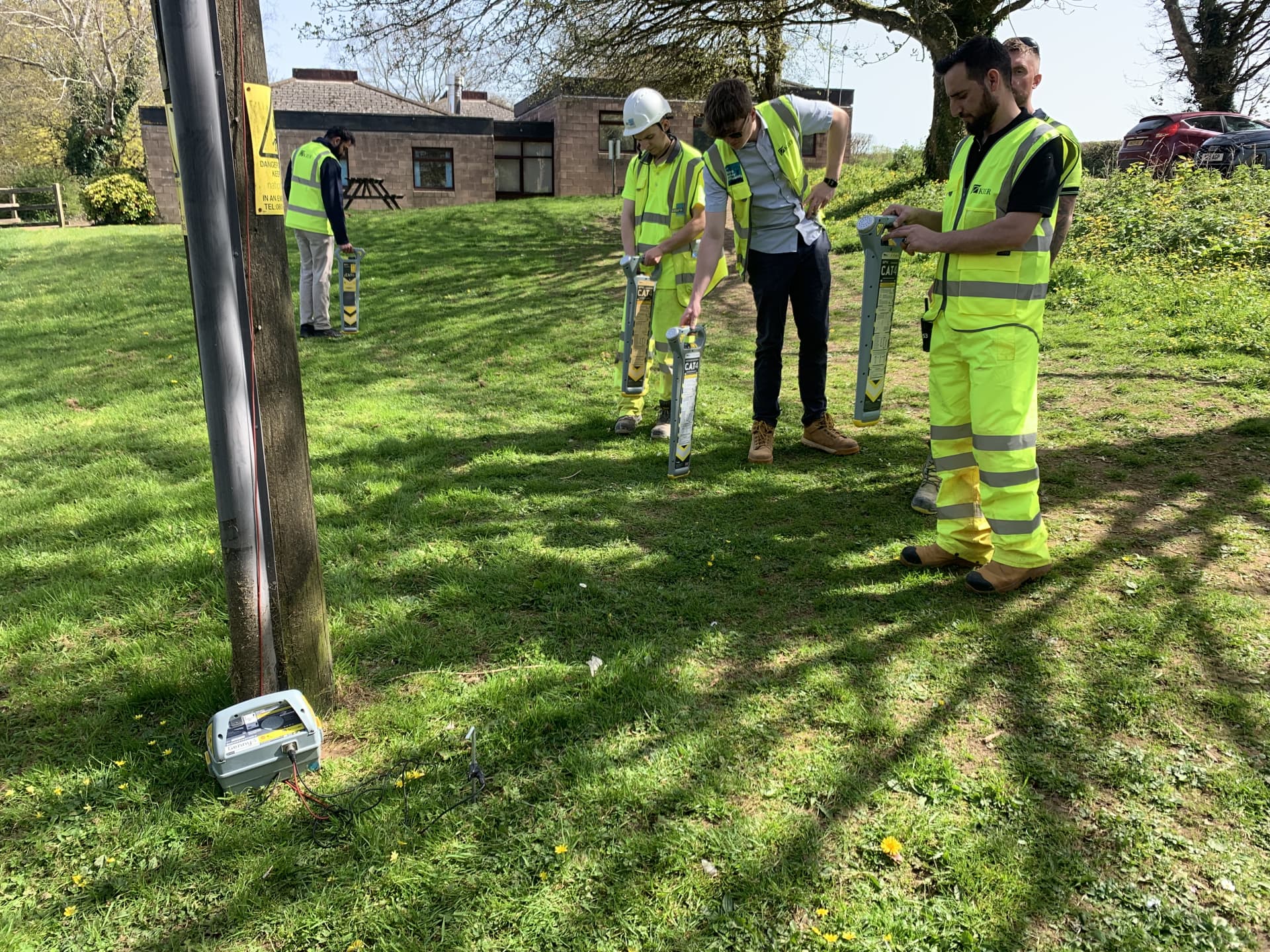
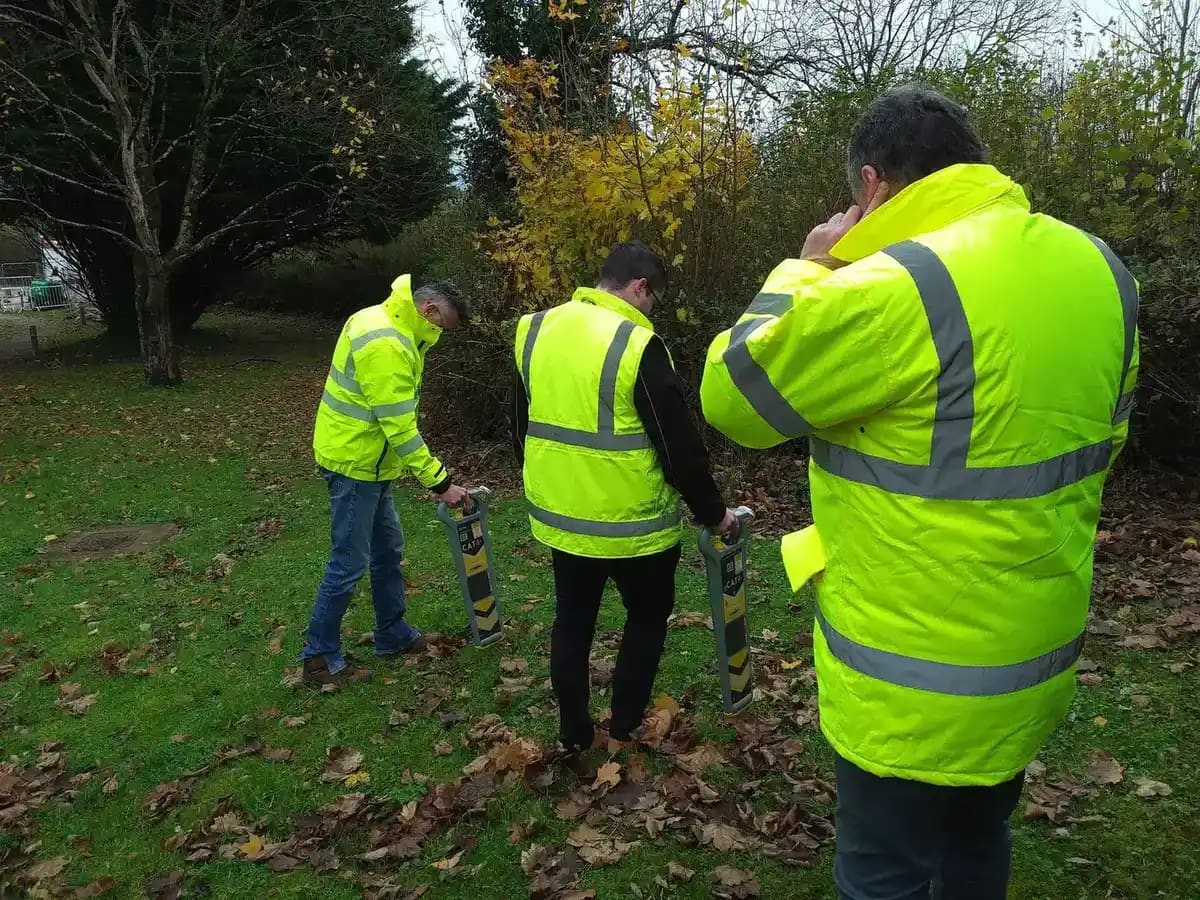
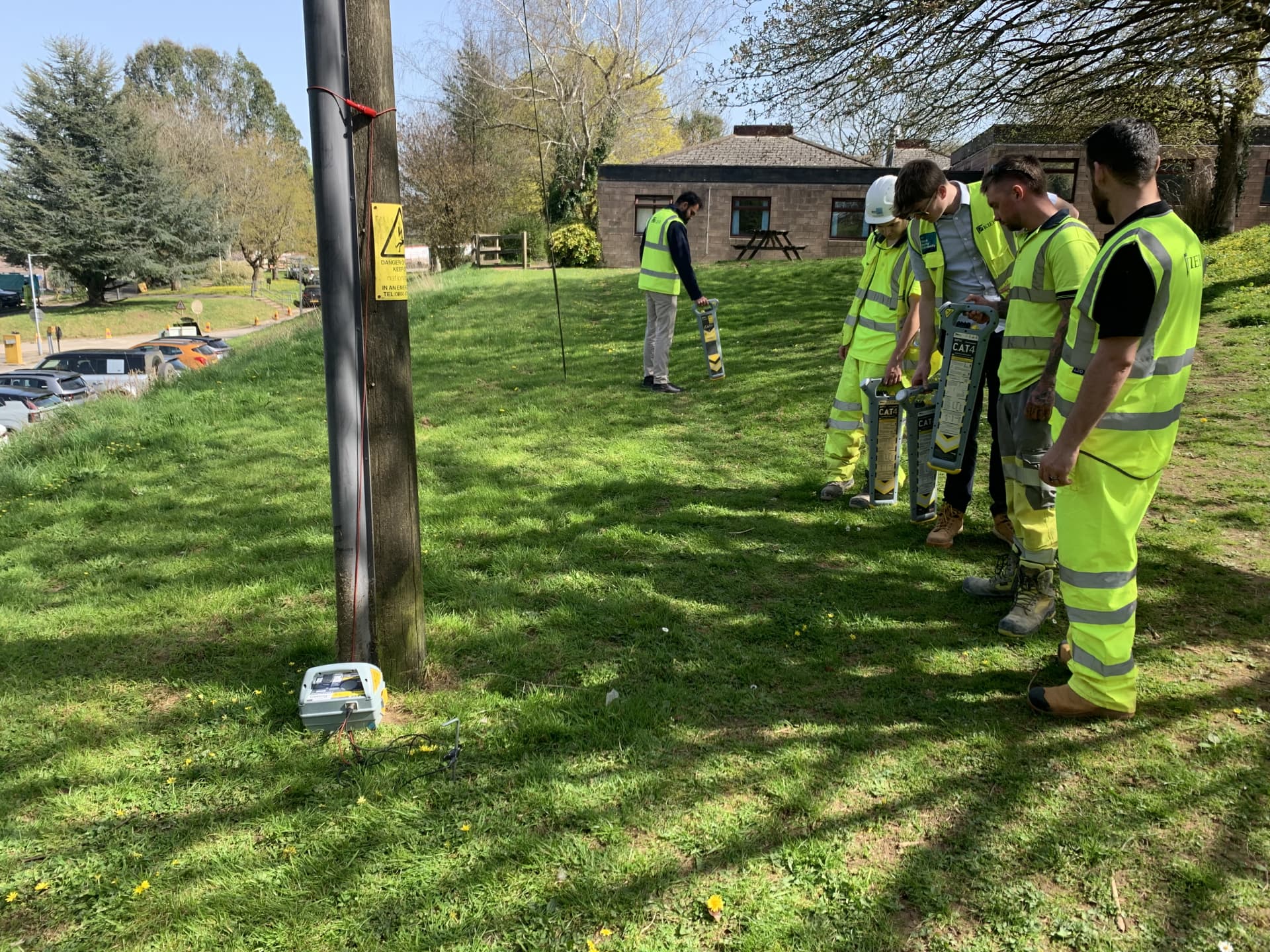
The full-day format adds a practical site element to the classroom programme. Delegates use the supa rule to measure conductor heights in the field, identify tower and structure types, apply safe approach distances on site, and set up the control measures required before work can begin.
Classroom Content
What the Classroom Element Covers
The classroom programme is common to both formats. It covers the legislative context, the technical content of GS6 and ENATS 43-8, and the practical control measures required before any work near overhead lines can take place.
Site Practical (Full-Day Format)
Applying the Theory on Site
The full-day programme adds a practical element where delegates apply what they have learned in a real or representative outdoor environment. Sygma trainers use a flexible approach, adapting site activities to the location available.
Note on site requirements for the full-day format
The full-day practical requires an outdoor area with a representative overhead line infrastructure within a reasonable distance of the training location. Sygma will confirm site suitability with you at the time of booking. If your site does not have suitable overhead infrastructure nearby, Sygma can advise on alternative arrangements.
What You Get
Assessment
Written Assessment: 70% Pass Mark
Both formats conclude with a written assessment. Delegates must achieve a minimum of 70% to receive the certificate of attendance. The assessment is completed at the end of the classroom programme, before the practical element on the full-day course.
A verbal assessment is available as an alternative for delegates with dyslexia or other reading difficulties. This must be requested at the time of booking so that Sygma can make appropriate arrangements in advance.
Who Should Attend
Audience
Common Questions
Frequently Asked Questions
Which format is right for my team?
The half-day awareness format is suitable for teams that need the theoretical knowledge: understanding the hazard, the legislation, the control measures, and what the standards require. The full-day format is appropriate where delegates will have a direct role in applying control measures on site, operating plant near overhead lines, or conducting risk assessments. If you are unsure, contact Sygma and we will advise based on your team's roles and responsibilities.
What is the supa rule and why is it relevant?
The supa rule is a telescopic measuring pole used to determine the height of overhead conductors at a safe distance from the line. It allows the measured clearance height to be compared against the known sag curve data for that type of line, which in turn determines the maximum safe height for plant and equipment working in the vicinity. The supa rule is used as part of the risk assessment process under GS6 and is covered in the practical element of the full-day format.
What does ENATS 43-8 cover?
ENATS 43-8 is the Energy Networks Association technical specification that sets out the minimum clearance distances for overhead line construction in the UK. It provides the technical basis for the approach distances used in GS6. Understanding ENATS 43-8 allows delegates to understand why specific clearance distances are set as they are, rather than simply memorising numbers.
Does passing this course give EUSR recognition?
No. The GS6 Overhead Power Lines course is an awareness and training programme delivered against the GS6 fourth edition. It does not form part of the EUSR (Energy & Utility Skills Register) qualification framework. Delegates who successfully complete the written assessment receive a certificate of attendance from Sygma.
Can a verbal assessment be arranged?
Yes. Sygma offers verbal assessment as an alternative to the written paper for delegates with dyslexia or other reading difficulties. This must be requested at the time of booking so that the trainer can prepare accordingly. The verbal assessment covers the same content and is conducted at the same pass mark threshold.
Can you deliver this alongside other Sygma training on the same day?
Yes, depending on the format. The half-day awareness programme can be combined with other half-day modules where your team has multiple training needs in the same visit. Contact Sygma to discuss combining GS6 awareness with other elements of your utility safety training programme.
Why Sygma
Why Choose Sygma for GS6 Training
Overhead line hazards are unforgiving. Training must be thorough, practical, and delivered by people who understand the real risks.
GS6 Compliance
Meets HSE GS6 guidance requirements for working near overhead power lines.
Delivered against the GS6 fourth edition and ENATS 43-8. Your team leaves with documented competency.
Specialist Trainers
Directly employed, ex-surveyors and ex-manufacturers, TAQA qualified.
Trainers who understand the hazard and how to communicate it effectively to site teams.
Real Practical Assessment
Structured on-site practical in real conditions.
Full-day format includes practical measurement and control measure application on site.
Independent
No surveys, no equipment, no manufacturer relationships.
Impartial delivery focused entirely on safety, not commercial interests.
We Come to You
Delivered at your site, travel included.
In-house training at your location, with access to your local overhead infrastructure if available.
Two Formats
Half-day awareness or full-day with practical site element.
Choose the format that matches your team's needs and responsibilities.
Funding
CITB Employer Network
Training Support
Sygma is a CITB ATO. Contact your CITB Employer Network adviser about funding. All Sygma courses exceed 51% practical.
CITB-registered employers may be able to access Employer Network funding towards training costs. GS6 training is recognised as essential health and safety competency development.
Next Steps
Related Training Courses
Build a comprehensive safety programme across all utility avoidance hazards.
EUSR CAT 1 Training
Underground services avoidance. The complement to overhead line safety in a complete hazard awareness programme.
EUSR CAT2 Safe Dig
Safe excavation techniques for buried services. Essential knowledge for teams working in multi-hazard environments.
Service Coordinator (USC)
Coordination and oversight of underground service avoidance. Essential for site supervisors and managers.
Enquire About GS6 Overhead Power Lines Training
Half-day awareness or full-day with site practical. Delivered in-house at your site anywhere in the UK. Contact us to discuss your team's requirements and receive a tailored quotation.