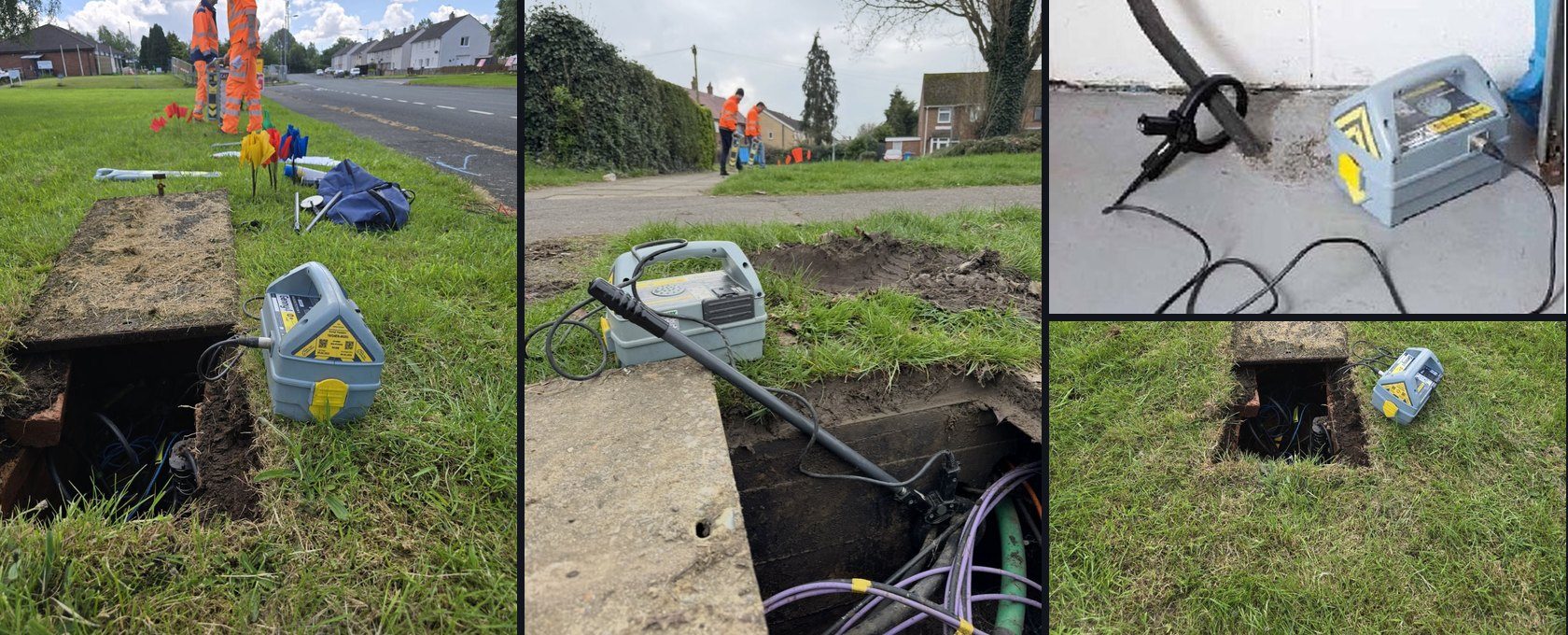
A Genny and CAT will find most buried services, but not all of them. Some cables carry no usable signal by induction. Others sit among so many services that the trace becomes a guess. In both cases there is a tool that puts a clean, reliable signal on the exact service you are trying to find: the signal clamp. Despite that, plenty of teams leave the clamp at the bottom of the kit bag, or do not carry one at all. Here is what it does, how it compares with the other ways of applying a signal, and where it earns its place on site.
01 · What a signal clamp is
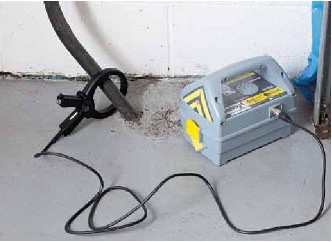
A signal clamp, sometimes called an induction clamp, is an accessory for the Genny, the transmitter side of a Genny and CAT set (for example the Radiodetection Genny4 and gCAT4+). It is a split core that opens and clips around a cable or pipe at any point you can reach: a cable riser, an inspection chamber, a stop valve, a footway access box, or where a service enters a building.
When the Genny drives a signal through the clamp, the clamp induces that signal onto the service running through it, the way a transformer passes energy from one winding to another. It does this without cutting into the cable and without interrupting the supply, so it is safe on live services where a direct connection would not be. The Cable Avoidance Tool (CAT) then works as normal, following the signal now travelling along that one service.
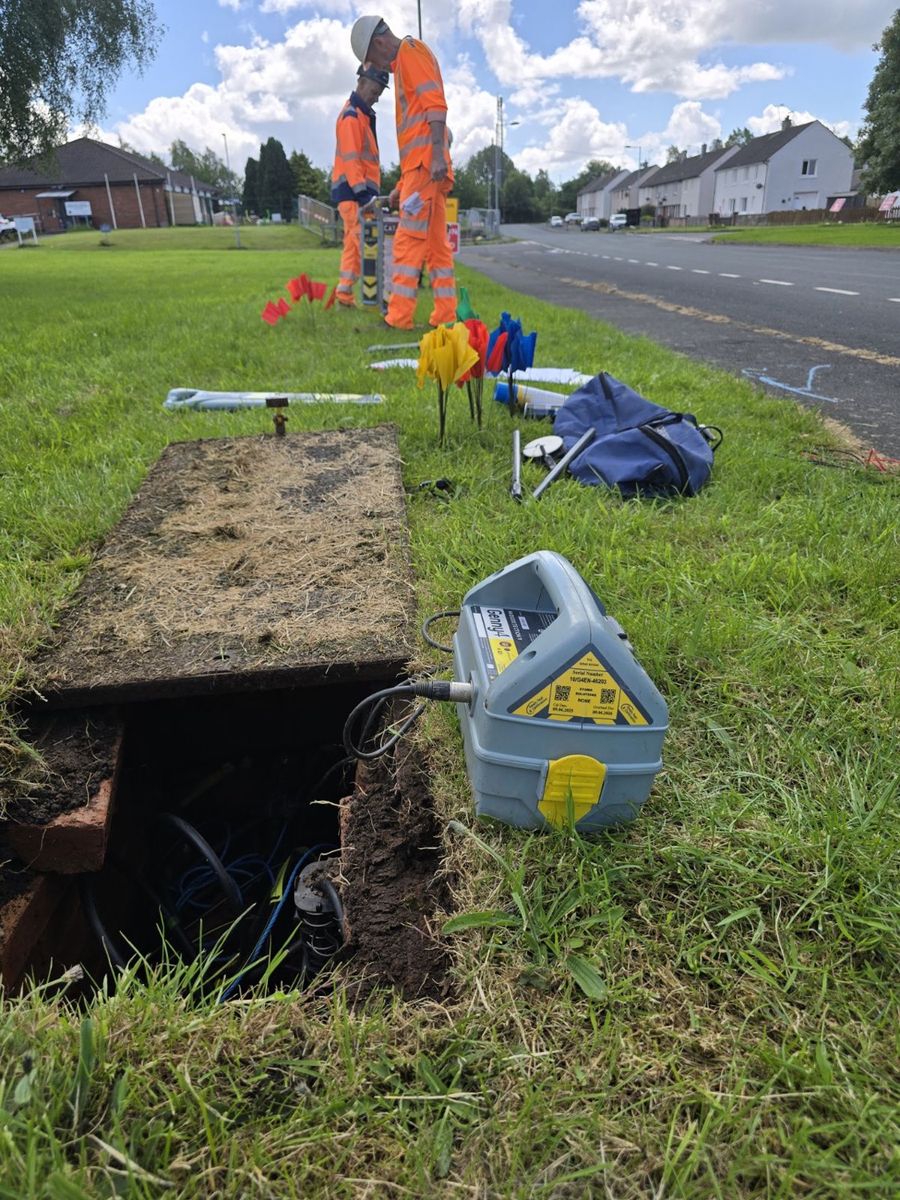
Because the clamp is a form of connection, the Genny can drive it at both 33 kHz and 131 kHz. Induction is limited to 33 kHz alone. That second frequency matters, as we will see.
02 · How it compares with direct connection and induction
The Genny can apply a signal in several ways. For buried services, three matter most.
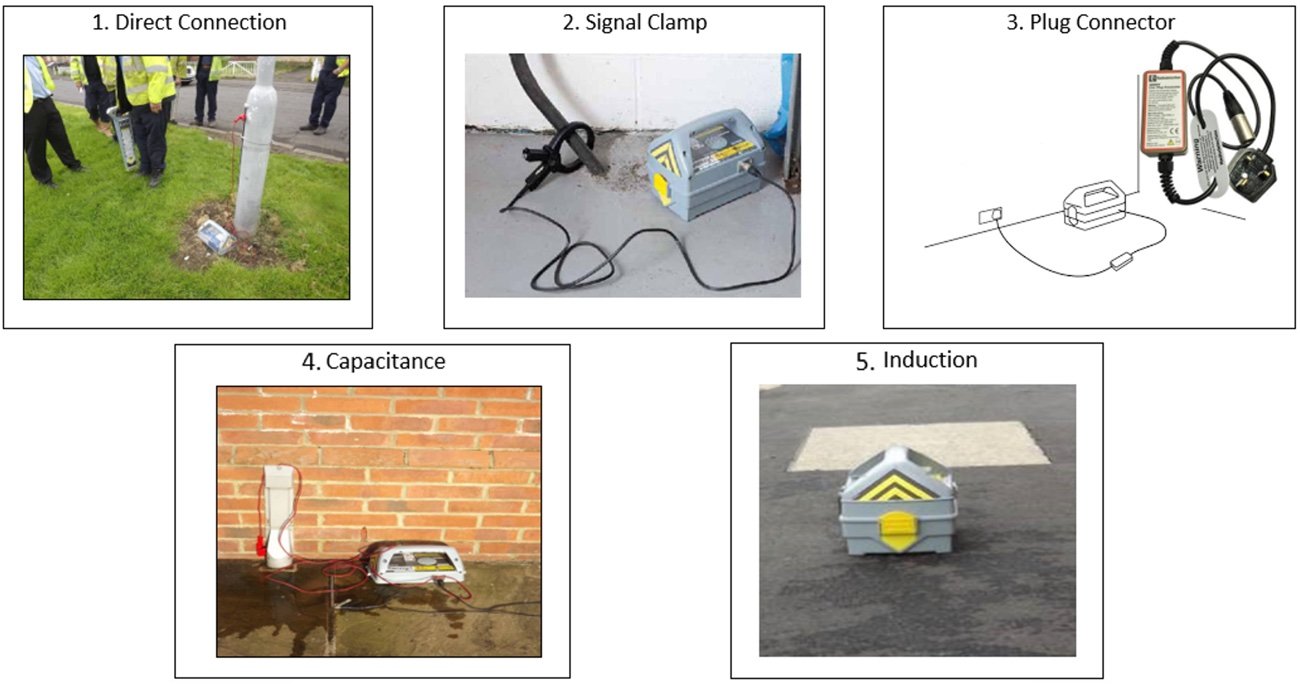
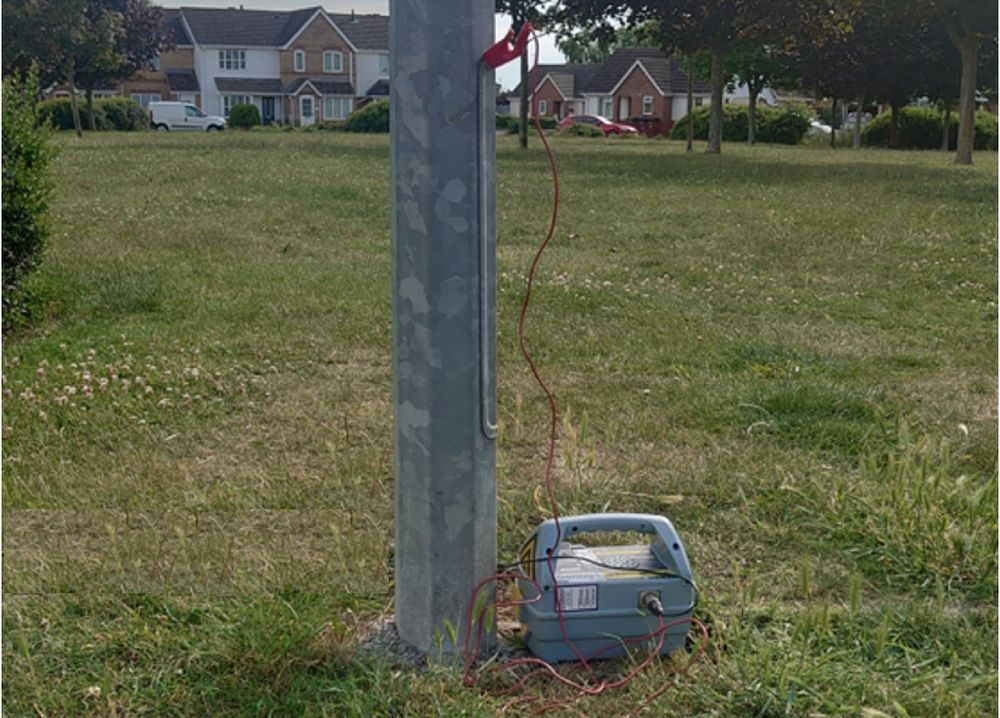
- Direct connection. The Genny is clipped straight onto the conductor. The cleanest, strongest signal there is, but it needs safe access to the conductor, which you rarely have on a live buried service, and it is not possible on HV.
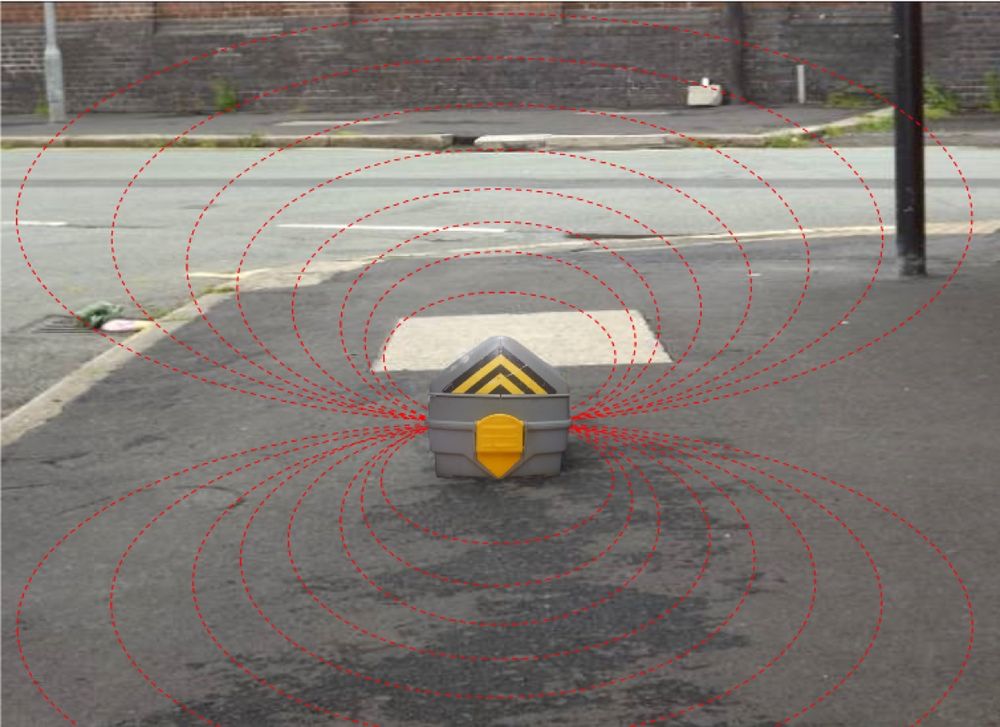
- Induction. The Genny sits on the ground and radiates a signal that couples into nearby metal. Fast, needs no access, and useful for a first sweep. But it radiates into every service in range, so in congested ground it lights everything up and the target is lost among them. It is limited to 33 kHz, which cannot follow high-resistance lines such as comms cables.
- Clamping. The Genny drives the signal through a clamp fitted around one specific service. That service carries a strong signal and the ones around it carry only a weak return, so you can follow the target with confidence. It works on live cables, and it gives access to 131 kHz.
Put simply, induction is broad and fast but indiscriminate. A clamp is precise. It puts the signal where you want it and nowhere else.
03 · Where a signal clamp earns its place
Congested ground and trial holes
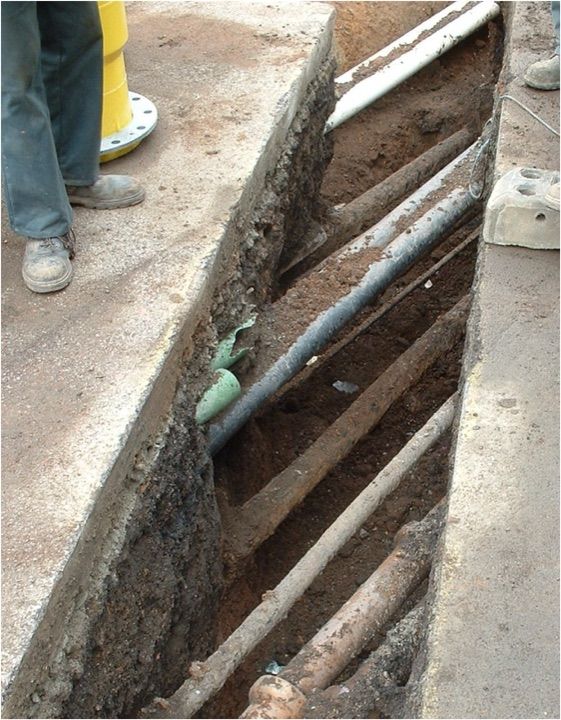
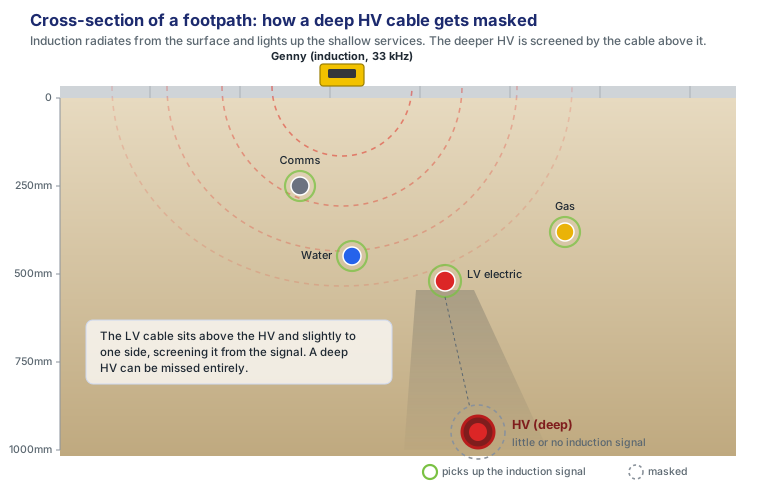
Footpaths packed with cables are the hardest case. Induction radiates into every service in range, not just the target, so in congested ground it lights everything up. A shallower cable, or a better-conducting one, takes the signal and screens the deeper cables behind it, so the line you actually want gets lost in the crowd.
This is where the clamp and the trial hole work together, and it is one of the clamp's most important benefits on complex ground. To clamp a buried cable you first have to expose it, so carrying a clamp encourages teams to dig proper trial holes rather than guess from a surface scan. That is a safety gain in its own right: the trial hole verifies the depth and position of what is actually down there before anyone breaks ground in earnest, which is exactly the discipline that sits alongside HSG47 safe digging.
Once the services are exposed in the trial hole, a clamp goes straight onto each one in turn. Every cable is positively identified and given its own clean signal, so it can be traced out individually with confidence. Clamping an exposed service this way is far more reliable than trying to induce a signal onto it, where the signal spreads into everything around it and the trace becomes a guess. One trial hole, worked with a clamp, turns a difficult and uncertain survey into a set of clean, separate, confident traces.
Communications cables
Comms cables, BT and cable TV, are the clearest example. They are high-resistance lines, so a 33 kHz induction signal cannot follow them at all. At a footway access box the cable is reachable, so it can be clamped directly and traced with the 131 kHz signal these lines need. Without a clamp there is often no way to put a usable signal on them.
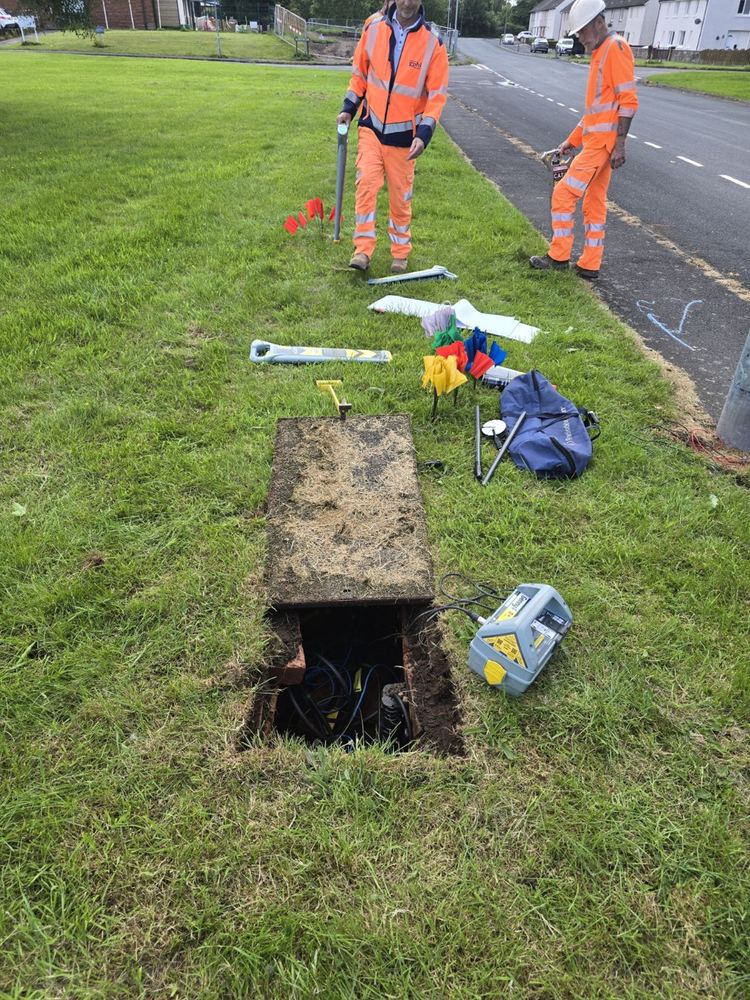
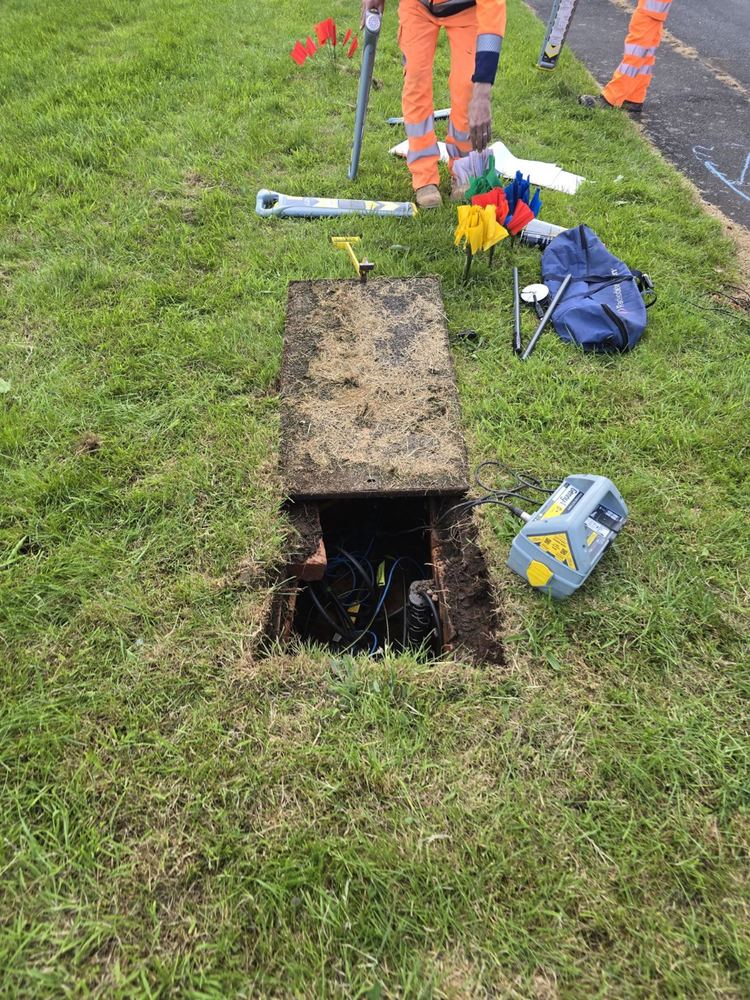
Clamp the comms cable at the access box, then trace it cleanly along its buried route on 131 kHz.
Cables you can reach above ground
Not every clamp needs a trial hole. Where a service is accessible above ground, a cable coming down a pole or running down a wall before it enters the ground, it can be clamped there in seconds and traced cleanly along its buried route. No excavation and no delay.
HV cables
HV is a strong case. There is no way to make a direct connection to an HV cable, and induction struggles because HV sits deeper and is often masked by the shallower cables above it. So the reliable way to get a signal onto HV is to expose it in a trial hole and clamp it. The team exposes the cable, confirms its position, and clamps it, and from that point it traces cleanly for the rest of the job. Because you cannot clamp HV without exposing it first, carrying a clamp encourages a trial hole to be dug on it.
04 · The cost case
A signal clamp is not expensive kit. List price is around £331, and with the discounts usually available it works out closer to £215, one per Genny and CAT set.
~£215
Typical cost of a signal clamp after discount. One per Genny and CAT set.
Far more
The cost of a single utility strike: repair, standby, delay, reinstatement, and the client penalty.
Set the price of the clamp against the cost of a single utility strike: the repair, the standby, the programme delay and reinstatement, and the client penalty. A clamp pays for itself many times over the first time it prevents a strike. As risk reduction per pound spent, there are few better buys.
The bottom line
The value of a signal clamp comes down to one thing, a confident trace instead of a guess. It finds services that induction cannot follow, it separates one cable from the crowd in congested ground, and it puts a clean signal on the services that are hardest to find any other way. Every confident trace is a strike that does not happen.
If your teams carry a Genny and CAT but not a clamp, they are working without the one tool that covers the hardest services to find. It is a small addition to the kit and a large addition to what they can safely locate. Using one well is a skill worth training for, as part of a Genny-First approach to safe location. Sygma covers the clamp alongside every other signal-application method on our CAT and Genny Training and Cable Avoidance Training courses.
Frequently Asked Questions
What is a signal clamp?
A signal clamp, sometimes called an induction clamp, is an accessory for the Genny. It clips around a cable or pipe at an accessible point and applies the locating signal to that one service without cutting into it or interrupting the supply, so the CAT can then follow it.
When do you use a signal clamp instead of induction?
Use a clamp when you need a clean signal on one specific service rather than a broad signal across everything nearby. That covers congested ground where induction lights up too many services, comms cables that a 33 kHz induction signal cannot follow, and any cable you can reach at an access point.
Can you use a signal clamp on a live cable?
Yes. The clamp applies the signal by induction through a closed core around the cable, without any direct electrical connection, so it is safe to use on live services where clipping a direct connection lead would not be.
What frequency does a signal clamp use?
Because the clamp is a form of connection, the Genny can drive it at both 33 kHz and 131 kHz. Standard induction is limited to 33 kHz. The higher 131 kHz frequency is what high-resistance lines such as communications cables need to carry a usable signal.