Utility Mapping
TSA + ICES Utility Mapping Training | 7 Modules
The UK's most comprehensive utility surveyor training programme. Seven modules. Seventeen-plus days. Every ICES competency from desktop survey and PAS128 reconnaissance through to advanced GPR post processing, total stations, GNSS, geometric principles and CAD. Approved by TSA and mapped to ICES competencies across GEUS01, GEUS02, GEUS03 and GEUS04. The pathway to ProQual Level 4 and Level 5 for professional utility surveyors.
7 Modules
17+ training days across the full programme
TSA Approved
Survey Association approved delivery
ICES Mapped
Full ICES competency coverage for utility mapping
What This Programme Is
A Structured Pathway to Full Professional Competency
Most utility surveyor training providers offer individual courses. Sygma Solutions' TSA and ICES Utility Mapping Programme is different. It is a structured, seven-module training course designed to develop the full range of competencies required for professional utility mapping across the utility sector, as defined by the Institution of Civil Engineers Surveyors (ICES) competency framework. This utility surveyor training programme covers the complete surveying methodology from desktop research through to geospatial data collection on infrastructure projects.
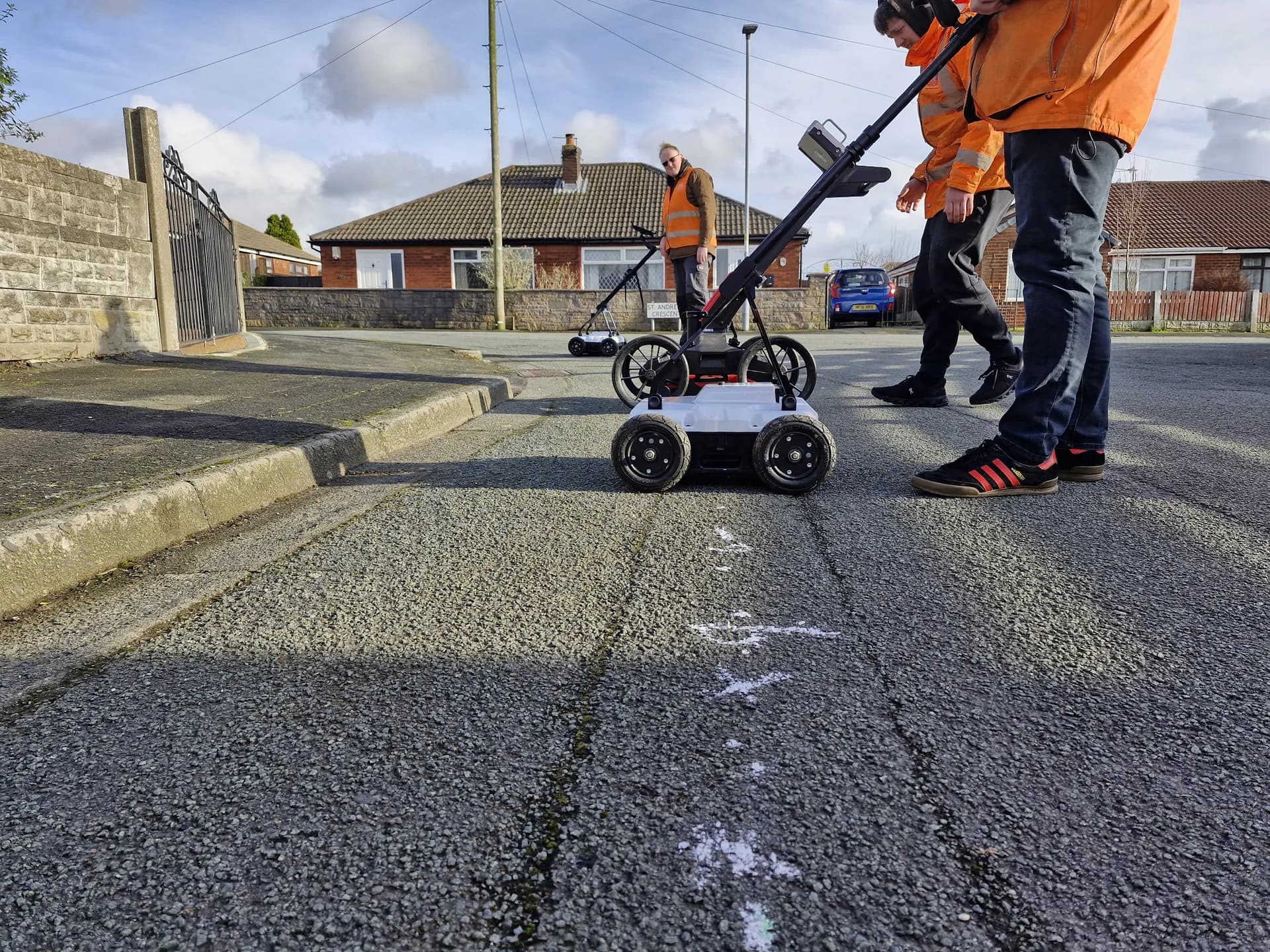
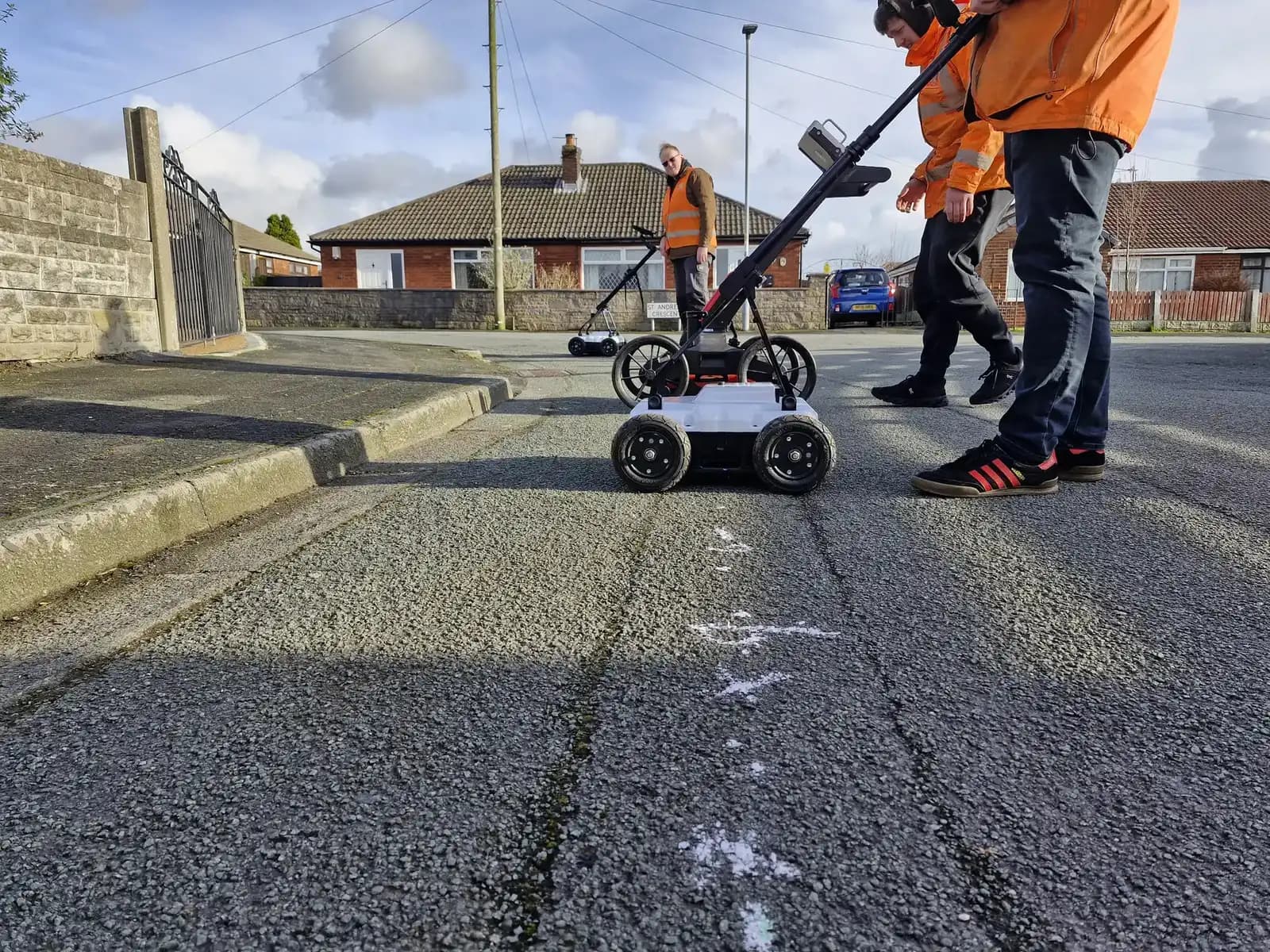
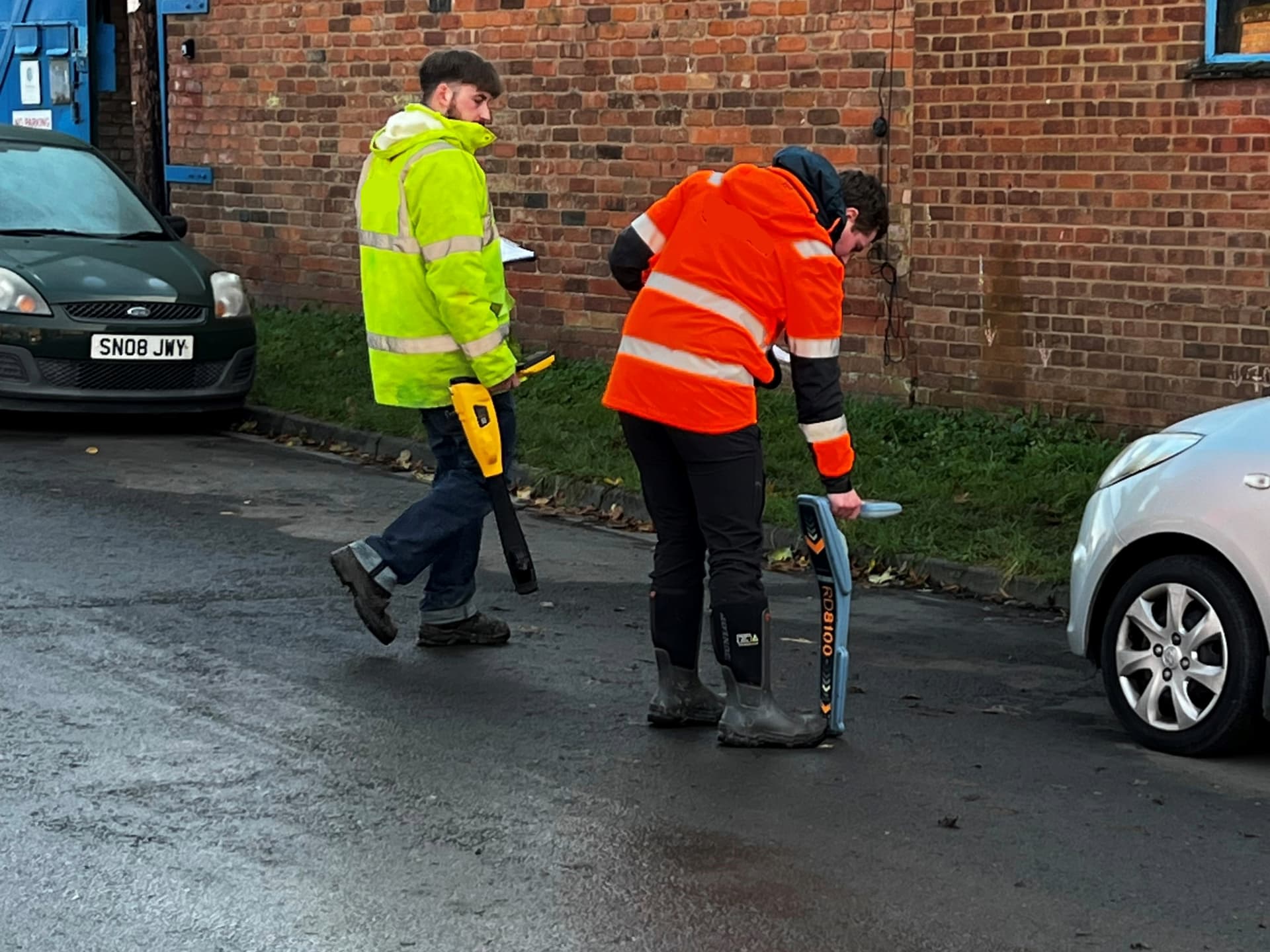
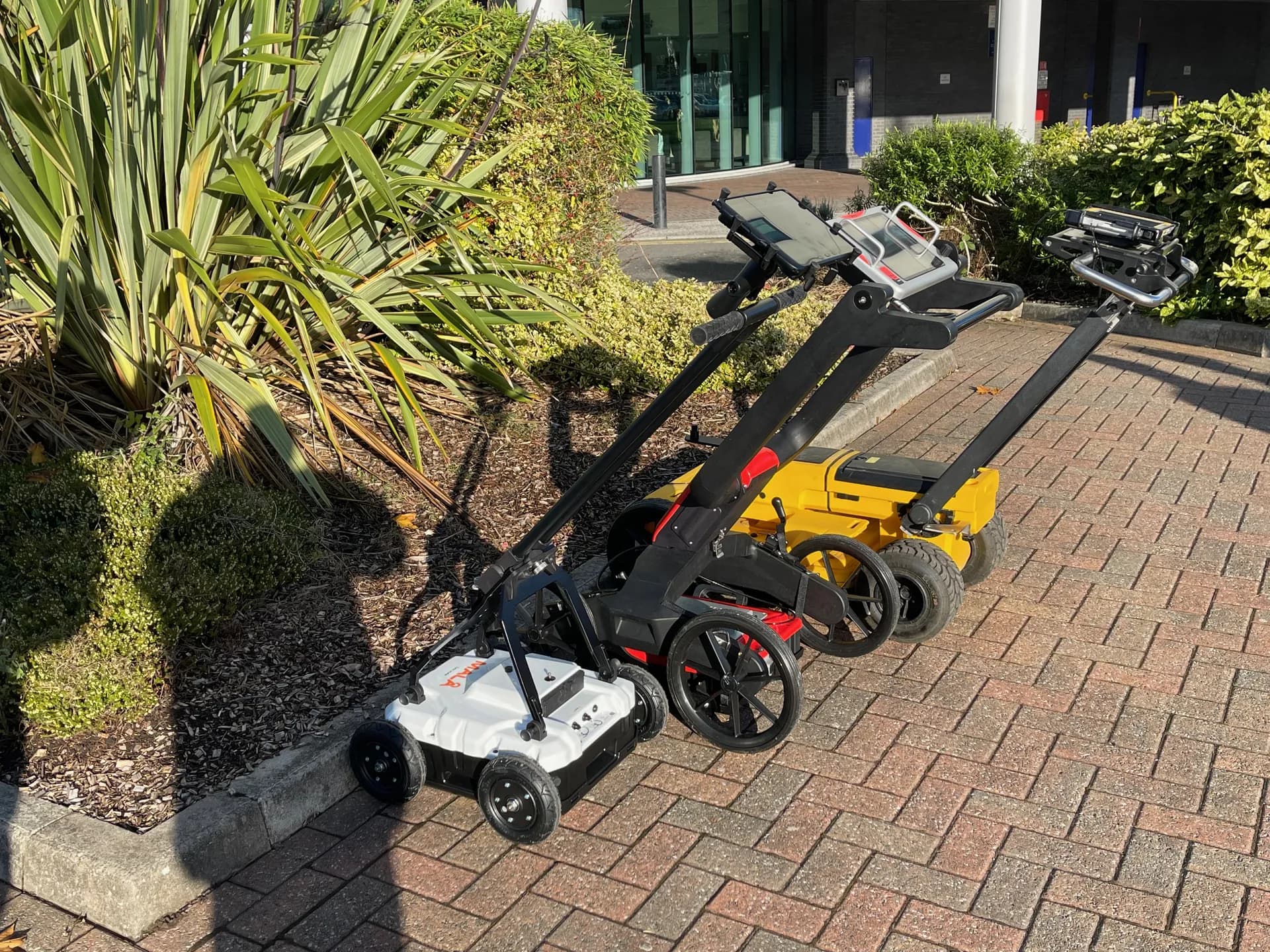
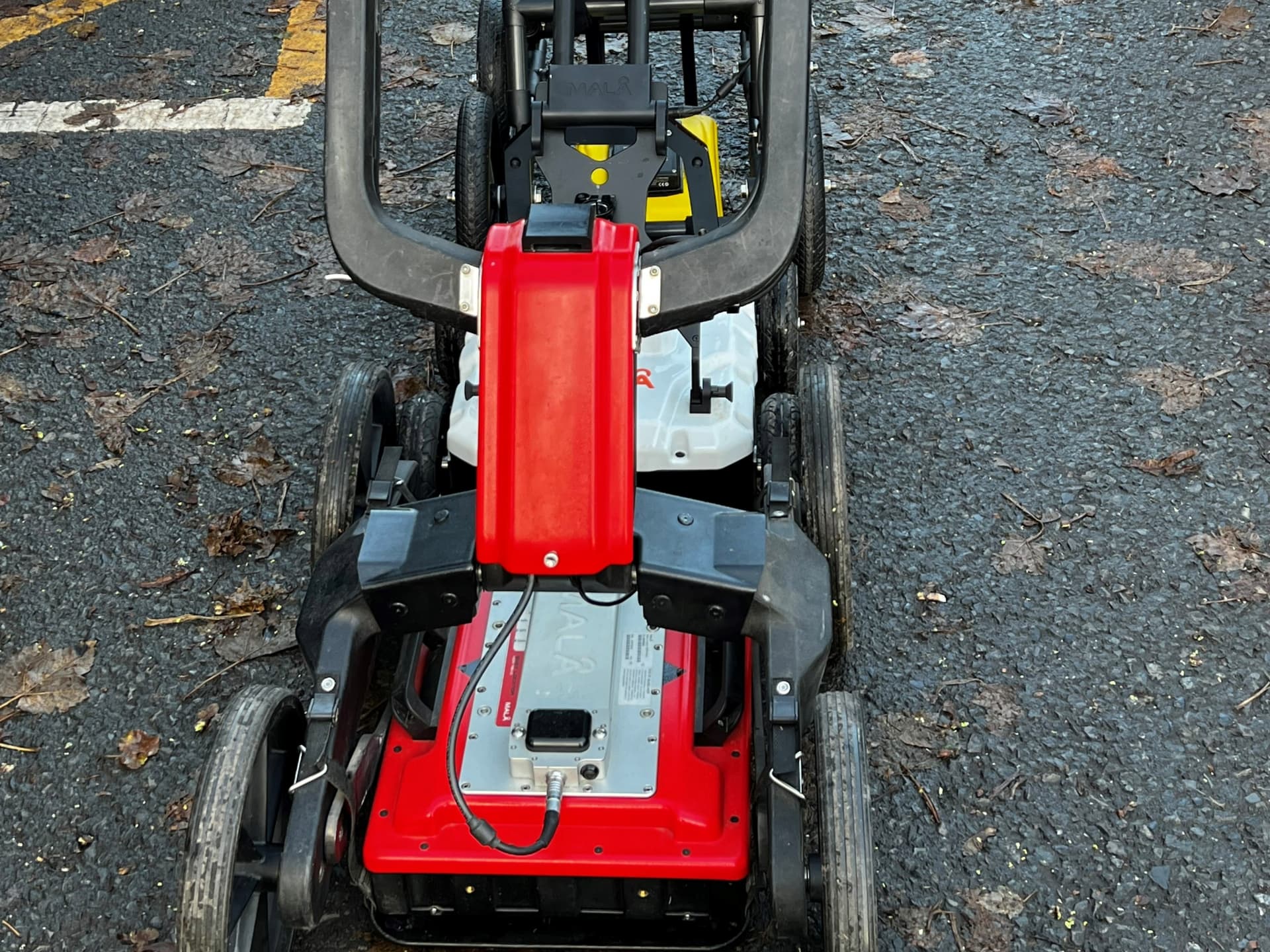
The programme covers everything from PAS128 desktop surveys using stats plans and site reconnaissance in Module 1 through to the application of ICT in utility surveying in Module 7. In between, delegates progress through advanced electromagnetic locating using an EM locator in passive modes and at different frequencies, ground penetrating radar GPR theory and post processing, surveying instruments including total stations and GNSS, and the geometric principles that underpin high-accuracy subsurface mapping. Each utility survey module builds practical skills in locating buried services across utility networks and different situations.
The full programme is 17 or more days of structured training spread across all seven modules. Individual modules can be completed as standalone courses or combined. Modules 3 and 4 (GPR theory and advanced post processing) are frequently taken together as a standalone three-day course.
For those working towards ProQual Level 4 or Level 5 qualifications in Utility Mapping and Surveying, this programme provides the training evidence and competency foundation those qualifications require.
Programme at a Glance
Audience
Designed For
| Who | Why |
|---|---|
| Utility surveyors developing towards ProQual Level 4 or Level 5 | The programme provides the structured training and competency evidence those qualifications require |
| Senior utility surveyors and mapping professionals | Formalises advanced skills and maps them to ICES competency standards |
| Utility mapping companies developing their survey teams | A defined, end-to-end training programme for career progression |
| Individuals seeking ICES corporate membership requirements | Modules map directly to ICES GEUS01-GEUS04 competencies |
| Those who have completed the 5 Day PAS128 course and want to continue | The programme extends and deepens the skills developed in the 5 Day course |
Programme Structure
A Complete Professional Training Programme
Seven modules covering every ICES competency required for professional utility mapping. The full programme runs to 17 or more days, with individual modules available standalone.
| Module | Duration | Title | ICES Competency |
|---|---|---|---|
| Module 1 | 1 day | Desktop Survey and Site Reconnaissance: PAS128 Level D and C | ICES GEUS01 A-D |
| Module 2 | 3 days | Advanced EM Locators: PAS128 Level B (EM) | ICES GEUS01 E and G |
| Module 3 | 1 day | GPR: PAS128 Level B (GPR) Unit A | ICES GEUS01 F Part 1 |
| Module 4 | 2 days | Advanced GPR Data Collection and Post Processing: Units B and C | ICES GEUS01 F Part 2 |
| Module 5 | 5 days | Use and Understanding of Surveying Instruments | ICES GEUS02 A-G |
| Module 6 | 4 days | Application of Geometric Principles | ICES GEUS03 A-E |
| Module 7 | 1 day | Ability to Use ICT in Surveying | ICES GEUS04 A-D |
Module Content
What Each Module Covers
Module 1
Desktop Survey and Site Reconnaissance (1 Day): ICES GEUS01 A-D
Module 2
Advanced EM Locators (3 Days): ICES GEUS01 E and G
Module 3
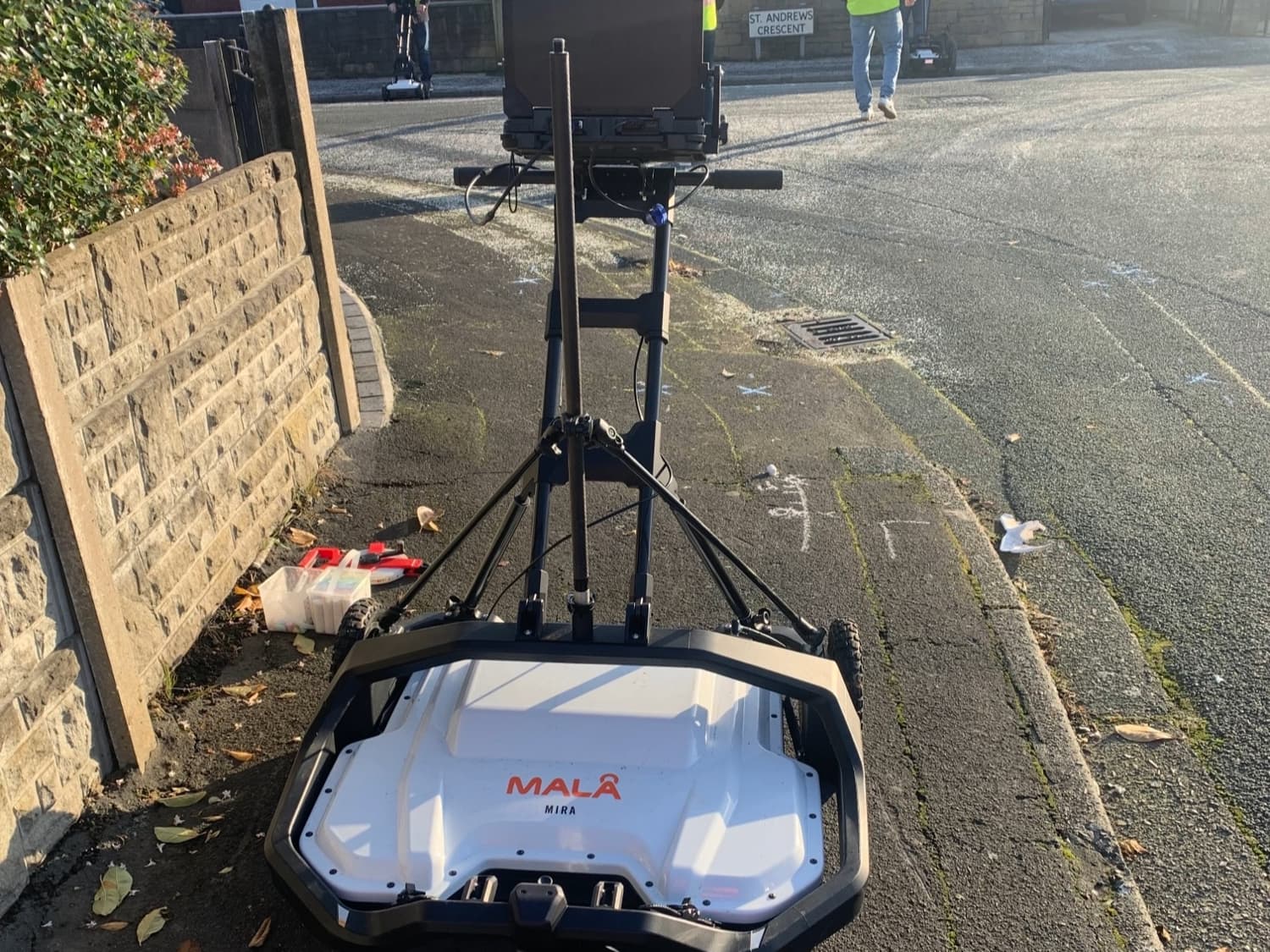
GPR Theory and Practical Use (1 Day): ICES GEUS01 F Part 1
Module 3 is a prerequisite for Module 4. Modules 3 and 4 can be taken together as a standalone three-day GPR course.
Module 4
Advanced GPR Data Collection and Post Processing (2 Days): ICES GEUS01 F Part 2
Module 5
Use and Understanding of Surveying Instruments (5 Days): ICES GEUS02 A-G
Module 6
Application of Geometric Principles (4 Days): ICES GEUS03 A-E
Module 7
ICT in Surveying (1 Day): ICES GEUS04 A-D
What You Get
At the End of This Course
TSA Certificate in Utility Mapping
TSA and ICES recognised certificate in utility mapping on completion of all seven modules. Delegates who successfully complete the course receive full professional recognition as a utility surveyor.
Portfolio Evidence
Documented portfolio evidence across all seven modules for professional records, including practical skills demonstrated to the examiner and methods learned throughout the programme.
CICES Membership Pathway
Eligibility to apply for Chartered Institution of Civil Engineering Surveyors membership, supporting your career in the utility sector.
Professional Recognition
Industry-recognised qualification for utility mapping and surveying career progression on infrastructure projects.
Assessment and Safety
How Utility Surveyor Training Is Assessed
Modules that include a practical operational test require delegates to demonstrate the methods learned under exam conditions. A written exam covers graphical and written questions on surveying methodology, basic electrical theory, and the knowledge required to successfully complete the course. Delegates must achieve the overall pass mark, and the exam score and overall exam score are recorded as part of your portfolio evidence.
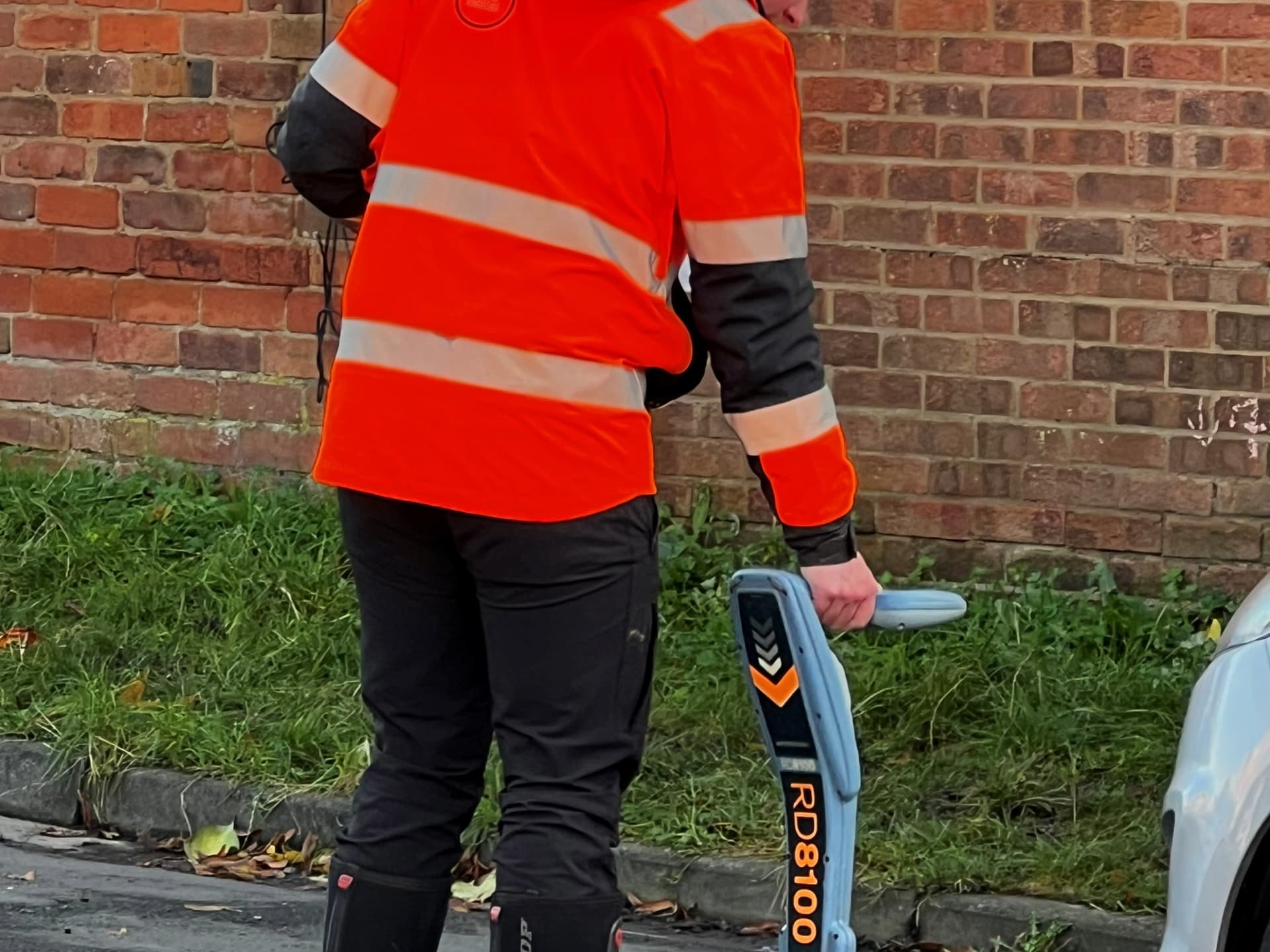
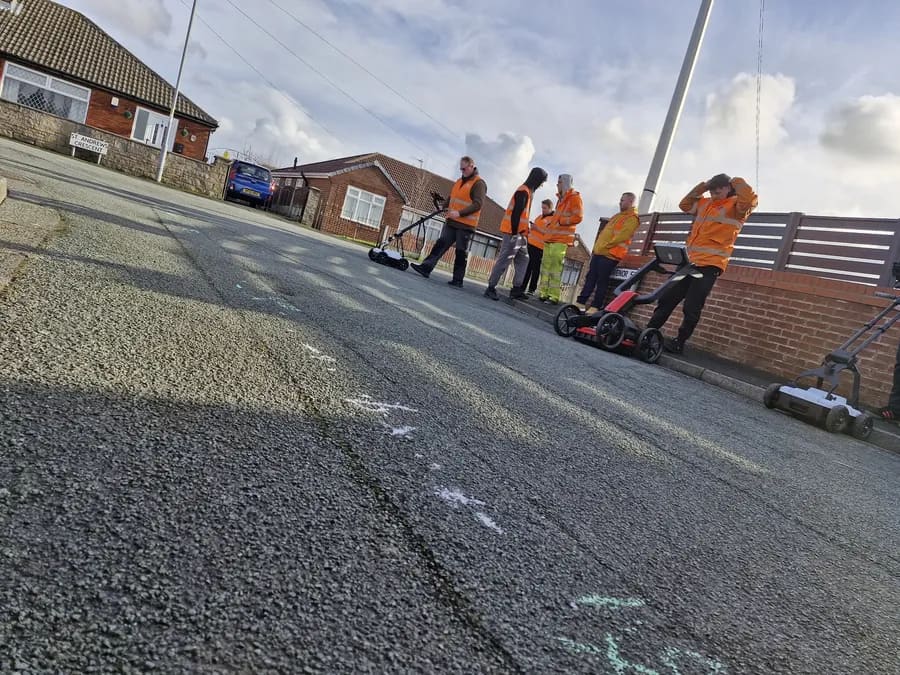
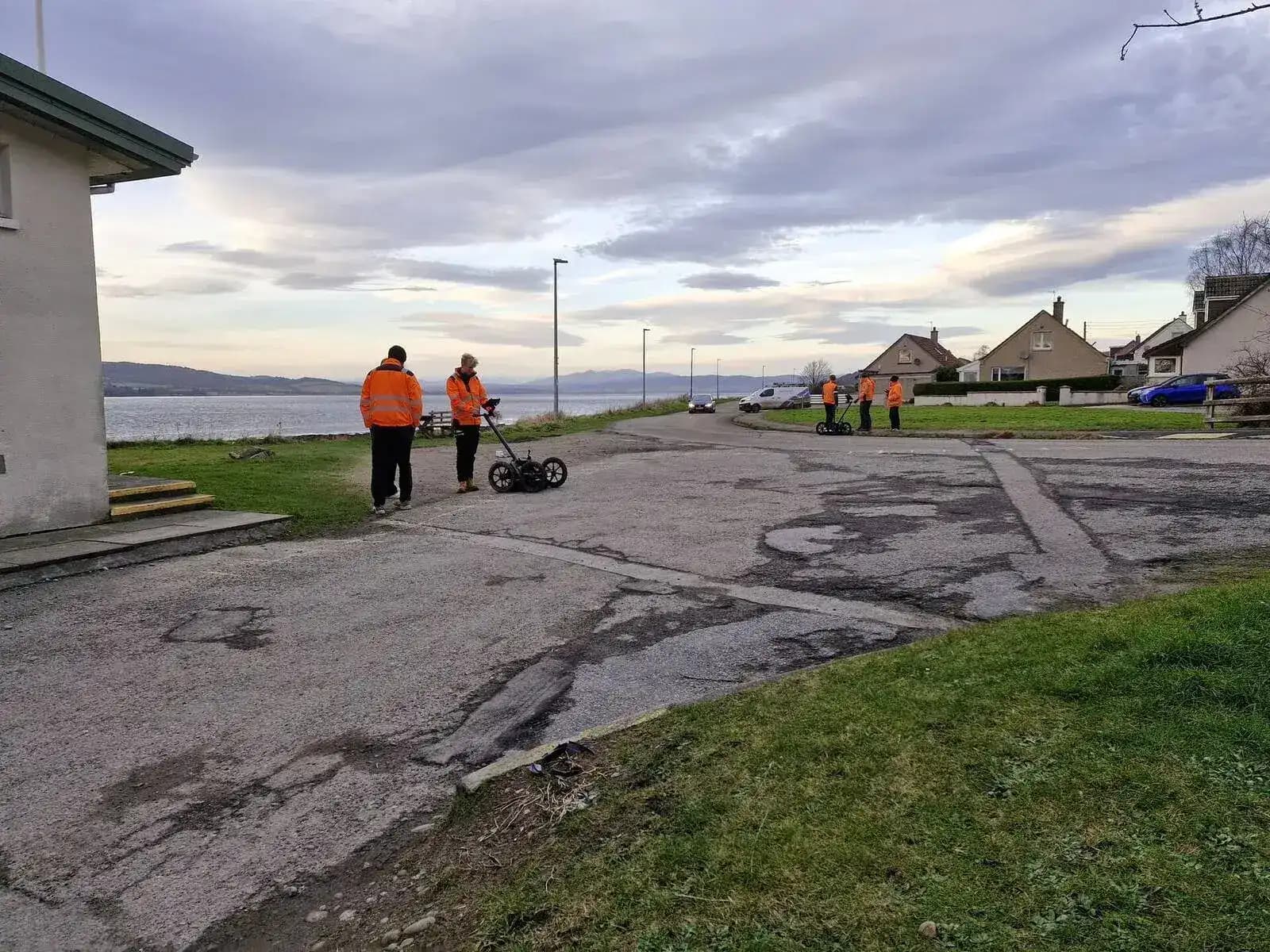
The practical test typically involves a two man team to survey a small site area on the same survey site, locating buried utilities in different situations using own equipment. Delegates must demonstrate competence in locating without a locator using stats plans and visual inspection, as well as with an EM locator at different frequencies. The practical approach is assessed against ICES competency criteria and demonstrated to the examiner in real survey conditions.
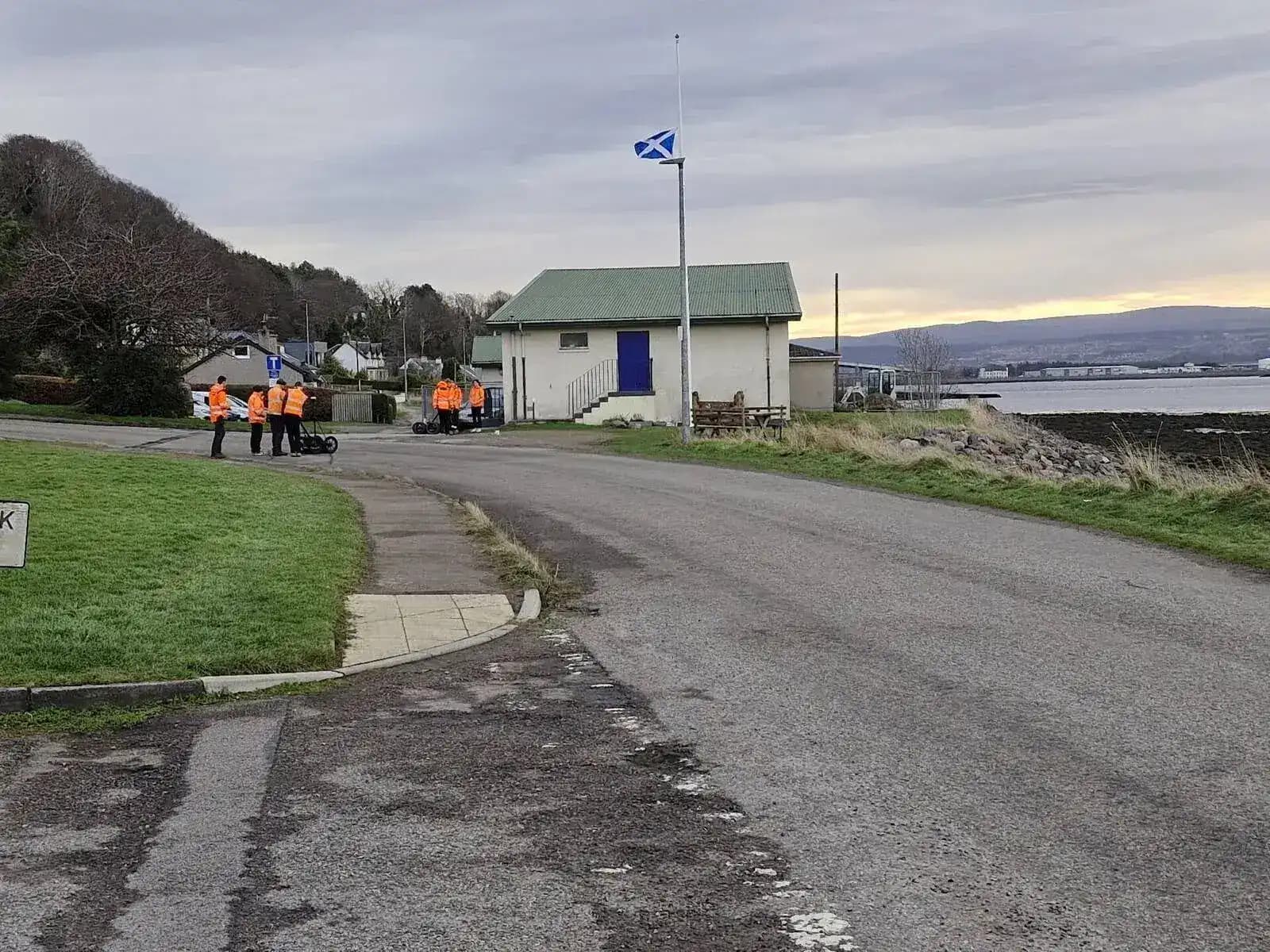
Safety is integrated throughout the utility surveyor training programme. Each module includes a risk assessment component, and delegates learn to work safely with appropriate PPE on live sites including power station compounds, quiet roads, and areas with buried services. Understanding ground conditions, distorted magnetic fields near electrical circuits, and signal direction when locating buried utilities are all essential practical skills covered in the programme.
Sygma Solutions provides all assessment materials and support. Delegates are required to successfully complete each module's assessments before progressing. The test two man team format ensures every utility surveyor can demonstrate practical competence in a typical utility survey environment.
Flexible Module Booking
How to Take the Programme
The programme is designed to be taken as a complete pathway but can also be accessed module by module. Individual modules are available as standalone courses for delegates with specific development needs.
| Option | What It Covers |
|---|---|
| Complete programme | All seven modules (full ICES competency coverage and ProQual Level 4 or 5 pathway evidence) |
| Modules 1-4 only | Full PAS128 B competency: desktop, site recon, advanced EM, GPR theory, GPR post processing |
| Modules 3 and 4 together | Three-day standalone GPR course: theory, practical use and post processing |
| Modules 5-7 | Surveying instruments, geometric principles and ICT (for those already competent in PAS128 detection methods) |
| Individual modules | Any module can be taken standalone based on specific development needs |
Qualification Pathway
The Route to ProQual Level 4 and Level 5
The TSA and ICES Utility Mapping Programme provides the structured training evidence that underpins the ProQual Level 4 Diploma and Level 5 Diploma in Utility Mapping and Surveying. Delegates completing the programme generate assessed portfolio evidence across all ICES competency domains. Sygma Solutions is the only provider offering the complete pathway from this utility surveyor training programme through to a certificate in utility mapping at every ProQual level.
| Qualification | ICES Competencies Required |
|---|---|
| ProQual Level 3 Certificate | GEUS01 A-G, F Part 1 |
| ProQual Level 4 Diploma | Full GEUS01, GEUS02 A-G |
| ProQual Level 5 Diploma | Full GEUS01-GEUS04 |
Why Sygma
Why Train With Sygma?
TSA Approved
Sygma is an approved TSA training provider for utility mapping and surveying.
Led by Working Utility Surveyors
Trainers who actively work in utility surveying on infrastructure projects and bring real knowledge of surveying methodology and ground conditions to every module.
Independent
Sygma is independent and owns the training process from start to finish.
Practical Assessment
Every module includes a practical operational test and assessment, not just theory. Delegates locate buried services on a real survey site and demonstrate practical skills to the examiner.
Flexible Delivery
Open courses throughout the year or private in-house delivery for teams.
Career Pathway
The programme directly supports ProQual Level 4 and Level 5 qualifications.
CITB Employer Network Funding
Sygma is a CITB ATO. Contact your CITB Employer Network adviser about funding support for the TSA and ICES programme. Availability varies by employer and is not guaranteed.
Related Training
Related Courses and Qualifications
5 Day PAS128 Surveyor Course
Covers Modules 1 to 3 content in one intensive week, with written exam and practical assessment. A natural first step before the wider programme.
GPR Training
Equivalent to Modules 3 and 4 as standalone GPR training. Module 1 (theory and practical use) and Module 2 (advanced post processing) available individually or combined.
PAS128 Awareness
Entry-level awareness of the PAS128 standard for those who commission, receive or act on utility surveys.
ProQual Level 3 Certificate
The first nationally recognised qualification on the utility mapping pathway. Evidence from Modules 1-3 supports this qualification.
ProQual Level 4 Diploma
Higher-level qualification requiring evidence from Modules 1-5. The programme provides the training foundation.
ProQual Level 5 Diploma
The full professional qualification requiring evidence from all seven modules across GEUS01-GEUS04.
Common Questions
Frequently Asked Questions
Do I need to complete all seven modules?
No. Individual modules can be taken as standalone courses. Many delegates focus on Modules 1 to 4 for PAS128 competency, or on Modules 3 and 4 together as a three-day GPR course. The full seven-module programme is the route to complete ICES competency coverage and to the ProQual Level 4 and Level 5 qualifications.
What is the prerequisite for Module 4?
Module 3 (or equivalent GPR knowledge) is a prerequisite for Module 4. Delegates attending Module 4 should already understand GPR fundamentals, either from Module 3 or from equivalent prior training. Modules 3 and 4 are frequently taken back to back as a three-day course.
How does this programme relate to ProQual Level 4 and Level 5?
The programme provides structured training evidence that forms the foundation of ProQual Level 4 and Level 5 submissions. The seven modules map directly to the ICES competency domains required for those qualifications. Speak to the bookings team about how to plan your training and qualification pathway together.
Can modules be taken in any order?
Generally yes, with the exception of Module 4 which requires Module 3 as a prerequisite. For delegates working towards ProQual Level 4 or Level 5, completing modules in order provides the most logical progression and makes portfolio building easier.
Is this programme available in-house?
Yes. All modules are available as private in-house courses. This is the preferred option for teams, as it allows scheduling to fit around operational demands. Contact the bookings team to plan a delivery schedule.
How is this different from the 5 Day PAS128 Surveyor Course?
The 5 Day PAS128 Surveyor Course covers the content of Modules 1 to 3 in an intensive week, with a written exam and practical assessment included. The TSA and ICES programme is broader and longer, adding advanced GPR post processing, surveying instruments, geometric principles and ICT (Modules 4 to 7). For those entering utility mapping, the 5 Day course is often the natural first step before progressing into the wider programme.
What does the written exam cover?
The written exam includes graphical and written questions covering basic electrical theory, electromagnetic theory, surveying methodology, stats plans interpretation, and knowledge of how an EM locator works including signal direction and current direction. Delegates must achieve the overall pass mark under formal exam conditions. The exam score and overall exam score contribute to your portfolio evidence alongside the practical operational test results.
What safety training is included?
Safety is woven throughout the utility surveyor training programme. Modules cover risk assessment procedures, use of appropriate PPE, working safely on live sites including power station compounds and quiet roads, understanding ground conditions that affect locating accuracy, and recognising distorted magnetic fields near electrical circuits. Delegates learn to locate buried services and buried utilities safely in different situations, reducing the risk of utility strikes on infrastructure projects.
What practical field work is involved?
The practical elements include a test where a two man team to survey a small site area must locate buried services on the same survey site using own equipment. Delegates practise locating without a locator using stats plans and visual clues, as well as with an EM locator in passive modes and at different frequencies. They record actual findings on a blank base plan, mark assumed routes, and provide a rough sketch of the utility survey. The practical approach covers a typical utility survey from start to finish across different situations and ground conditions.
Enquire About the TSA and ICES Utility Mapping Programme
Open course dates available for individual utility surveyor training modules throughout the year. Private in-house delivery of the full training course or selected modules can be arranged for teams. Contact Sygma Solutions to plan your training pathway.