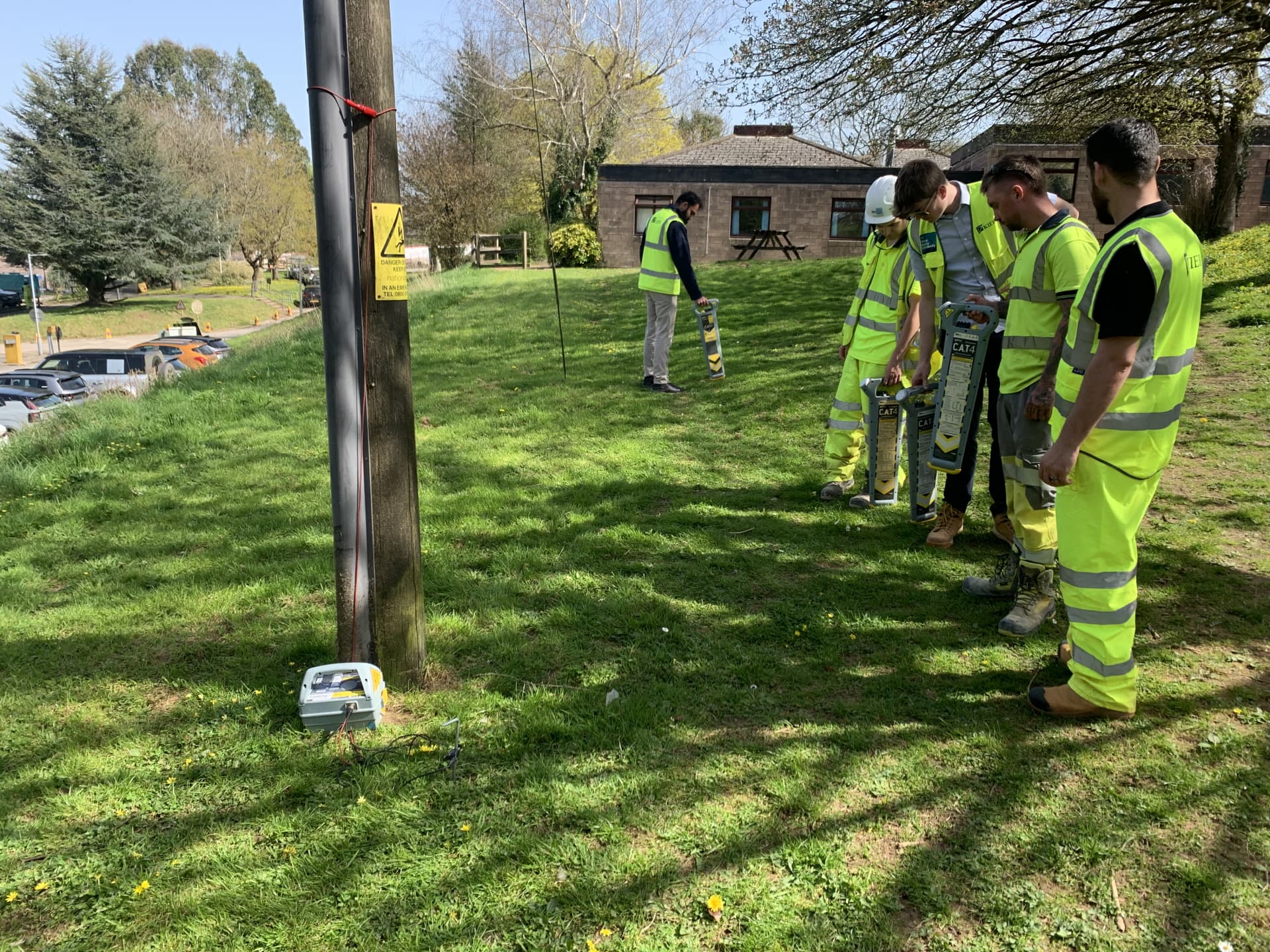
Duration
Two days
Classroom + practical, flexible
Group size
Max 6
Per trainer
Delivery
On-site UK-wide
or our Wigan centre
Prerequisite
EUS Cat 1
or equivalent (not Cat 2)
Accredited & approved by


Prerequisite: each delegate must already hold EUS Cat 1 (or equivalent). This is an advanced course that builds on Cat 1 — Cat 2 is not required. Maximum 6 delegates per trainer.
Three ways to take Super User
The same advanced two-day Super User course, in three flavours. Pick the one that matches the role — or the combined course if you need both.
Damage Investigations
For safety professionals and technical leads who need a deep understanding of the kit and the data, and how to conduct a strike investigation to a completed USAG form.
Coaching
For those in a supervisory or support role backing teams on site: coaching, assessing and signing off site operatives.
Coaching & Investigations
Viewing this oneFor those who need to do both: run the investigation and coach the team off the back of it. The complete Super User.
Already a Super User? Keep it current with the one-day Super User Refresher.
Course objectives
Locate in their own right, then investigate strikes, analyse the data, and coach and assess others.
Over two flexible days of classroom and practical, alternating between inside and outside time to find the right mix, every delegate will be able to:
- ✓Understand the risks related to utility strikes and HSG47
- ✓Conduct a utility survey pre-excavation
- ✓Download CAT data, and export and analyse it
- ✓Understand how the data applies to site surveying
- ✓Complete a permit to dig
- ✓Be practically competent in the use of location equipment
- ✓Support teams on site in utility location and avoidance
- ✓Coach and complete a documented assessment on site operatives
- ✓Complete on-site assessments in utility location and avoidance
- ✓Conduct a utility strike investigation and complete a USAG cable strike form
- ✓Advanced knowledge in the theory of Genny and CAT operation
- ✓Know what to look for in a site survey
Certificate options
Your choice of certificate
The course is identical whichever certificate you choose. Pick the one your scheme or client requires.
Certificate fees are separate from the course price. The EUSR registration fee is charged per person, on top of the course fee. The course itself is quoted separately, based on your numbers and delivery.
Sygma certificate
Sygma In-House
Includedno certificate fee
Our own Super User certificate of competence, issued on completion.
EUSR registration
EUSR
+£34per person
Nationally recognised EUSR registration card.
In the classroom
Classroom
Advanced theory across the kit, the data and the legislation — the full depth a Super User needs before supporting, assessing and investigating on live sites.
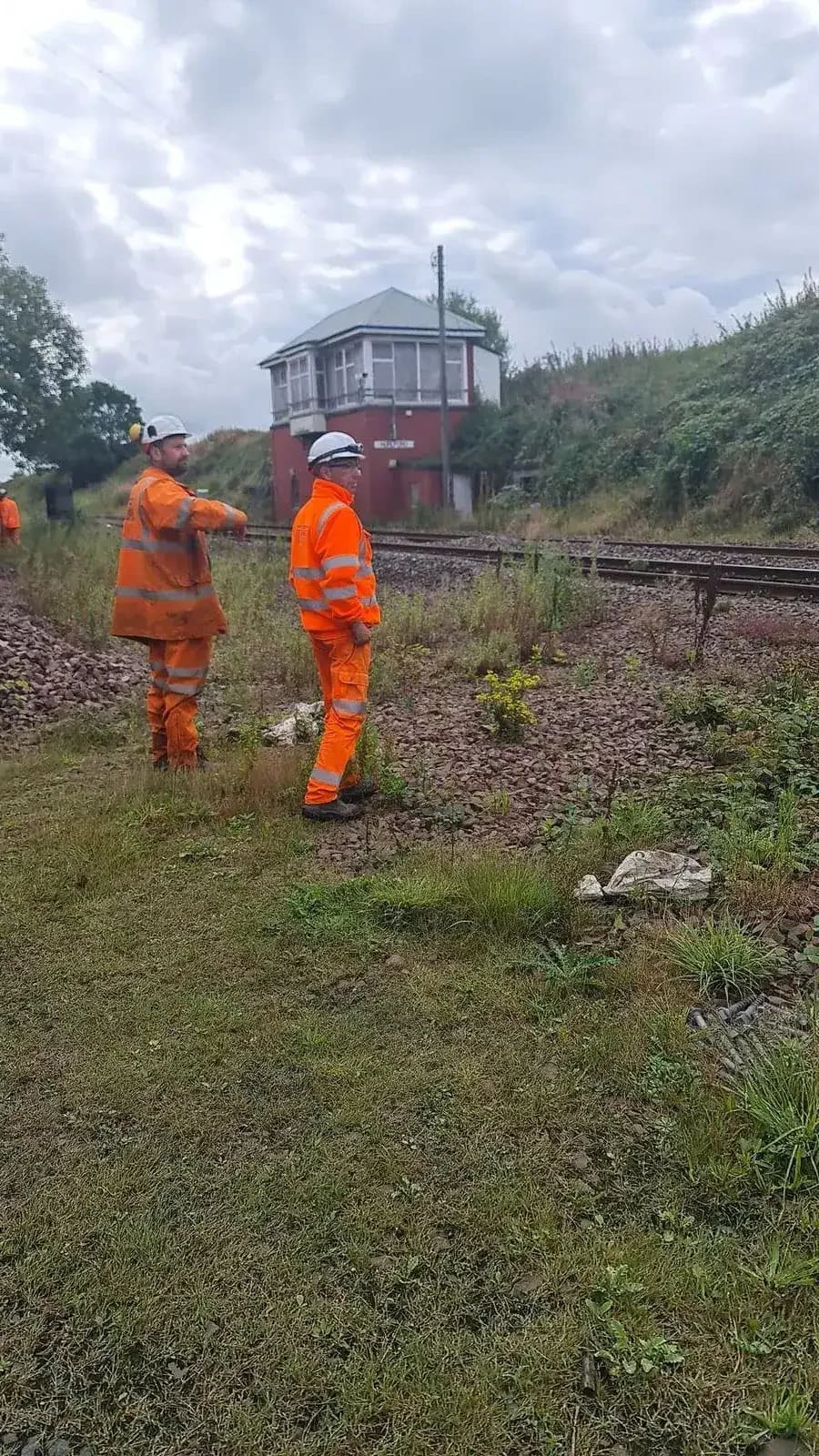
Risk, legislation & safe digging
4 topicsUnderground service strikes — the risks & HSG47
The real risks of striking a buried service, and how the course content maps to HSG47.
Permit to dig
How to complete and sign off a permit to dig, and where it sits within the company's safe system of work.
Company policy & safe-dig policy
How the techniques apply to the company's own policies and safe-digging procedures.
Company examples of strikes & lessons learned
Real, company-specific examples of utility strikes worked through in the classroom, and the lessons taken from each.
Plans & survey planning
3 topicsBuried Service Plans (STATS)
Interpreting different plan types — including their inaccuracies and limitations — and using the plans to plan the correct detection technique.
Planning the detection technique
How to use the plans to plan the correct utility detection technique for the site in front of you.
Complex utility networks
Worked examples of complex networks and how to plan and perform the utility survey across them.
Advanced detection theory & equipment
7 topicsElectromagnetic theory & myth-busting
How a pipe & cable locator works, the theory and its limitations, tips & tricks, and an honest account of what the equipment can and cannot locate.
Promoting Genny-first with site teams
How to effectively promote the message of Genny-first with the teams you support.
Controls & operation
Correct use of the cable locator and signal transmitter in all modes, with strong emphasis on transmitter (Genny) use.
Signal interpretation
Interpreting the signal, and locating service joints and changes of direction and depth.
Signal distortion
Signal distortion and its effects on location accuracy.
Transmitter techniques
Dual-frequency applications and capacitance for small or non-earthed cables; effective earthing and earth positioning; blind induction search and effective nulling of services.
Depth estimation
How to perform depth readings and how to test the results.
CAT data download & analysis
5 topicsCAT Manager — getting the data
How to get the recorded data off the CAT.
Exporting the data
Exporting the data to CSV and KML files.
CAT Analysis tool & reports
Importing the data into the CAT Analysis tool and creating reports.
CAT Manager Online & reports
Importing data into CAT Manager Online and creating reports.
Reading the data
Analysing raw data — looking at usage patterns and spotting good and bad practice in how the kit is being used on site.
Utility strike investigation
4 topicsConducting a strike investigation
How to conduct a utility-strike investigation — establishing what happened on site and why.
Completing the USAG strike form
Completing the USAG utility strike report form accurately and in full.
Data as evidence
Using downloaded CAT data and usage patterns as evidence — spotting the good and bad practice behind an incident.
Lessons learned
Turning findings into lessons learned and feeding them back into safe-dig practice to prevent recurrence.
Coaching & assessing others
1 topicCoaching others
Coaching tips, and assessment planning and structure — how to support and assess site operatives effectively.
On the ground · the practical
Practical, investigation & coaching
A flexible mix of inside and outside time over the two days. Strong emphasis on the Genny throughout — proving competence as an operator, turning the data into evidence for a strike investigation, and coaching and assessing others.
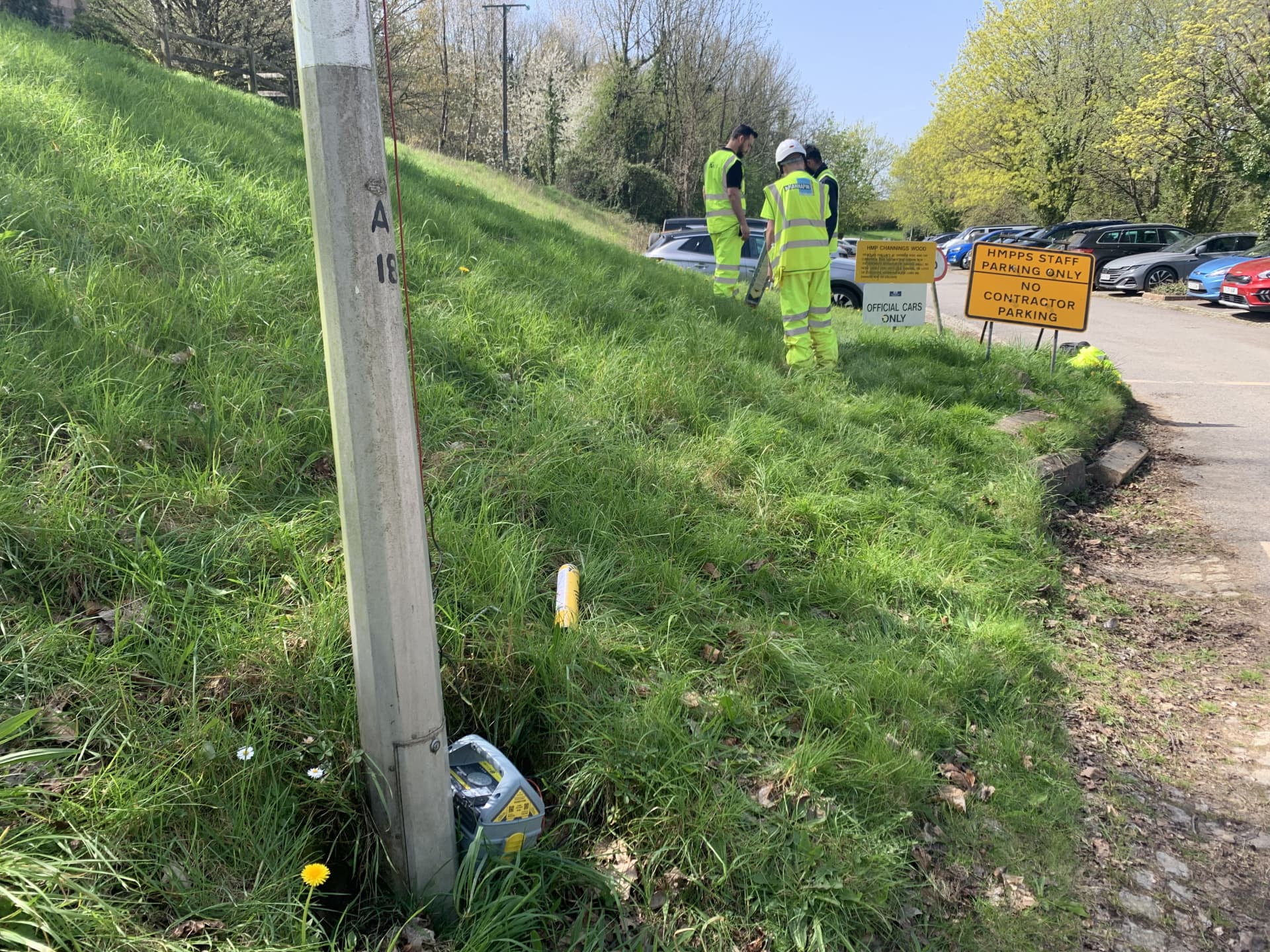
Utility survey & location, all modes
Advanced, confident use of the kit across a full utility survey — led with the Genny, on real ground.
- Use service plans and existing site information to establish routes, with visual checks before any work begins
- Correct use of the equipment in all modes, confirming and locating buried mains & services from the plans and visual inspection
- The benefits of always using the cable locator & signal transmitter combination, including dual frequency where applicable
- Conduct a utility survey starting with the Genny
- Street-light locating
- LV service and main tracing, including the location of joints
- HV detection
- Communication cable location
- Induction — including blind sweeps and nulling out
- Applying capacitance techniques
- The effect of repositioning the Genny earth
- A practical assessment on each delegate
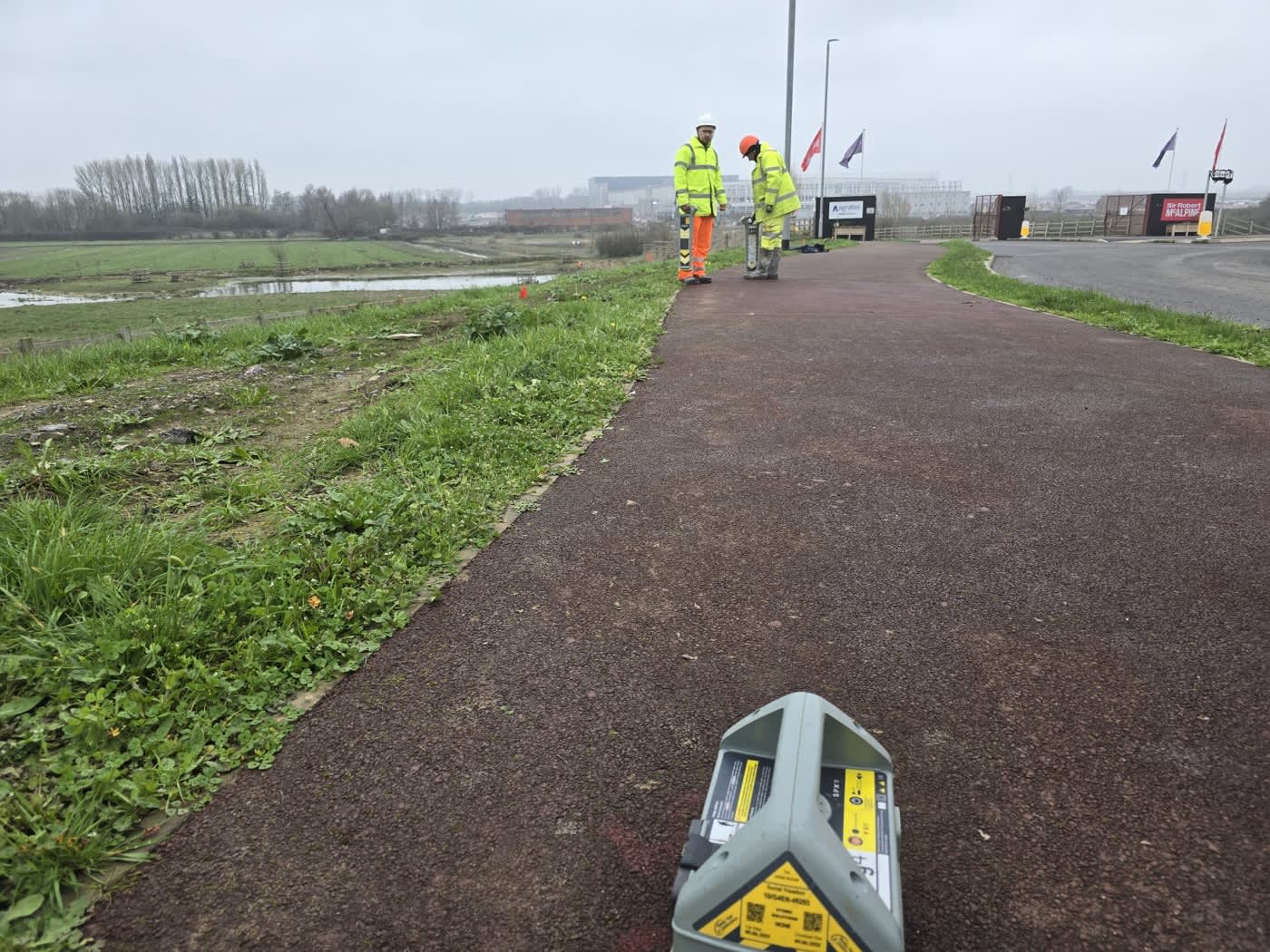
Strike investigation & data analysis
Turning the kit and its data into evidence — download, analyse, and work an investigation to a completed USAG form.
- Download the recorded data off the CAT and export it to CSV and KML files
- Import the data into the CAT Analysis tool and CAT Manager Online, and create reports
- Analyse raw data — usage patterns, and good and bad practice on site
- Work a utility strike investigation from the evidence
- Complete a USAG utility strike report form
- Problem scenarios found on site and resolved
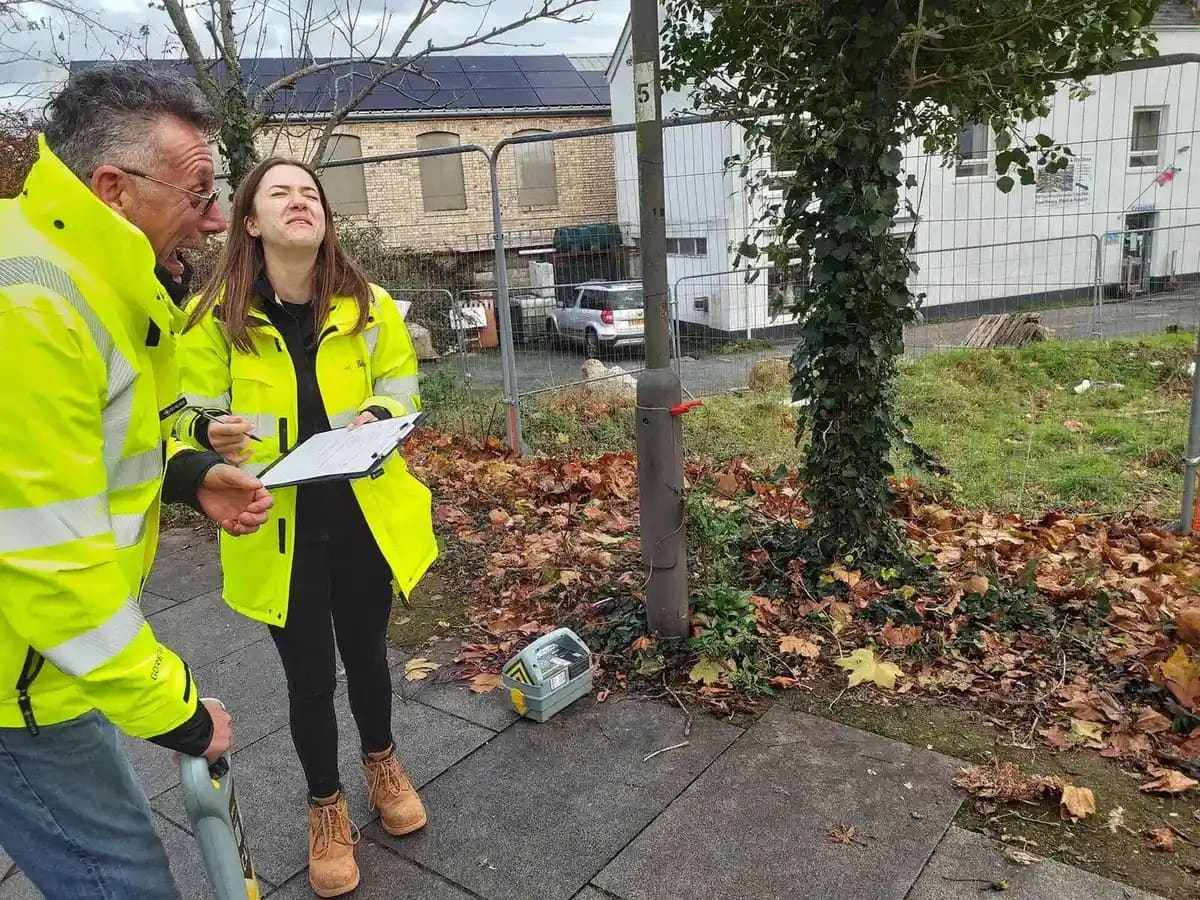
Coaching & assessing others
The Super User difference — proving you can locate in your own right, then coach and assess others.
- Delegates coach and assess each other, with Sygma supporting individually — ideally on working teams nearby
- More hands-on time with the equipment, with individual support
- Complete assessment forms and score each other
- Coaching tips, and assessment planning and structure
- Problem scenarios found on site and resolved
- Coaching competency checks — practical
On the day
What we need from the host site
Sygma bring the equipment, the trainer and the expertise. To run a full two-day Super User course, the site needs:
- ✓Each delegate must already hold EUS Cat 1 (or equivalent) — Cat 2 is not required
- ✓STATS plans (buried service drawings) for the practical site — Sygma can supply for an agreed cost
- ✓Ideally, access to working teams or live sites nearby for the on-site assessment element
- ✓Delegates ideally bring their own kit; Sygma bring enough Genny4 & C.A.T.4+ for a standard course (non-C.A.T.4+ kit: 1 locator per 3 people)
- ✓On-site parking suitable for a transit-sized van
- ✓A room that seats all delegates and the trainer, with welfare facilities and a wall or screen for a projector (or our Wigan centre)
- ✓Appropriate PPE per national, company and H&S requirements
- ✓A practical area with numerous buried metallic utilities nearby
- ✓Host risk assessment of the site and training room; brief the trainer on any risks
- ✓Government photographic ID per delegate (driving licence, passport or residence permit)
Assessment
Assessed continuously across the two days
Delegates complete several assessments across the two days:
- Written questions in the classroom: 16 questions, pass mark 13
- Each delegate completes their own POW risk assessment before the practical
- Assessment 1 — the Sygma practical: locating services in their own right
- A worked utility strike investigation, evidenced with CAT data and a completed USAG form
- Assessment 2 — coaching and assessing others effectively, using the Assessment 1 document alongside the Sygma coaching sheet
- A permit to break ground — customer-specific where possible, otherwise the Sygma permit
Accreditation & standards
Builds on EUS Cat 1, to HSG47
An advanced competency course covering advanced location, CAT data analysis, and utility-strike investigation to the USAG standard:
Next step
Arrange this course or check dates
On-site UK-wide or at our Wigan centre. Send us your numbers and location and we'll come back with dates and a price.