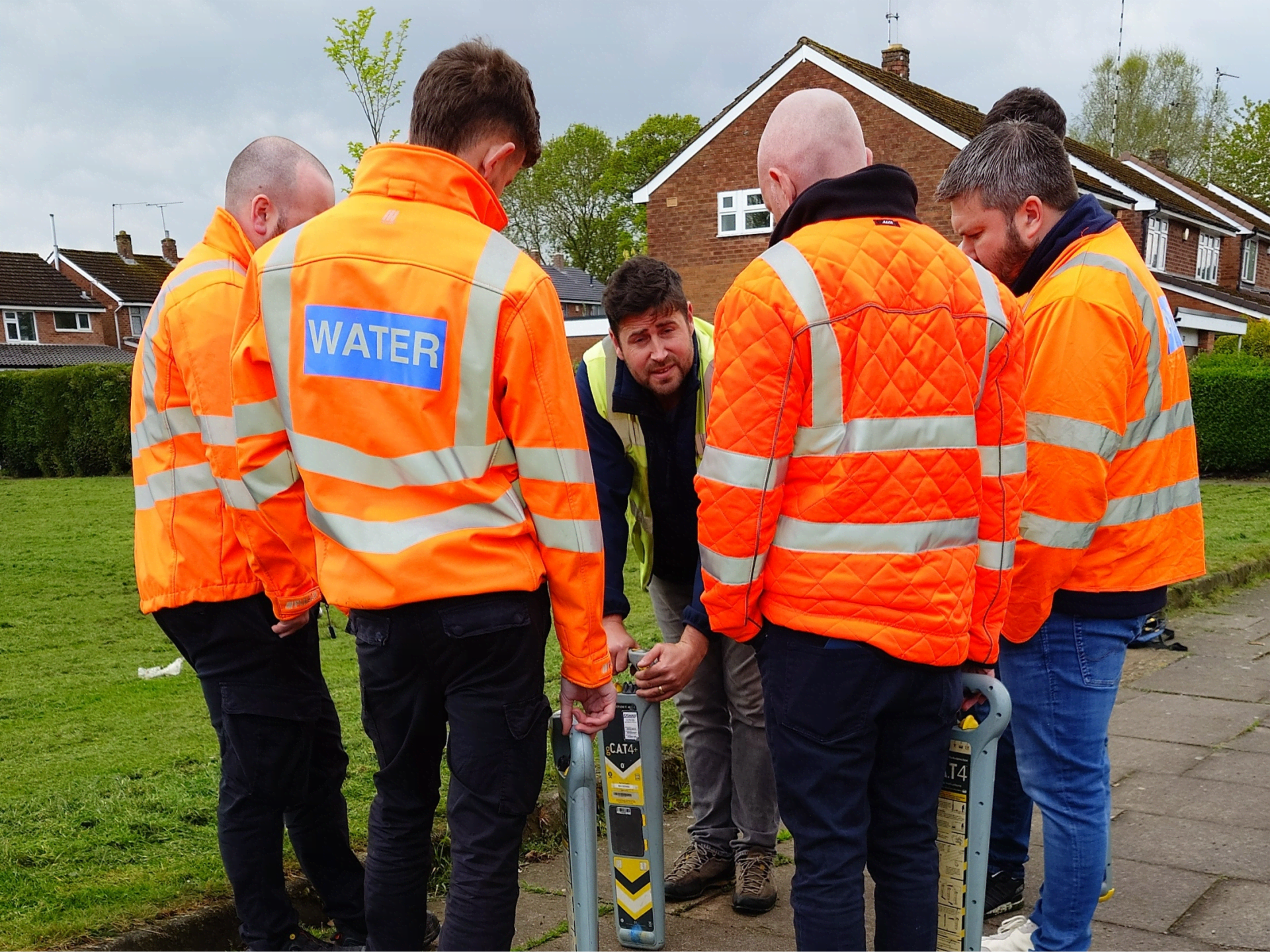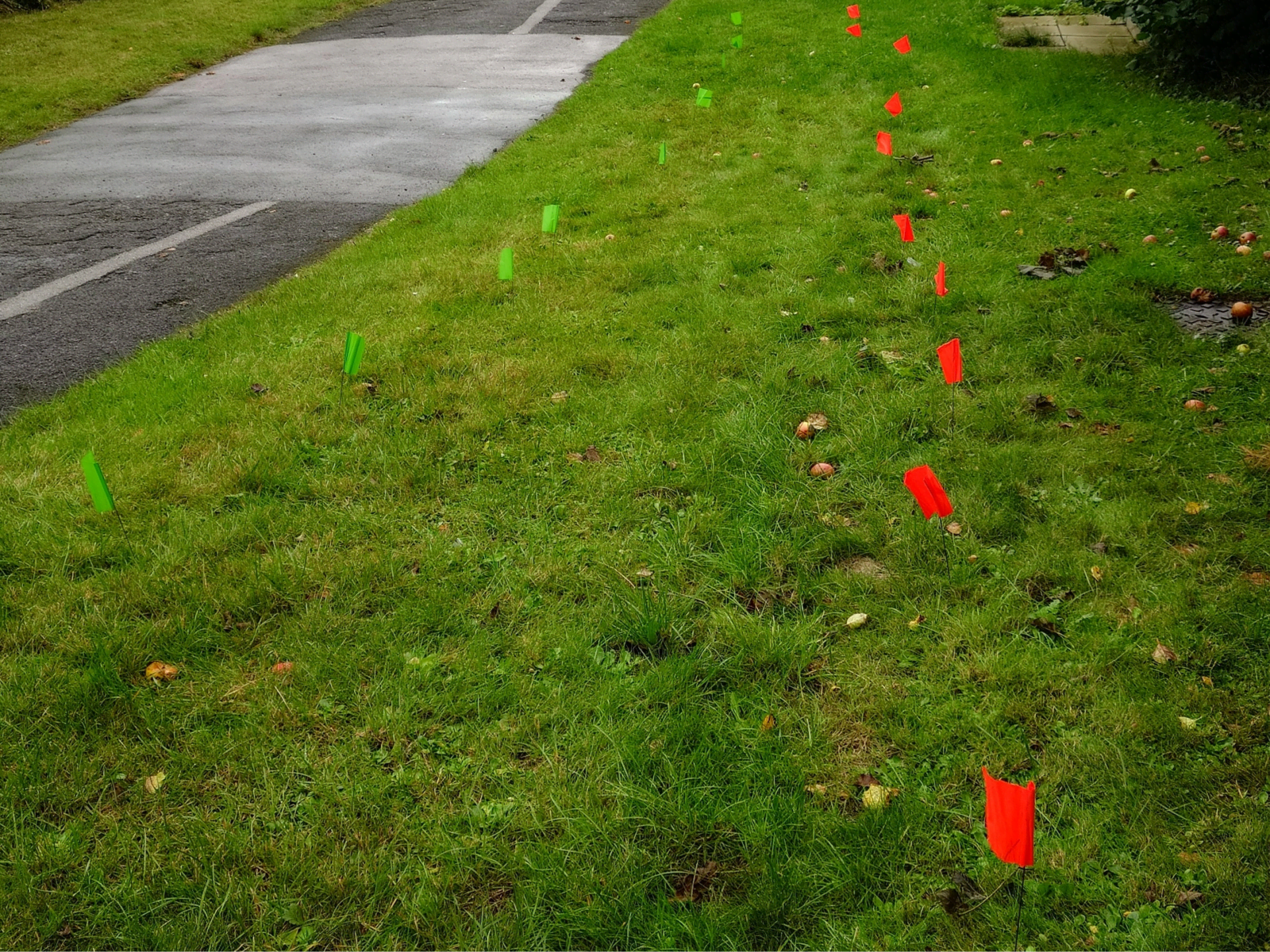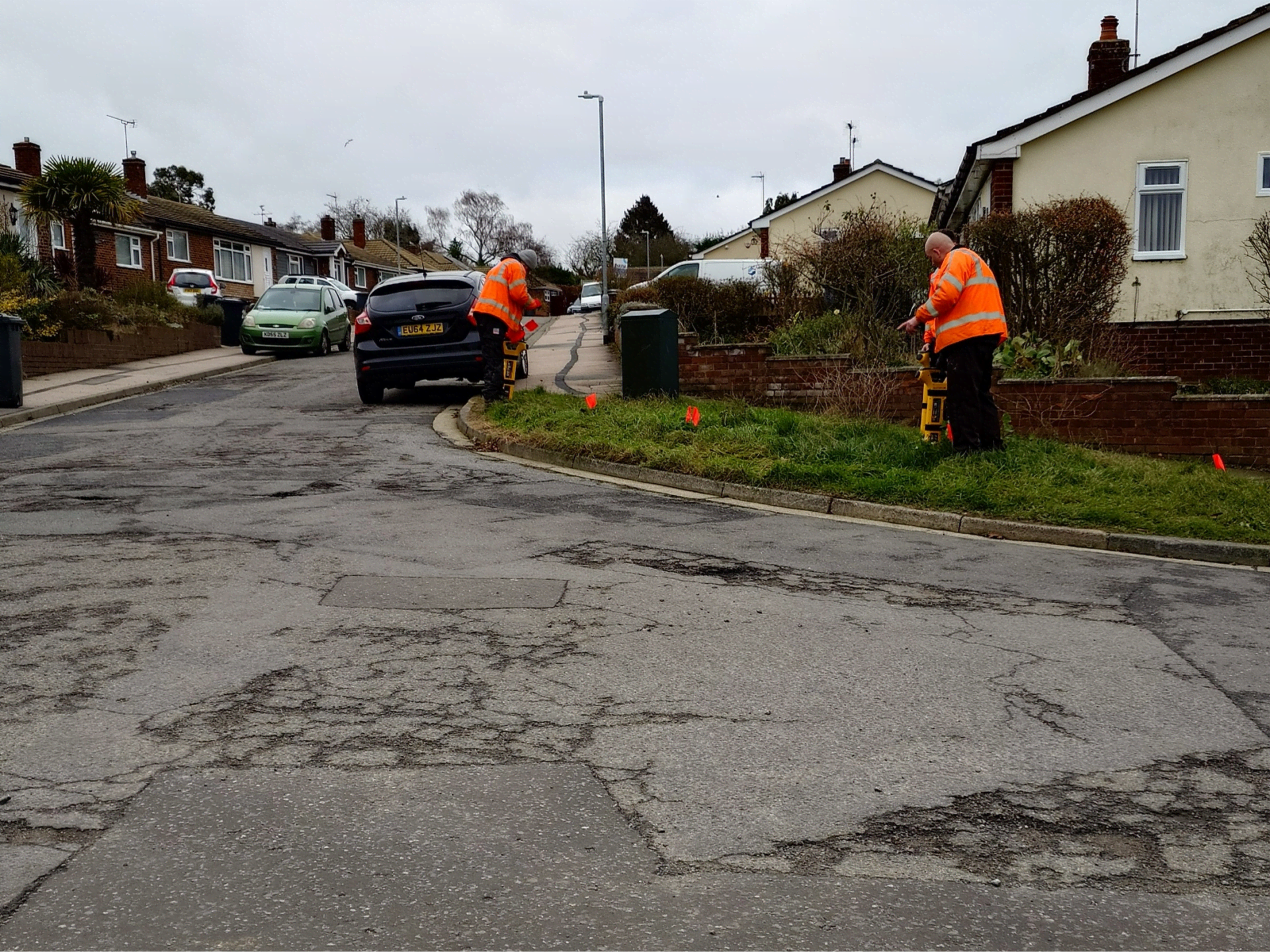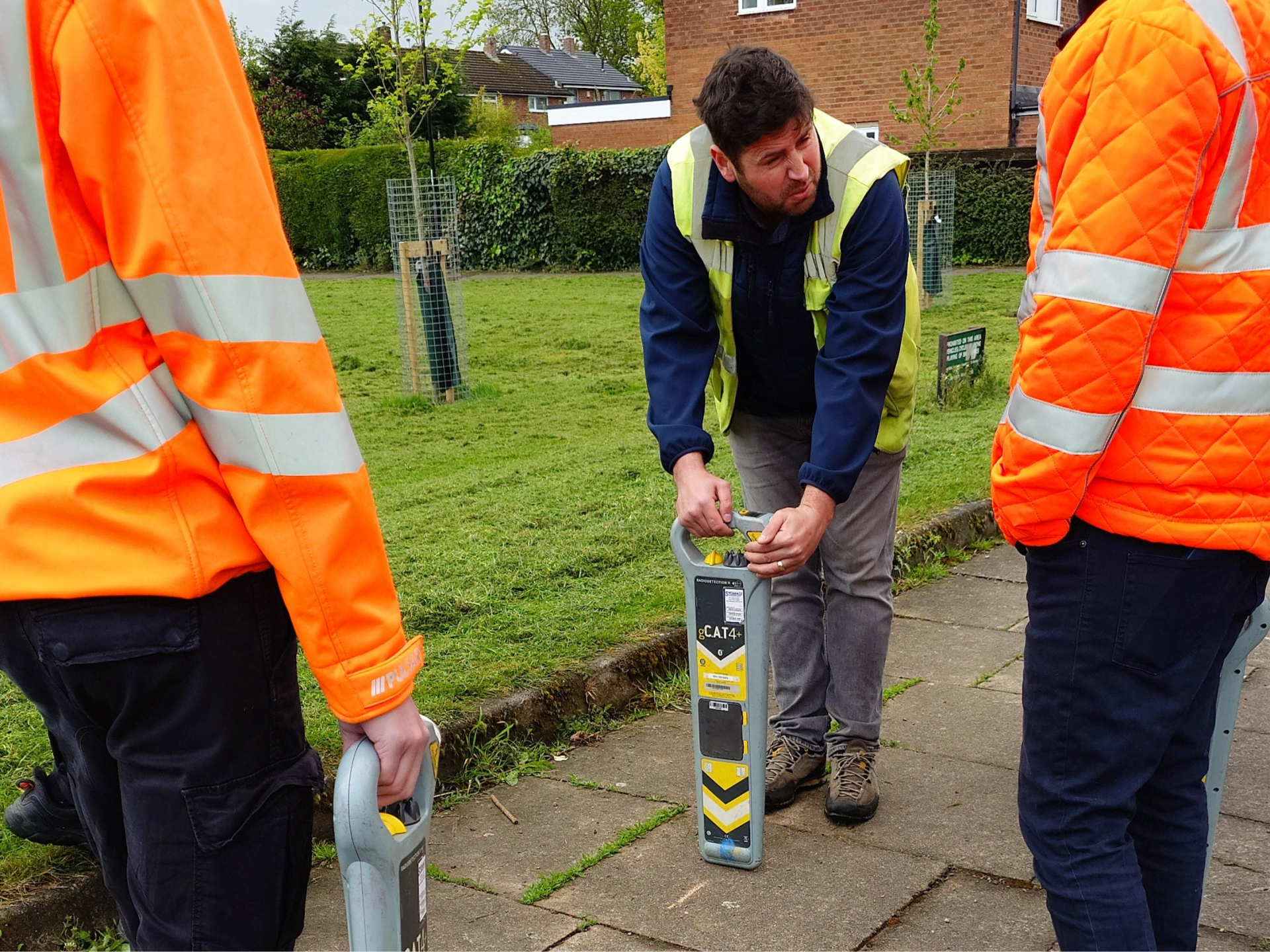
Both EUSR CAT1 and ProQual CAT1 are cable avoidance qualifications. Both cover the use of a CAT and Genny to locate buried services before excavation. Both are valid for three years. But beyond those similarities, they differ significantly in scope, assessment rigour, and what your operative actually learns. Understanding these differences matters because the course your team takes directly affects how well they survey before they dig.
The Basics
EUSR CAT1, administered through Energy and Utility Skills (formerly EUSR), is the most widely held cable avoidance qualification in the UK. It has been the industry standard for over a decade and is recognised by the majority of utility companies and principal contractors. It covers the four locating modes (Power, Radio, Genny, and Avoidance), plans interpretation, and safe digging principles.
ProQual CAT1, accredited by ProQual Awarding Body, is a newer qualification that was developed to address gaps in the existing provision. It covers the same core content as EUSR CAT1 but adds significantly more depth in several areas, particularly around Genny application methods and signal interpretation. ProQual CAT1 is externally verified, meaning the assessment criteria are set by the awarding body, not by the individual training provider.
Assessment Criteria: Where the Difference Is Clearest
The EUSR CAT1 assessment uses a mix of multiple-choice questions and practical observation. The practical element requires the operative to demonstrate competence with the CAT and Genny across the four modes. The assessment is thorough but is delivered and marked by the training provider, which means standards can vary between providers.
The ProQual CAT1 assessment is structured differently. It includes 14 theory criteria and 8 practical criteria, all defined by ProQual. The theory assessment is not multiple-choice. Operatives must demonstrate understanding through written or verbal responses that show knowledge, not just recognition. The practical assessment requires competence across all four locating modes and all Genny signal application methods: Direct Connection, Clamp, Capacitance, Induction, and Nulling Out.
This is a meaningful difference. An operative can pass EUSR CAT1 without demonstrating competence in every Genny application method. They cannot pass ProQual CAT1 without doing so.
Recognition and Acceptance
EUSR CAT1 is the more widely recognised of the two, particularly among utility companies who have used the EUSR system for years. If your operatives work primarily on utility company sites, EUSR CAT1 may be the requirement specified in the permit or contract.
ProQual CAT1 is accepted by an increasing number of principal contractors and utility companies. It is recognised by CITB for Employer Network funding and is held on the ProQual register, which means employers and clients can verify an operative's qualification independently. However, it is still newer and not yet universally specified. If your client requires a specific qualification, check with them before booking.
Which One Should You Choose?
If your operatives need a qualification that will be accepted everywhere with no questions asked, EUSR CAT1 is the safer choice. It is the established standard and the one most clients will recognise immediately.
If you want the most thorough training and assessment available, ProQual CAT1 is the stronger qualification. It assesses more criteria, requires competence across all Genny application methods, and is externally verified to a fixed standard. For organisations that are serious about reducing utility strikes and want their operatives trained to the highest level, ProQual CAT1 is the better option.
Sygma delivers both. The quality of the training is the same regardless of which qualification route you choose. Our courses run from 8:30am to 4:00pm with a maximum of 8 delegates, all using Radiodetection CAT4 and Genny4 equipment. The course can be delivered on any of the following equipment: Radiodetection CAT4, CAT4+, RD8200, RD8100, Vivax-Metrotech vLoc, or Leica DSX. The difference is in the assessment criteria and the awarding body, not in what your operatives learn on the day.