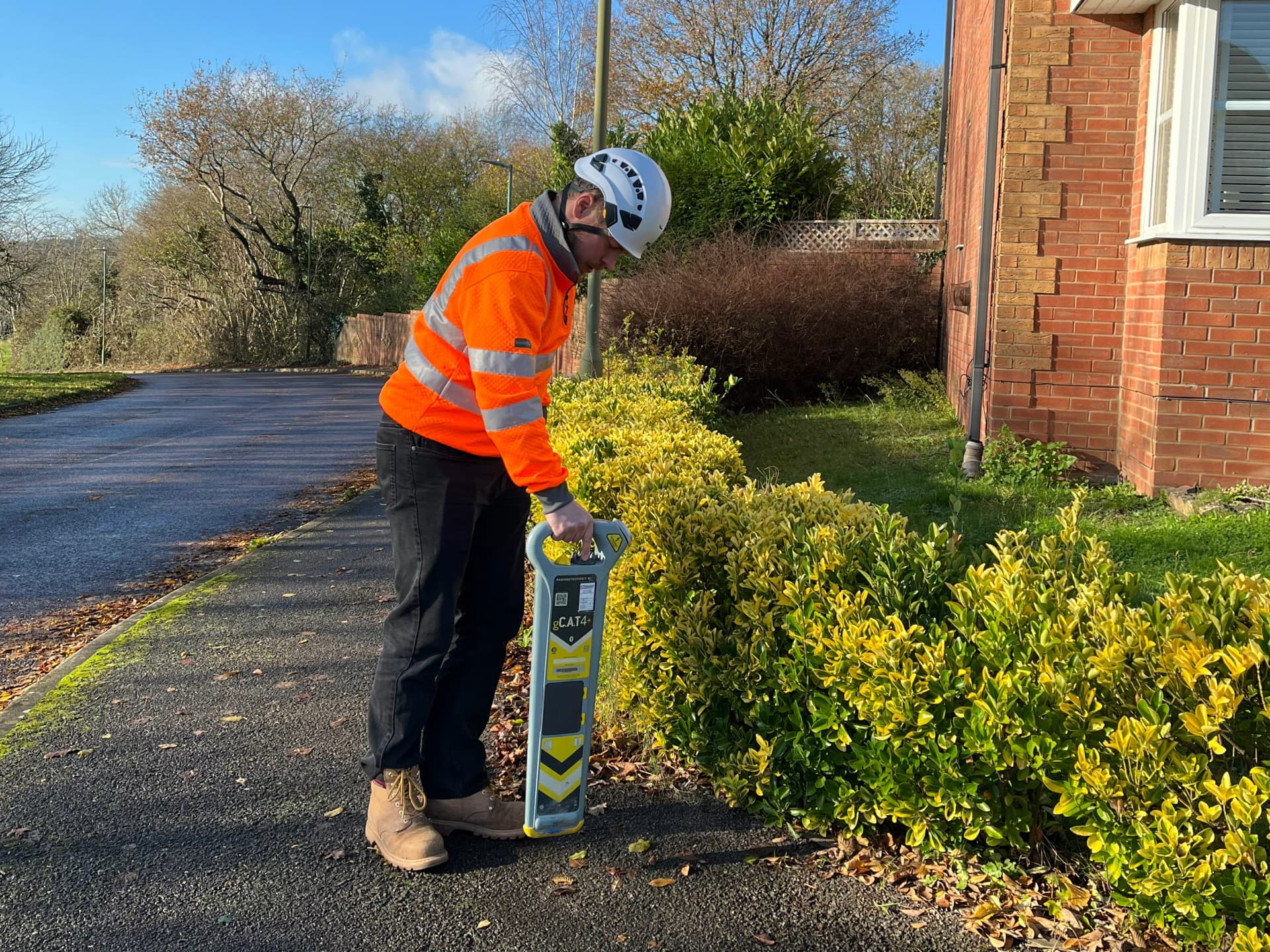
Utility Avoidance
EUSR CAT1: EUSR-Registered Utility Avoidance Training
EUSR CAT1 and EUSR Category 1 training from the UK's only independent specialist. Full electromagnetic theory, practical Genny & CAT assessment, and written paper. HSG47 compliant. Recognised across the water, gas, electricity, and telecoms sectors.
21 Years
One Specialism
Underground utility location training is all we do.
70-80%
Increase in Genny Usage
Measured through locator data downloads after Sygma training.
Proven
Strike Reduction Record
Clients report measurable reductions in service strikes.
Who Is This Course For
Designed For
Site Operatives
Anyone who breaks ground or works near underground services.
Groundworkers and Labourers
Digging, excavating or working in the vicinity of buried utilities.
Supervisors and Managers
Responsible for teams who carry out excavation or survey work.
New Entrants to Utilities
Starting a career in utility avoidance, streetworks or civil engineering.
Duration
1 Day
Max Delegates
8
Certificate
EUSR CAT1 (EUSR-Registered)
Pass Mark
80%
Assessment
Practical + Written
EUSR CAT1 Training: The EUSR-Registered Standard for Utility Avoidance
EUSR CAT1 training (also known as EUSR CAT1 or EUSR Category 1 training) is issued against EUSR-registered standards and is the utility sector's most widely recognised certificate of competence for operatives using Genny & CAT equipment. The qualification is required or preferred on the frameworks of many of the UK's largest utility contractors and network operators. All EUSR CAT1 courses from Sygma meet the requirements of HSG47, the Health and Safety Executive's guidance on avoiding danger from underground services.
Sygma's EUSR CAT1 course delivers the same depth of electromagnetic theory and Genny-First methodology that runs through every Sygma programme. The EUSR registration adds the sector recognition that many procurement and H&S frameworks require. The difference between this and the Sygma in-house certificate is not the training content. It is the awarding body.
Not all EUSR CAT1 providers deliver the same standard of training. The EUSR specification sets a minimum, and some providers deliver to that minimum. Sygma includes clamp, capacitance, and blind induction in assessed practicals even where EUSR does not require it. The result is an operative who can locate in real conditions, not just pass a multiple choice paper. Sygma-trained operatives consistently show a 70-80% increase in Genny usage post-course, measured through locator data downloads.
Not sure whether you need EUSR CAT1 or the Sygma in-house certificate?
Use the course finder on the Utility Avoidance Training hub page to identify the right route for your workforce.
Compare all cable avoidance qualification routes ›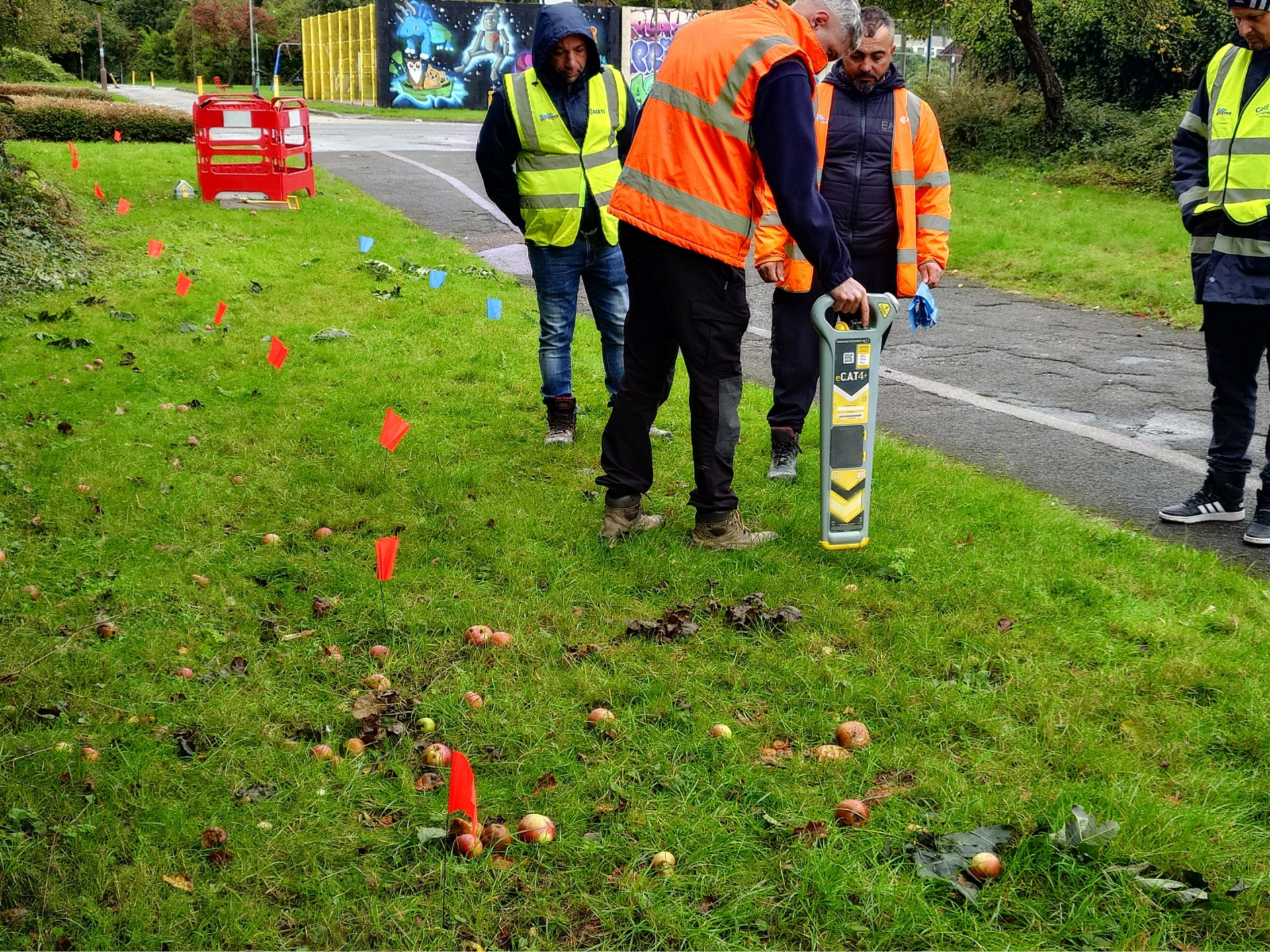
Course at a Glance
| Course Name | EUSR CAT1: Utility Avoidance Training |
| Awarding Body | EUSR (Energy and Utility Skills Register) |
| Also Known As | EUSR CAT1, EUSR Category 1, EUSR Cat 1 utility training |
| Duration | One day (typically 8:30am to 4:00pm) |
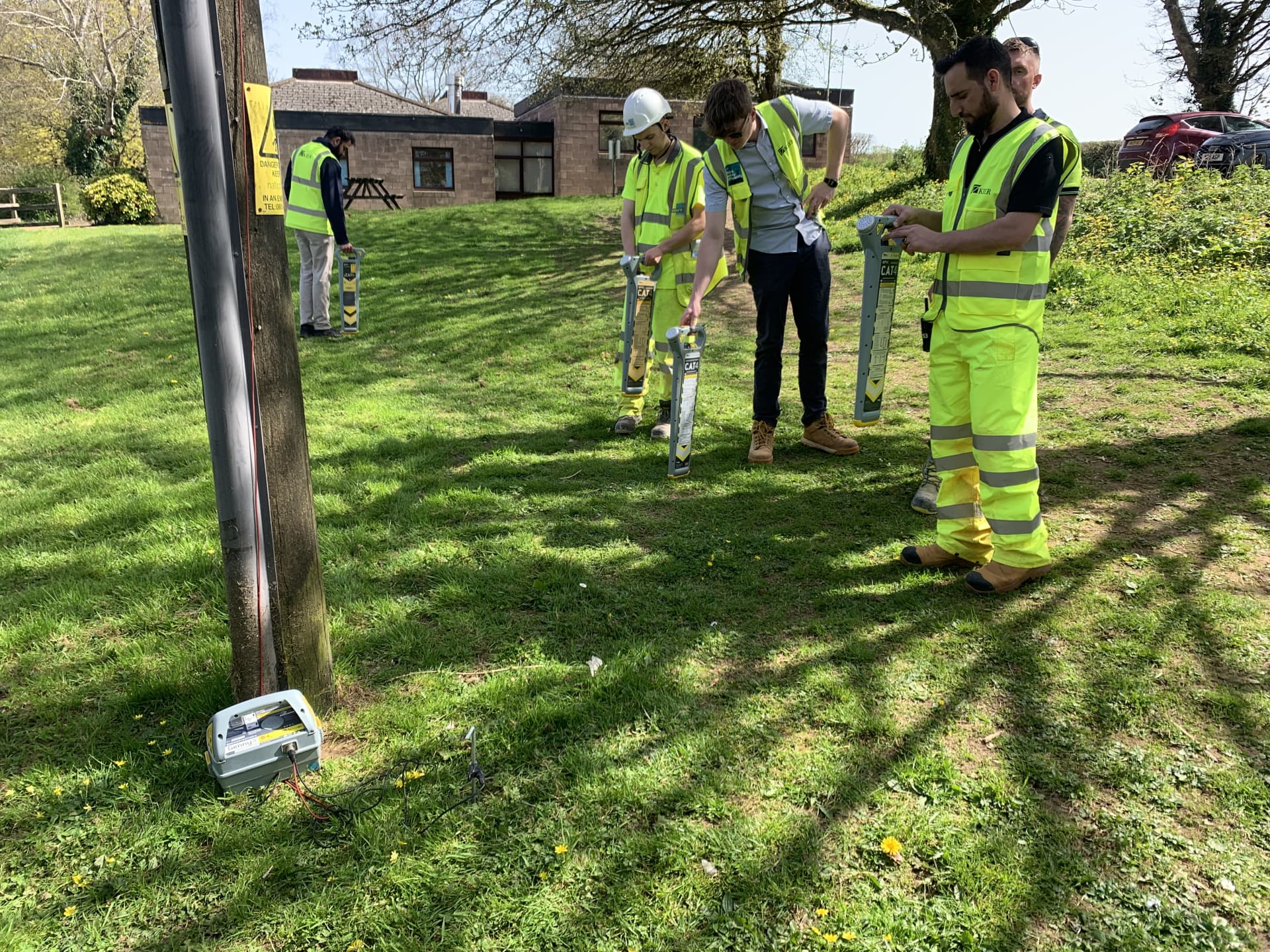
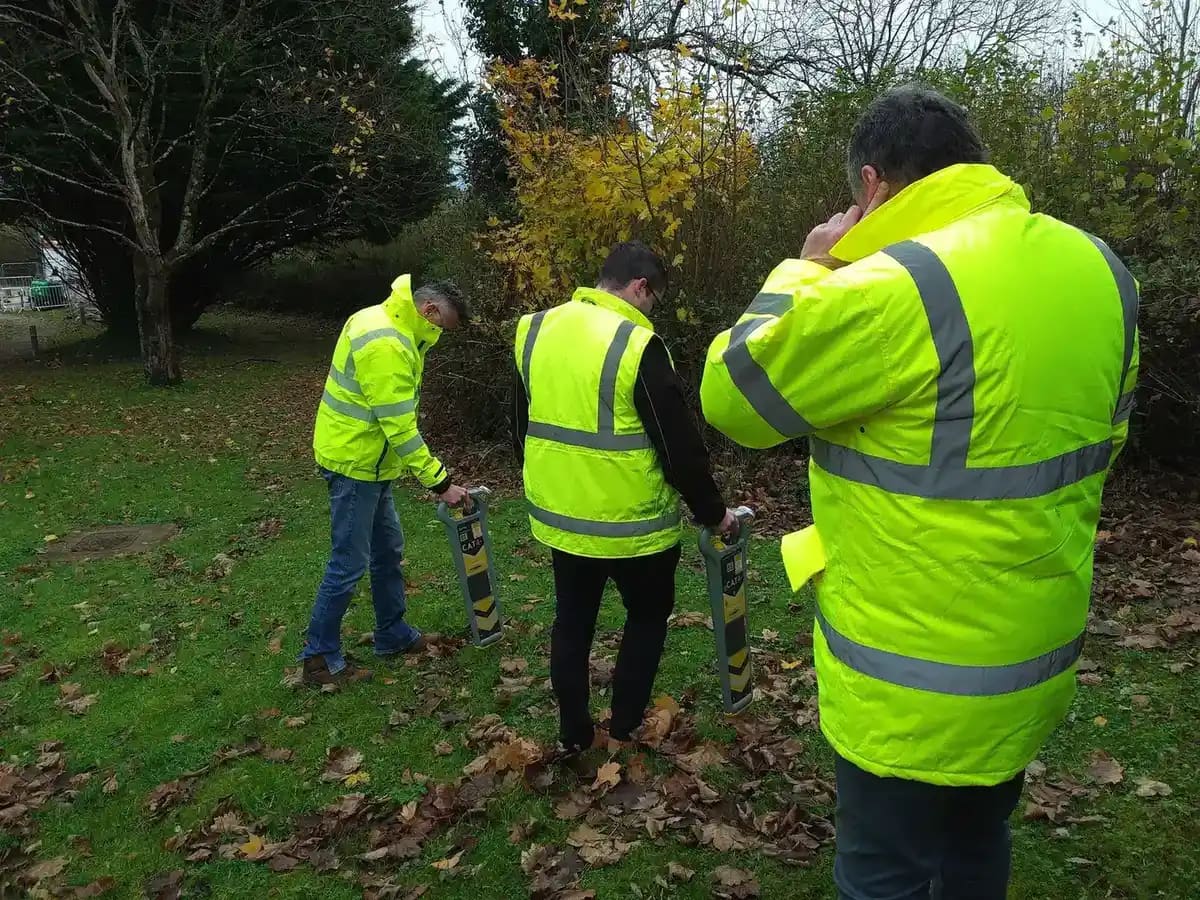
| Format | Classroom theory (morning) followed by on-site practical assessment (afternoon) |
| Assessment | Multiple choice written paper: 80% minimum pass mark. Oral assessment available for delegates with dyslexia or reading difficulties. On-site practical assessment in all Genny & CAT modes. |
| Certificate | EUSR CAT1 certificate (EUSR-registered). Issued on successful completion. |
| Max Delegates | 8 per session |
| Suitable For | Groundworkers, plant operators, and operatives in the utility sector requiring EUSR-registered certification |
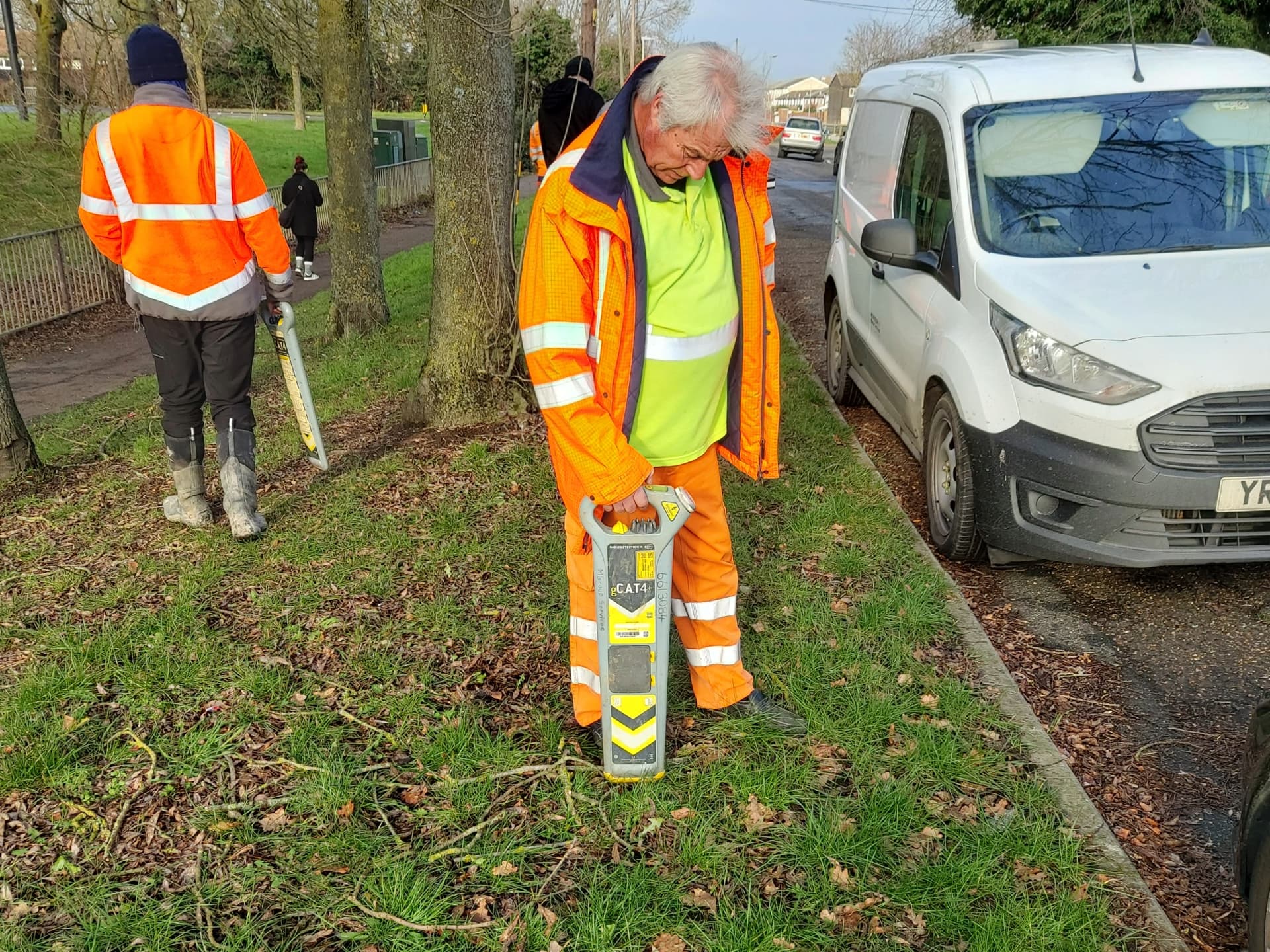
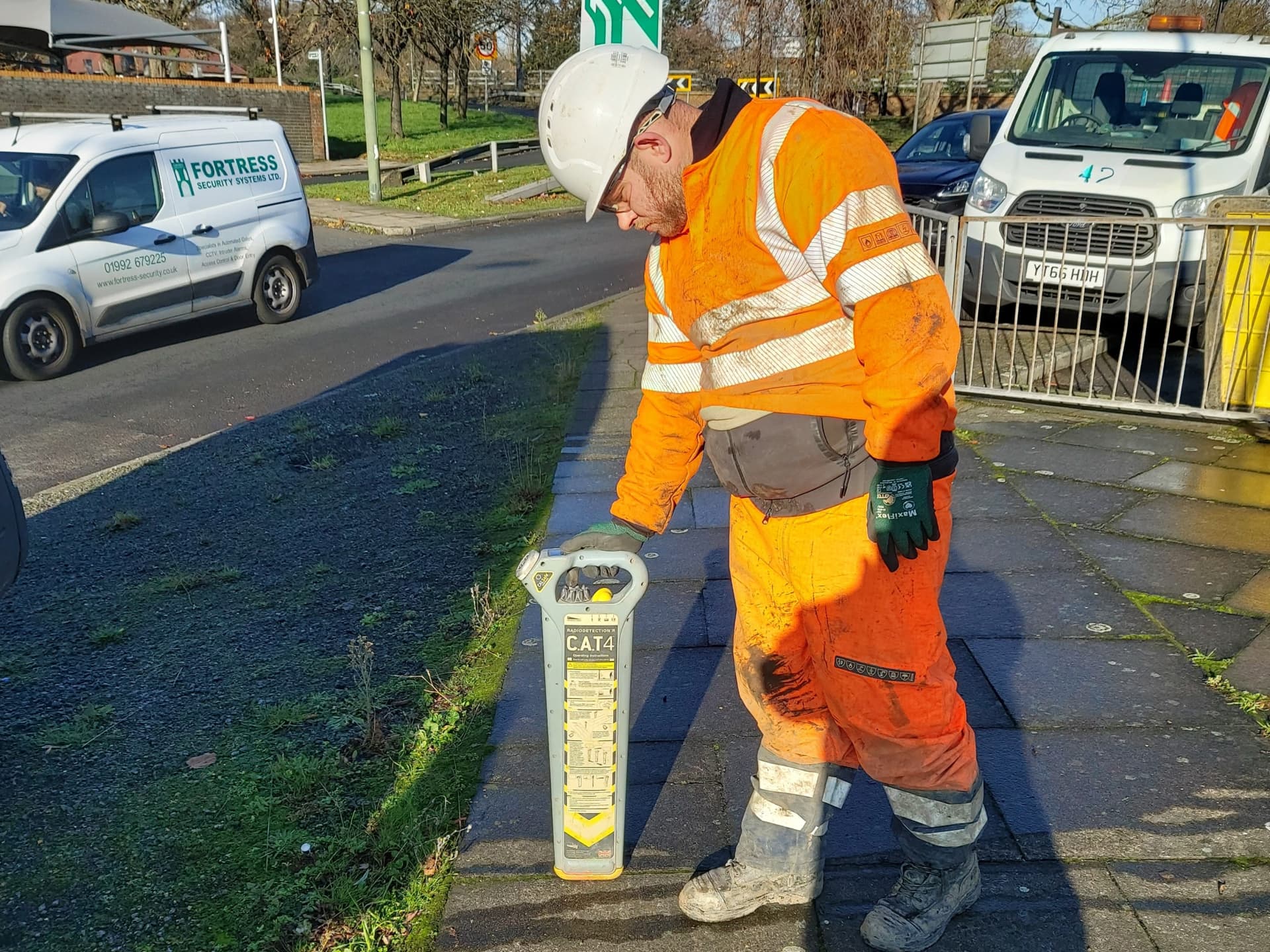
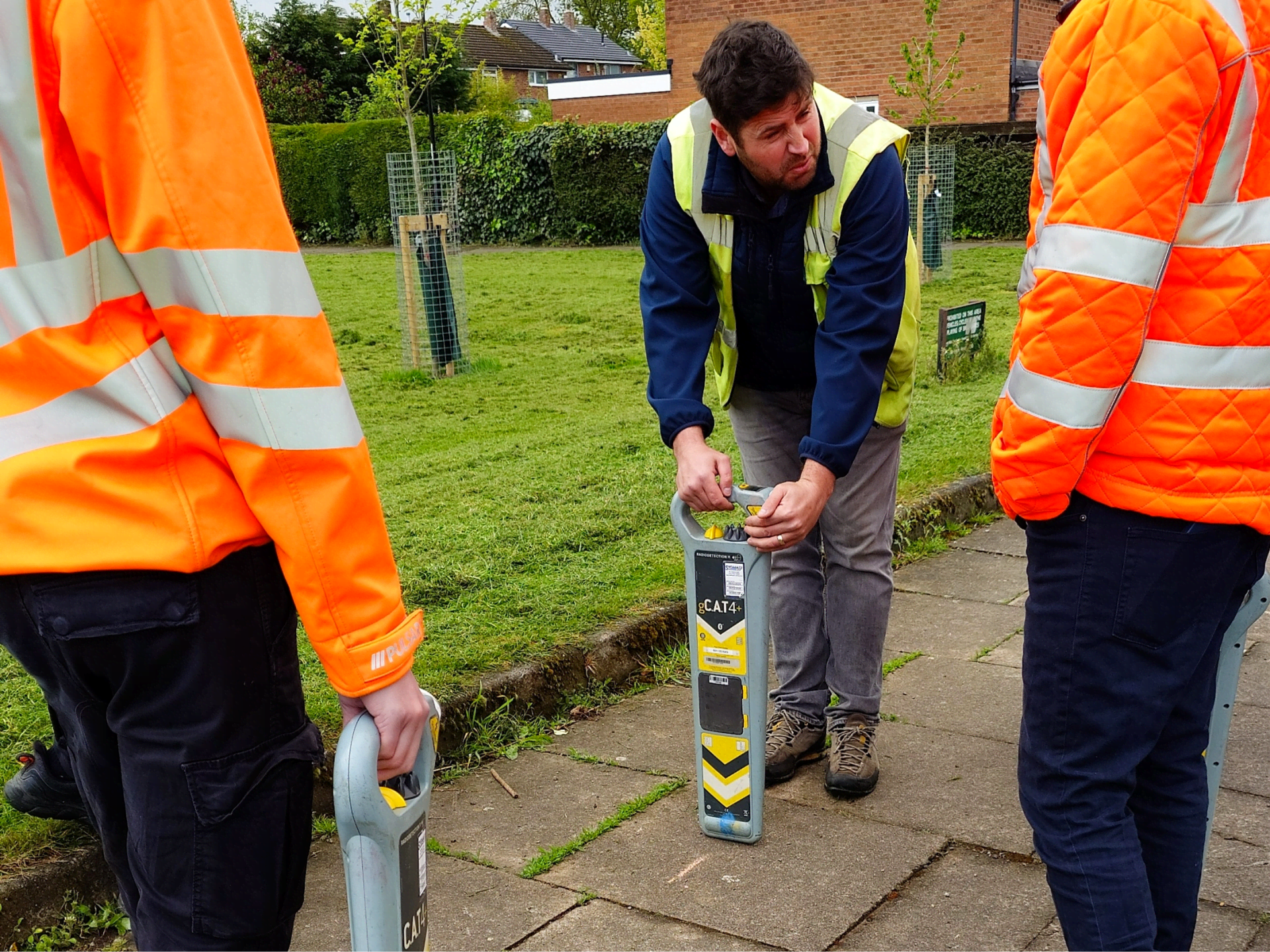
| Equipment | Sygma provides Radiodetection CAT4 and CAT4+ as standard. This course can be delivered on any of the following equipment: Radiodetection CAT4, CAT4+, RD8200, RD8100, Vivax-Metrotech vLoc, or Leica DSX. For on-site delivery, delegates should bring the equipment they use on site. Minimum ratio of one locator per 3 delegates. |
| CITB | CITB Approved Training Organisation. Employers may be eligible for CITB Employer Network funding support. Contact your CITB adviser. |
| Delivery | Wigan HQ | The Survey School, Worcester | On-site nationwide (travel included) |
| Pricing | Contact us for a tailored quote. Site-based delivery available nationwide. |
What You Get
At the End of This Course
EUSR CAT1 Competency Card
Valid for 3 years, nationally recognised by utility companies and principal contractors
Personalised Training Record
Detailed breakdown of all theory and practical criteria assessed
Practical Assessment Evidence
Documented evidence of hands-on competency with Genny & CAT equipment
Ongoing Support
Access to Sygma trainers for post-course questions and refresher guidance
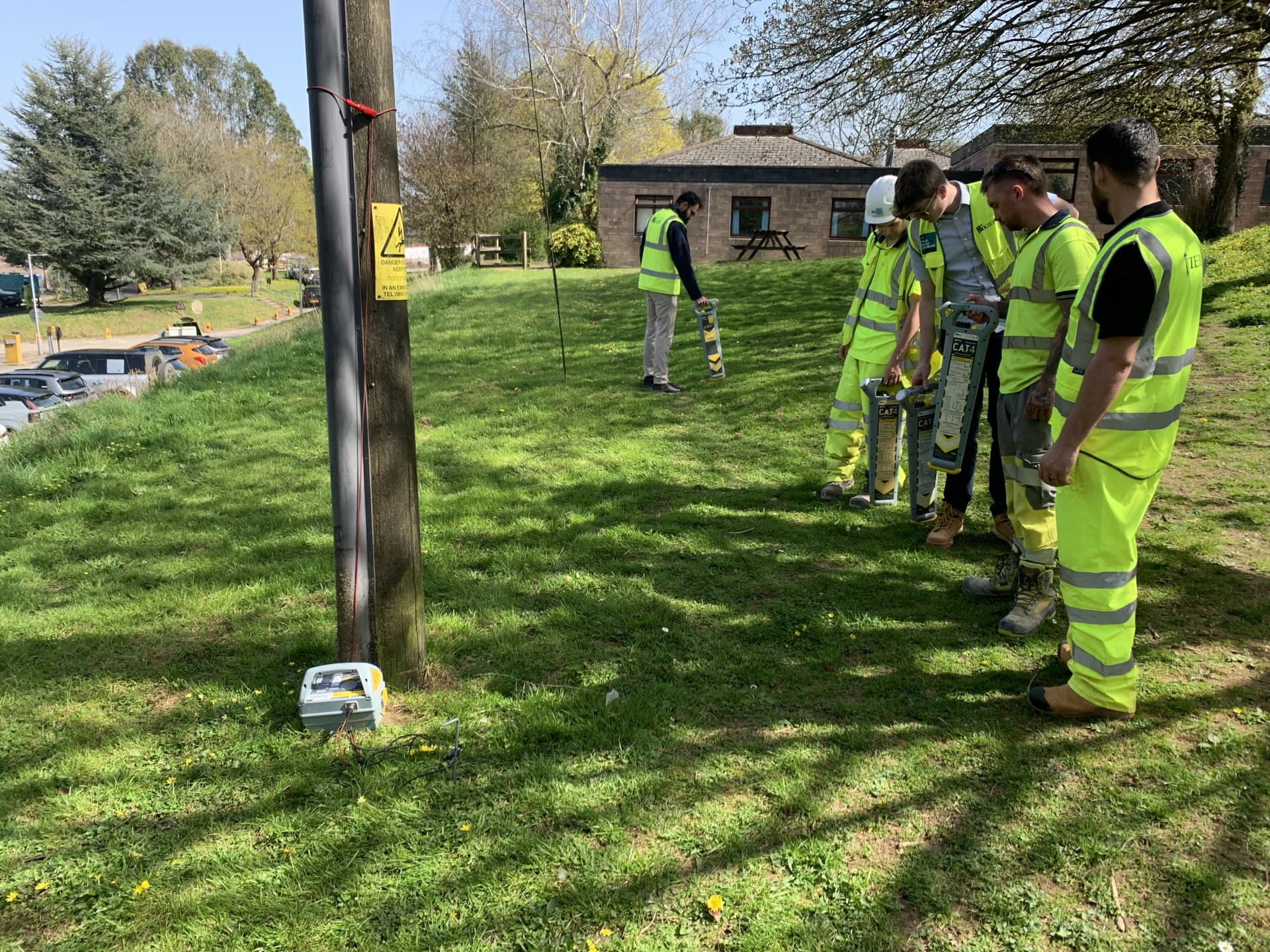
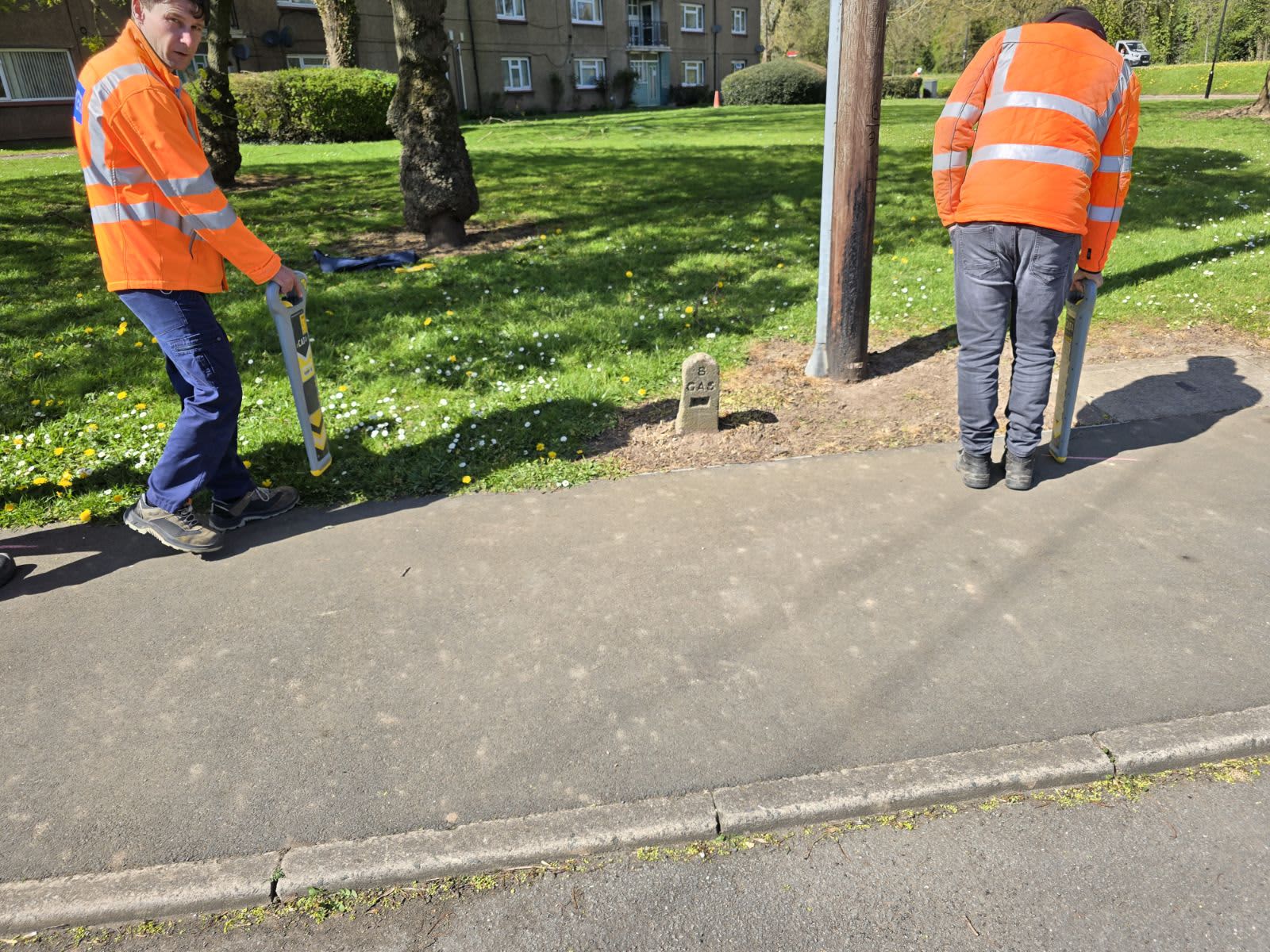
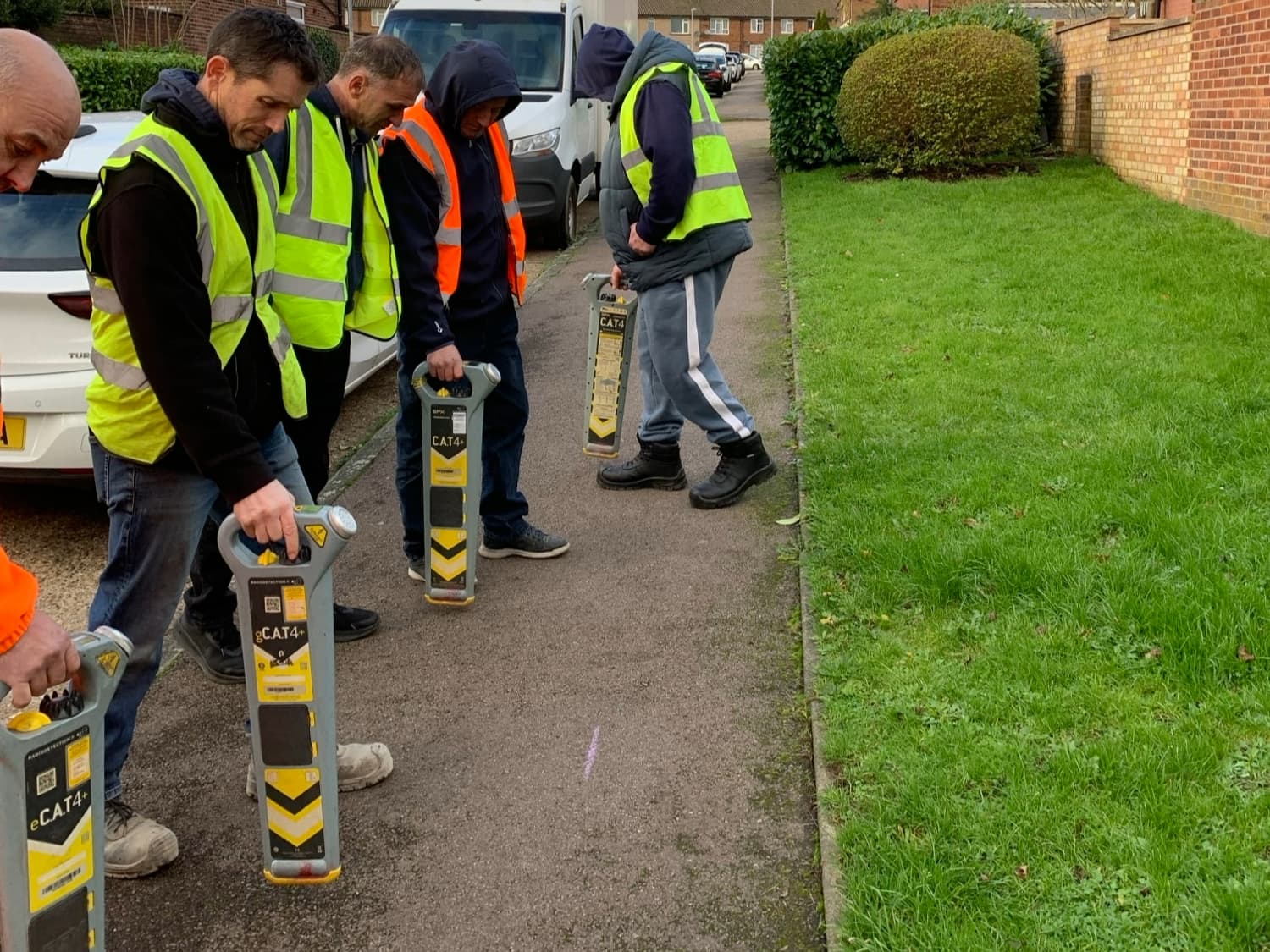
EUSR CAT1 Full Day Agenda
| Session | Content |
|---|---|
| Why We Use Locators | HSG47 guidance and legal obligations. National legislation and company policy. The financial and safety consequences of utility strikes. Real-world examples. |
| Buried Service Plans | Reading and interpreting STATS plans. Reconciling plan information with site conditions. Limitations of service plans. |
| Electromagnetic Theory | How a locator detects signals. Theory and limitations of Power, Radio, Genny, and Avoidance modes. Myth-busting: what the equipment cannot find. Signal distortion and depth accuracy. |
| Equipment Controls and Operation | Locator controls and signal interpretation. Locating joints and changes of direction. Strike Alert. Signal generator dual frequency, earthing, capacitance, blind induction, and nulling. Depth estimation techniques. |
| Data Logging (Optional) | Data logging software overview. Download and analysis of locator site data. Relevant for clients requiring an audit trail. |
| Site Practical: Plan Reconciliation | Delegates use STATS plans to identify service routes. Site visual inspection. Equipment pre-use checks. |
| Site Practical: Genny & CAT Survey | All modes assessed individually. Genny connected first. Depth readings taken and tested. Problem services located. Individual assessment. |
| Written Assessment | Multiple choice paper. 80% minimum pass mark. Oral assessment available on request. |
| Certificate | EUSR CAT1 EUSR-registered certificate issued on successful completion. |
What Delegates Will Be Able to Do
Compliance and Understanding
- ›Explain HSG47 requirements and the legal basis for using buried service locators before excavation
- ›Read and interpret utility service plans (STATS) in relation to a live site
- ›Describe the financial and safety consequences of utility strikes
Electromagnetic Theory
- ›Explain how a locator generates and detects signals in each of the four EML modes
- ›Identify conditions that cause signal distortion, depth errors, and missed services
- ›Explain why passive Power and Radio signals alone cannot provide a complete site picture
Equipment Operation
- ›Correctly operate a cable locator in all four modes: Power, Radio, Genny, and Avoidance
- ›Connect and use a signal generator including earthing, dual frequency, and capacitance methods
- ›Perform blind induction sweeps and null services accurately
- ›Locate problem services including street lighting, LV services, and small communications cables
- ›Take and verify depth readings using the locator's depth estimation function
On-Site Procedure
- ›Conduct a complete site visual inspection and service plan reconciliation before excavation
- ›Start every locate with Genny to establish a positive identification baseline
- ›Follow a methodical, repeatable locating procedure that reduces the risk of a missed service
EUSR CAT1 vs ProQual CAT1: Which Does Your Operative Need?
EUSR CAT1 and ProQual CAT1 are not equivalent qualifications. ProQual CAT1 is significantly more thorough. It covers topics that EUSR does not assess at all, uses written theory papers rather than multiple choice questions, and requires both theory and practical assessment where EUSR relies on MCQ alone. Where EUSR covers a topic through MCQ only, that topic is not meaningfully assessed because a multiple choice question does not demonstrate that a candidate can apply the knowledge on site.
| EUSR CAT1 | ProQual CAT1 | |
|---|---|---|
| Duration | 1 day | 2 days |
| Theory assessment | Multiple choice paper (80% pass) | Written theory paper with extended responses |
| Practical assessment | On-site practical in all modes | Individually assessed practical for each technique |
| Clamp method | Covered in course | Assessed separately |
| Capacitance | Covered in course | Assessed separately |
| Blind induction | Covered in course | Assessed separately |
| Certificate validity | 3 years | 3 years |
| Awarding body | EUSR | ProQual Accreditations |
| CITB funding | Eligible | Eligible |
Related Resources
EUSR CAT1 vs ProQual CAT1
Not sure which route is right? Compare the two main cable avoidance qualification pathways.
EUSR Card Renewal
How to renew your EUSR card, when to start the process, and what documentation you need.
GS6 Overhead Power Lines
Half-day awareness course covering safe working near overhead power lines. Often booked alongside EUSR CAT1.
Manufacturer-Specific Locator Training
One-day training on your specific locating equipment. Covers vScan, CScope, and other pipe and cable locators.
FAQs
EUSR CAT1 Training: Frequently Asked Questions
What is EUSR CAT1 training?
EUSR CAT1 is a one-day utility avoidance training course that leads to an EUSR-registered Category 1 qualification. It covers electromagnetic theory, correct use of Genny & CAT equipment in all four modes, utility service plan reading, and a practical on-site assessment. It is one of the most widely recognised utility avoidance qualifications in the UK utility sector.
Is EUSR CAT1 the same as EUS CAT1?
They are the same qualification. EUSR and EUSR both refer to the Energy and Utility Skills Register. The qualification is sometimes written as EUSR CAT1 and sometimes as EUSR CAT1 or EUSR Category 1. All Sygma EUSR CAT1 certificates are issued against EUSR-registered standards.
What pass mark is required for EUSR CAT1?
The written multiple choice assessment requires a minimum pass mark of 80%. An oral assessment is available for delegates with dyslexia or reading difficulties. The practical on-site assessment is conducted on the day and assessed individually by the Sygma trainer.
Is EUSR CAT1 the same as ProQual CAT1?
No. Both cover similar core skills but they are issued by different bodies against different criteria. EUSR CAT1 is EUSR-registered. ProQual CAT1 is issued by ProQual Accreditations and includes additional individually assessed criteria, including clamp, capacitance, and blind induction assessed separately. See the comparison table on this page or the full ProQual CAT1 course page for details.
Can Sygma deliver EUSR CAT1 on our site?
Yes. Sygma delivers EUSR CAT1 at client sites across the UK. Travel is included in the day rate. Sygma provides Radiodetection CAT4 and CAT4+ as standard, but the course works with any manufacturer's locator and signal generator. For alternative equipment, a minimum ratio of one locator per three delegates applies. Maximum 8 delegates per session.
How long is an EUSR card valid for?
An EUSR CAT1 card is valid for 3 years from the date of issue. The expiry date is printed on the card. Most utility frameworks and principal contractors require a valid, in-date card as a condition of site access. Sygma recommends booking renewal training in the 3 months before expiry to avoid any lapse in certification.
How do I renew my EUSR card?
To renew your EUSR CAT1 card you need to retake the full EUSR CAT1 course and pass both the written and practical assessments. There is no shortened renewal route. The complete one-day EUSR Category 1 training programme must be completed again, including the multiple choice paper and the on-site practical. A new 3-year card is issued on successful completion.
What happens if my EUSR CAT1 card has expired?
If your EUSR CAT1 card has expired you cannot use it to demonstrate current competency and most utility operators will not allow you to locate on site. There is no grace period under EUSR rules. You will need to complete the full EUSR CAT1 course again. If your card has recently lapsed, contact Sygma and we can usually get you onto the next available date.
Is EUSR CAT1 training a legal requirement under HSG47?
HSG47, the Health and Safety Executive's guidance on avoiding danger from underground services, requires operatives who use cable locating equipment to be trained and competent. EUSR CAT1 is one of the most widely accepted ways of demonstrating that competency. While HSG47 does not mandate a specific qualification by name, holding an EUSR-registered qualification such as EUSR CAT1 is the utility industry's standard way of meeting that legal duty.
Can we do EUSR CAT1 and CAT2 training on the same day?
Yes, in most cases. Sygma regularly delivers combined EUSR CAT1 and CAT2 days for clients who want to complete both levels in a single site visit. The combined day runs longer, typically from 8:00am to 5:30pm. The maximum of 8 delegates applies to the combined format as well. Both certificates are issued on the day. Contact Sygma to confirm availability for your team size and location.
Upgrade Your Qualification
Next Step
ProQual CAT1 Plus
Upgrade your EUSR CAT1 to include additional locating techniques and extended practical assessment criteria under ProQual accreditation.
View ProQual CAT1 Plus ›On-Site Competency
OSCA Assessment
The OSCA on-site competency assessment verifies your operatives are competent in live conditions on your own infrastructure.
View OSCA Assessment ›Bespoke Programme
Bespoke Training
If your organisation has a specific incident history, permit system, or workforce that needs more than a standard EUSR course, we design the programme from the ground up. On-site, nationwide.
View Bespoke Training ›Course Comparison
Cable Avoidance Course Comparison
Not sure whether EUSR CAT1, ProQual CAT1, or another route is right for your team? Compare all cable avoidance courses side by side.
View Comparison ›Why Sygma
Why Sygma for EUSR CAT1
Not all CAT1 courses are equal. Sygma goes beyond the minimum spec to deliver operatives who are competent in real conditions.
Minimum Spec Plus
Not All CAT1 Courses Are Created Equal
EUSR sets a minimum spec. Some providers deliver to minimum. Sygma includes clamp, capacitance and blind induction in assessed practicals even though EUSR does not require it.
Proven Methodology
Genny-First Methodology
Sygma-trained operatives show a 70-80% increase in Genny usage. This is not theory. It is measured through locator data downloads.
Expertise
Specialist Trainers
Every trainer is directly employed by Sygma. All are ex-utility surveyors or ex-equipment manufacturer specialists. All TAQA qualified.
Real-World Assessment
Real Practical Assessment
Structured on-site practical using real equipment in real conditions. Not a tick-box exercise. The goal is a competent operative, not just a certificate.
No Bias
Independent
Sygma has no surveys to sell, no equipment to push, no commercial relationship with any manufacturer. When we tell you something is wrong, we have no financial reason to soften that verdict.
Convenience
We Come to You
Delivered at your site using your own plant, procedures and environment. Travel included in course rate. No hidden extras.
Legal Requirement
HSG47 Compliance
EUSR CAT1 directly meets the training and competency requirements of HSG47 guidance on safe digging near buried services.
Trained Personnel
Trained and Competent Operatives
HSG47 requires all personnel involved in excavation near underground services to be trained. EUSR CAT1 directly meets this requirement.
Safe System
Safe System of Work
The course covers establishing and following safe digging procedures aligned with HSG47 guidance.
Planning
Service Plan Checks
Delegates learn to interpret utility records and service plans before breaking ground, as HSG47 requires.
Equipment Use
Correct Use of Equipment
Full practical training on Genny & CAT equipment covering Power, Radio, Genny and all signal application modes.
Visual Detection
Visual Inspection
Techniques for visual identification of surface markers, valve covers, and other indicators of buried services.
Documentation
Evidenced Training Records
EUSR CAT1 certification provides auditable proof of competency for HSG47 compliance documentation.
Book Your EUSR CAT1 Training
Book at our Wigan HQ, The Survey School in Worcester, or on your site anywhere in the UK. Travel included. Maximum 8 delegates. Contact us for a tailored quote.