Duration
One day
Theory + live dig practical
Group size
Max 8
Per trainer, per day
Delivery
On-site UK-wide
or our Wigan centre
Assessment
Written + practical
Assessed live dig
Accredited & approved by


The certificate
EUS Cat 2
Successful completion of both the written paper and the assessed live dig leads to your EUSR Cat 2 registration, recorded on the EUSR database.
EUSR registration
Certificate fee
£34 per person
Charged on top of the course fee. The course itself is quoted separately, based on your numbers and how it's delivered.
From locate to excavate
Cat 1 finds the service. Cat 2 is what happens next.
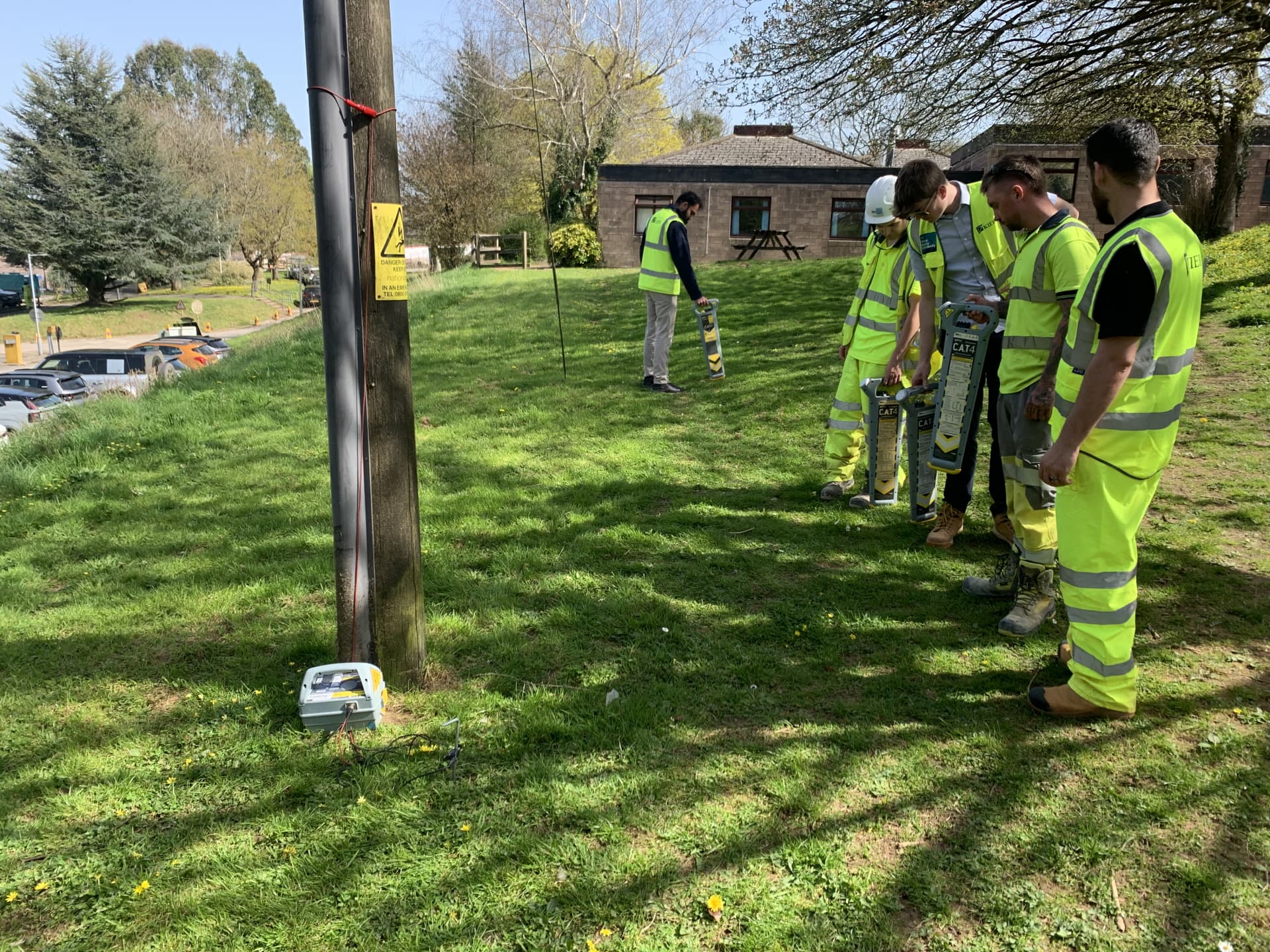
This course takes delegates from a marked line on the ground to a safely exposed, protected service — planning the dig, breaking ground with the right tools, digging to the service and supporting it, all assessed on a real excavation. Delegates should ideally already hold EUS Cat 1 (or equivalent).
In the classroom
Theory
The law, the plans, the ground and the tools — everything a delegate needs to understand before the dig, taught with real strike examples and an honest account of what goes wrong when it's done badly.
Legislation, safety & responsibility
4 topicsLegislation & guidance for buried services
HSG47 (Avoiding Danger from Underground Services), GS6, and the wider legislation that governs excavation work — and what it demands of every operative who breaks ground.
Risk assessments, procedures & permits to dig
Site-specific risk assessments, company procedures and the permit to dig — what each one is for and how they fit together into a safe system of work.
Occupational health risks
The health hazards that come with excavation work — Leptospirosis, asbestos, silica dust, noise and vibration — and how to manage them.
Excavation hazards
Loose ground, made-up ground, groundwater and stored materials — recognising the ground conditions that make a dig dangerous before anyone is in it.
Plans, checks & locating
3 topicsUtility plans — interpretation & limitations
Reading buried service plans, understanding their keys and symbols, and knowing exactly what they do and don't tell you about the ground.
Visual checks
Reading the site itself — the surface indications, markers, signs and features that reveal services the plans may not show.
Detecting & marking underground services
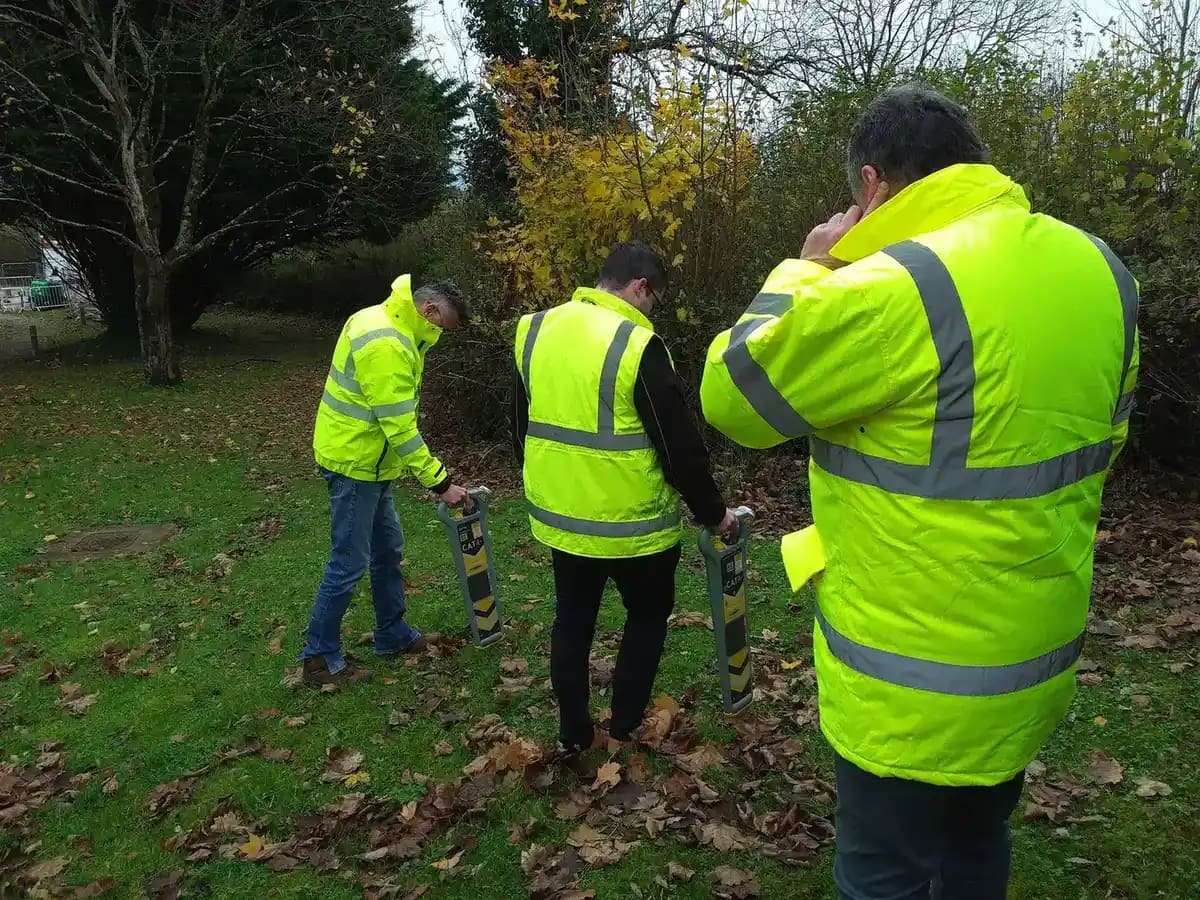
Using locating equipment to confirm and mark service positions before any ground is broken.
Safe excavation practice
4 topicsExcavating around services
The safe digging practices that HSG47 requires when working near buried services, from the first cut onwards.
Using hand tools
The right hand tools for the job, used with the correct technique — and how to care for and maintain them.
Using handheld power tools
Where handheld power tools can and cannot be used near buried services, and the safe technique when they are.
Horizontal excavation
Digging horizontally beneath a remaining surface to approach a service safely — the technique at the heart of the safe dig.
Exposing & protecting services
3 topicsExposing services
Approaching, exposing and confirming a buried service without damaging it — including what to do when what you find doesn't match the plans.
Trench support & excavation safety
Maintaining the safety of the excavation itself — support, safe entry and exit, and keeping the dig safe as it progresses.
Dangers of using services as handholds
Why exposed services must never be used as handholds or footholds, and how to protect and support them while work continues.
On the ground · the practical
The assessed live dig
Every candidate plans and carries out a real excavation, exposing a real buried service — assessed by the trainer through the entire process, from permit to reinstatement.
Plan & prove
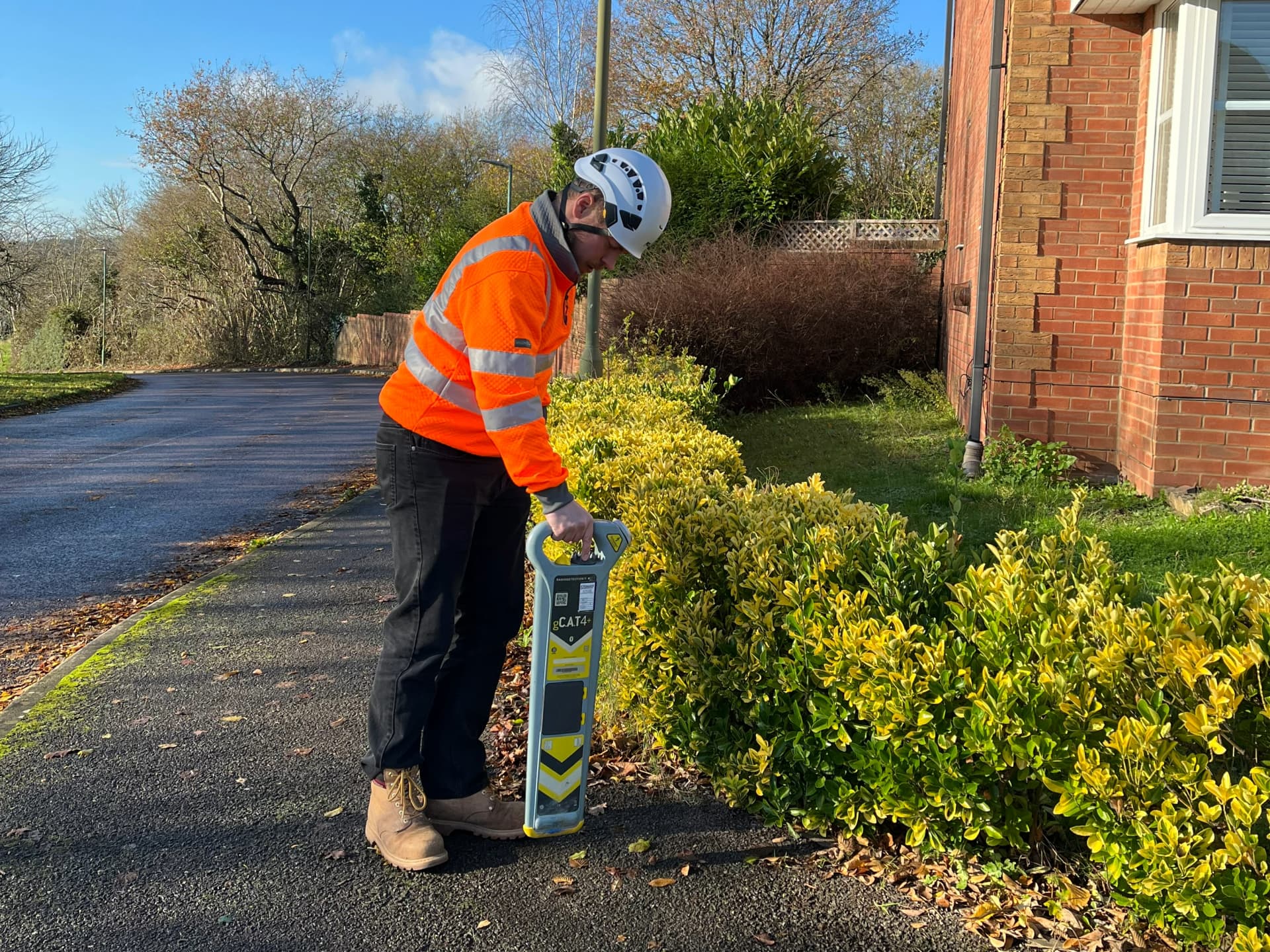
The dig starts on paper. Every candidate plans their excavation and proves where the services are before breaking ground.
- Complete the risk assessment and permit to dig
- Use service plans and existing site information to establish the indicated routes of buried services
- Confirm service locations with locating equipment
- Mark positions and confirm the position and size of the excavation against the work instruction
The safe dig
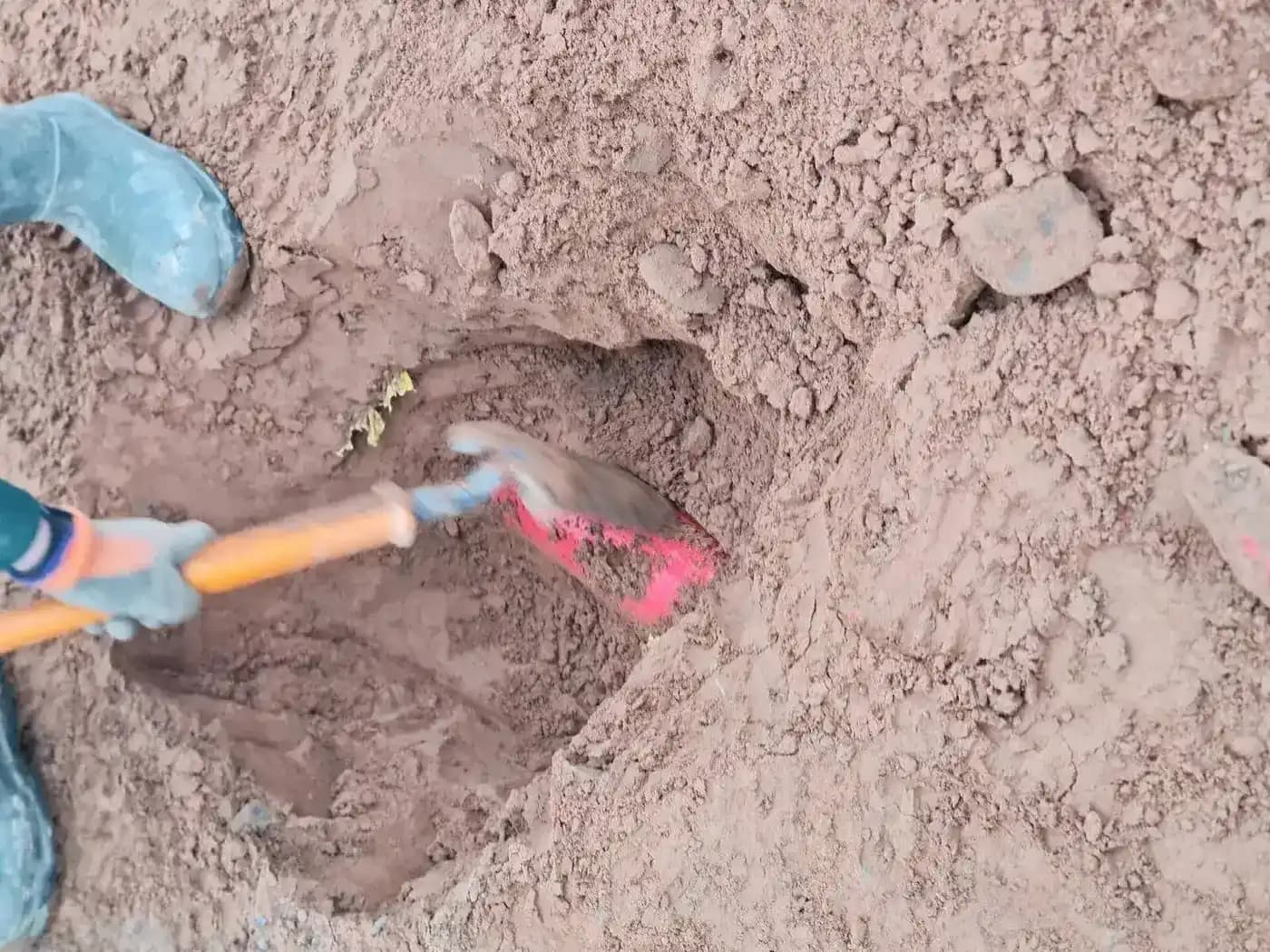
The core of the assessment — a real excavation in real ground, using safe digging practice throughout.
- Commence the safe dig operation with services marked
- Remove the surface, taking the position of services into consideration
- Excavate to 500mm using the appropriate tools and safe digging practice
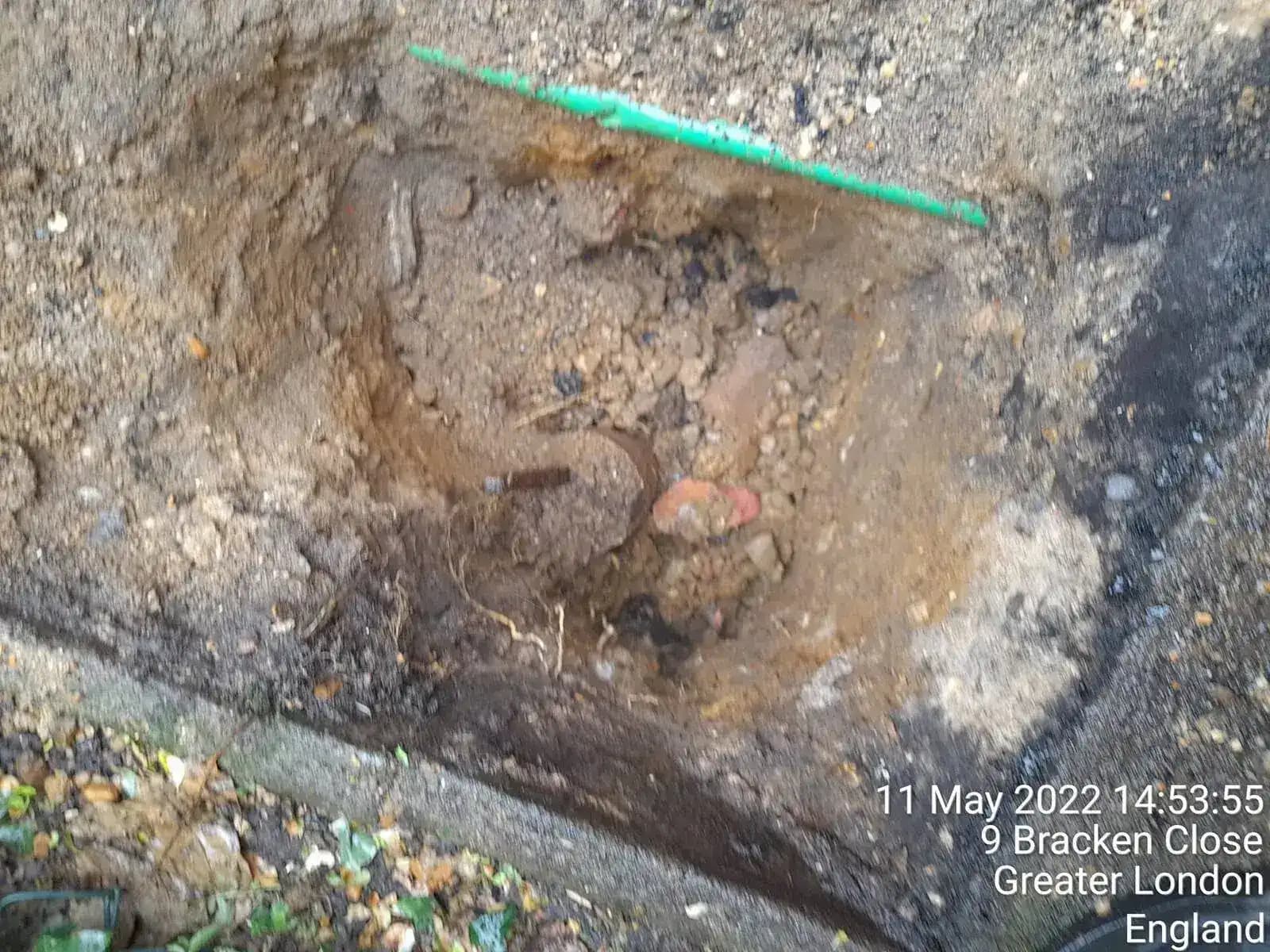
- Dig horizontally below the remaining surface to expose the indicated service
Expose, protect & reinstate
Finding the service is not the end of the job — protecting it and leaving the site right is part of the assessment.
- Expose the service and support it where necessary
- Monitor and maintain the position and condition of services throughout
- Complete the reinstatement
- Candidates are assessed during the entire excavation process
On the day
What the day needs
Sygma bring the trainer, the locating equipment and the expertise. What the host provides depends on how the course is delivered — the essentials are:
- ✓A dig area with a detectable buried utility — see the delivery options page for what each delivery route needs
- ✓A meeting/conference room with desk space for every delegate, a projector wall or screen, and welfare facilities
- ✓On-site parking suitable for a transit-sized van
- ✓STATS plans (buried service drawings) for the practical area — Sygma can supply plans for an agreed cost if none exist
- ✓Appropriate PPE per national, company and H&S requirements
- ✓Government photographic ID per delegate (driving licence, passport or residence permit)
- ✓Delegates should ideally hold EUS Cat 1 (or an equivalent locating qualification)
Delivery options & site requirements
There's more than one way to run this course — at our centre, on your site, or on your live jobs. See every option side by side, with exactly what each one needs.
Assessment
Assessed on the dig, then on paper
Candidates are assessed by the Sygma trainer throughout the live dig — planning, tool selection, digging practice, exposing and protecting the service. Back in the classroom, delegates sit a written assessment paper covering the theory session.
Accreditation & standards
EUS Category 2: Implement Safe (Digging) Excavating Practices
Safe digging competency built on HSE guidance and national standards:
Next step
Arrange this course or check dates
On-site UK-wide, on your live jobs, or at our Wigan centre. Send us your numbers and location and we'll come back with dates and a price.