Case Study
Kier Group: Bespoke Utility Avoidance Refresher
How Sygma built a 1-day refresher programme around Kier's own systems, policies, and incident data.
Client
Kier Group
Programme
1-Day Bespoke Utility Avoidance Refresher
Audience
Operatives (prior 2-day foundation required)
Format
Classroom + practical, on-site or at Sygma centres
Key elements
Kier permit, company policies, CAT Manager data, strike investigation, peer assessment
The Brief
The Brief from Kier Group
Kier Group is one of the UK's leading infrastructure, construction, and services businesses. With large numbers of operatives working on sites where buried utilities are a constant presence, Kier's H&S and L&D teams needed more than a standard refresher course.
Standard utility avoidance refresher programmes teach operatives to use a CAT and Genny correctly and to follow HSG47 principles. But Kier's site operatives already know how to use the equipment. What they needed was a refresher programme that spoke to their specific environment: Kier's permit to dig system, Kier's company policies, lessons learned from strikes that had happened within the Kier business, and how to get the most from the CAT Manager data that Kier's safety team monitors across the fleet.
Kier required a programme that assumed prior competency, built for an operative who has already attended the 2-day foundation course, and delivered it in a single day, incorporating practical coaching and peer assessment.
What Sygma Designed
What Sygma Designed
Sygma Solutions worked with Kier's L&D and H&S teams to design a 1-day bespoke refresher programme built specifically for Kier operatives. The programme is structured in two halves: a morning classroom session focused on Kier-specific policies, procedures, and data analysis, followed by an afternoon practical coaching and peer assessment block.
| Module | Detail |
|---|---|
| Kier Permit to Dig System | The full Kier permit to dig documentation and process. Operatives work through the actual Kier permit using current Kier documentation, rather than a generic template that requires mental translation on site. |
| Kier Company Policies and Procedures | Kier-specific H&S policies, reporting chains, and site protocols as they apply to utility avoidance. Delegates are tested on the correct Kier procedure, not a generic industry framework. |
| Lessons Learned from Kier Incidents | Strike and near-miss events drawn from within the Kier business. Delegates discuss what went wrong, why it went wrong, and what the correct procedure would have looked like. |
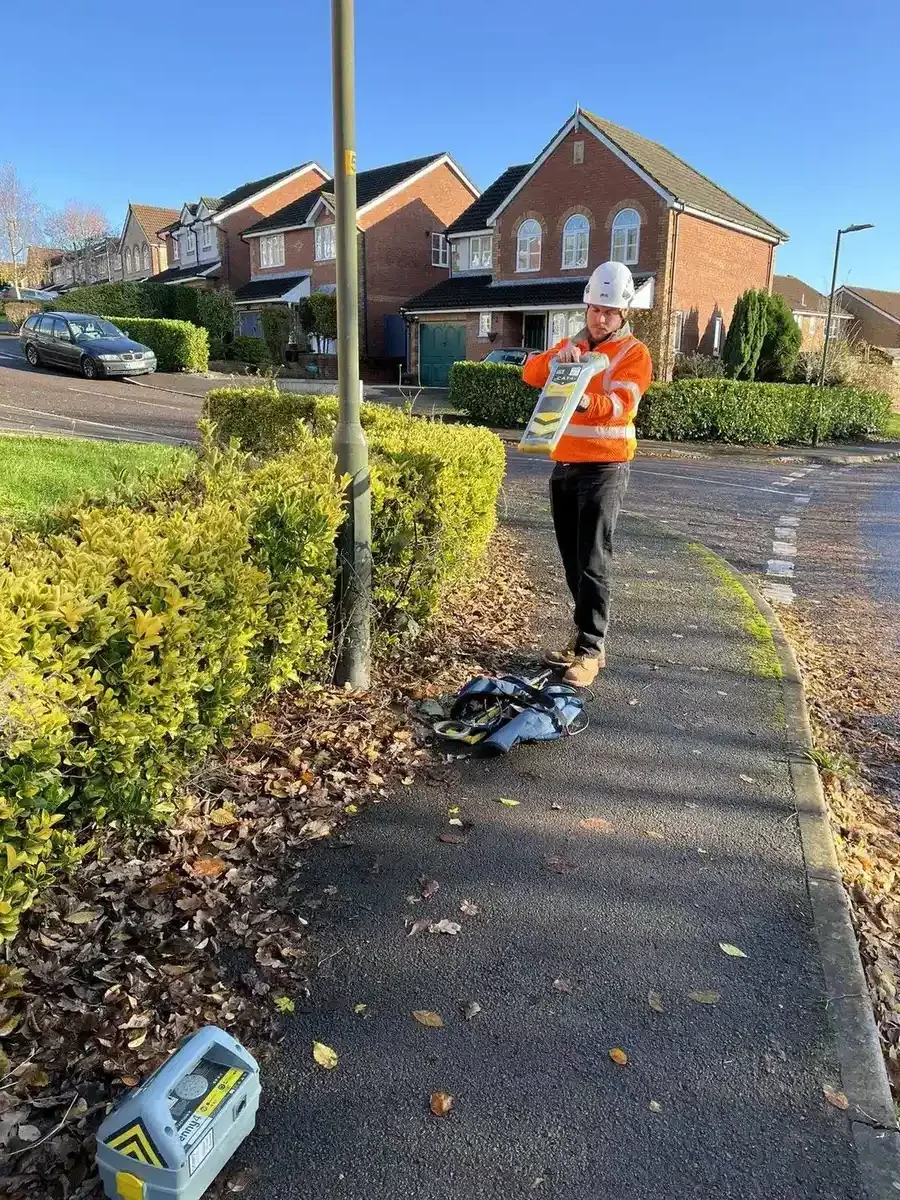
| CAT Manager Data Analysis | Operatives work through CAT Manager data from Kier's fleet. They learn to identify what the data shows about equipment usage patterns, missed Genny deployment, and individual operative behaviour. |
| USAG Form Completion | Strike investigation using the USAG (Utility Strike Analysis Group) form. Delegates complete the form using realistic scenarios drawn from the Kier environment. |
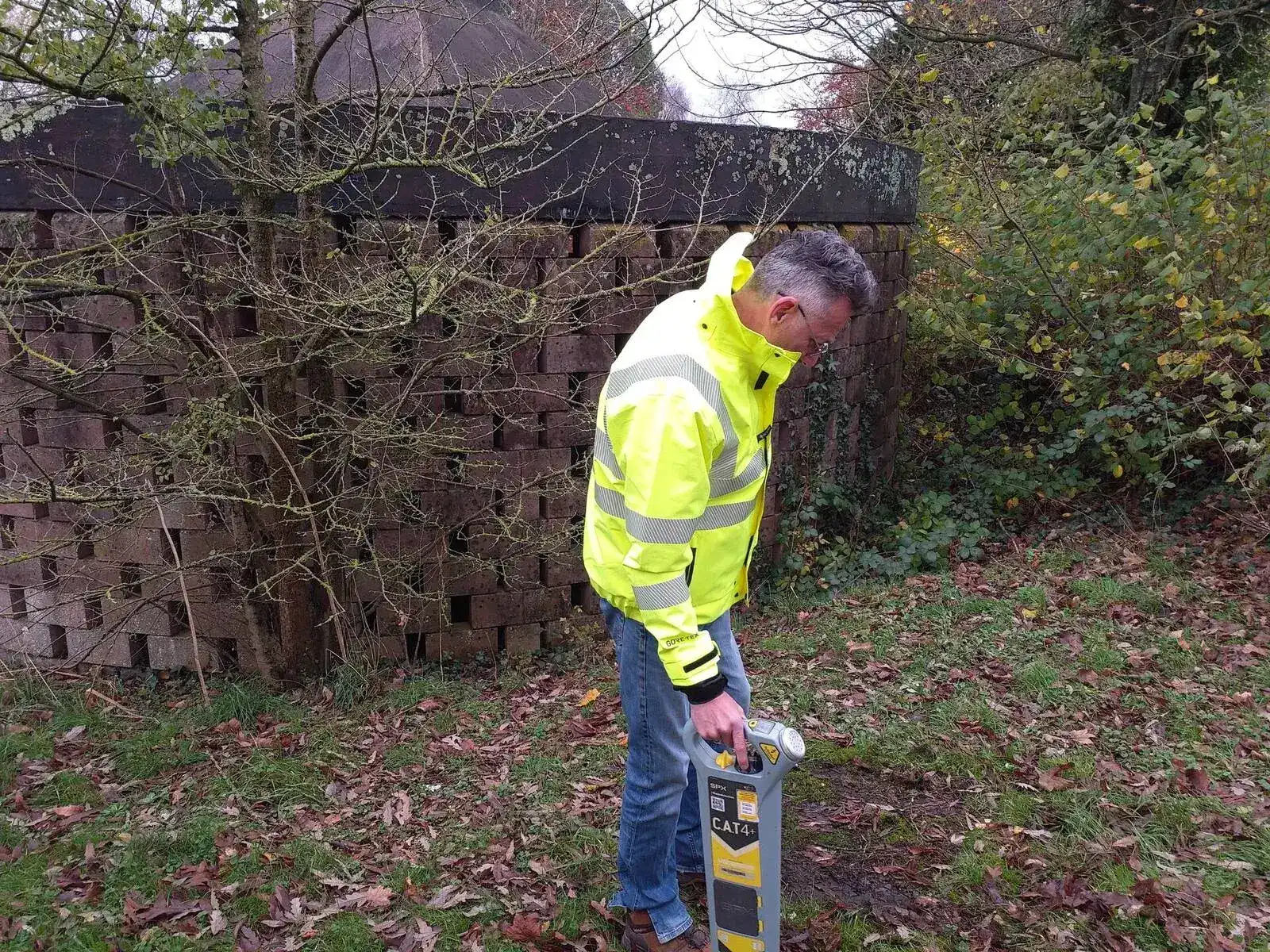
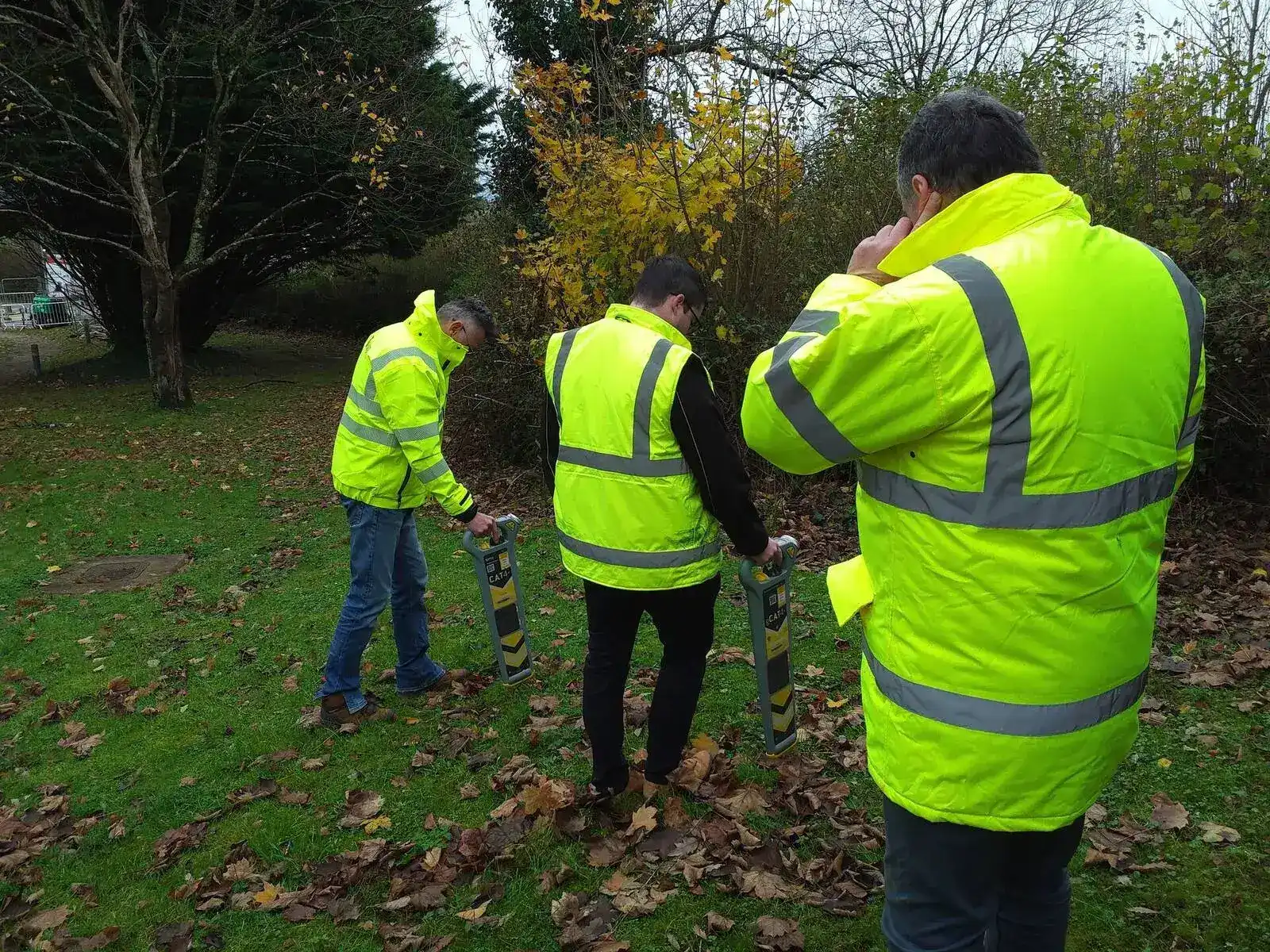
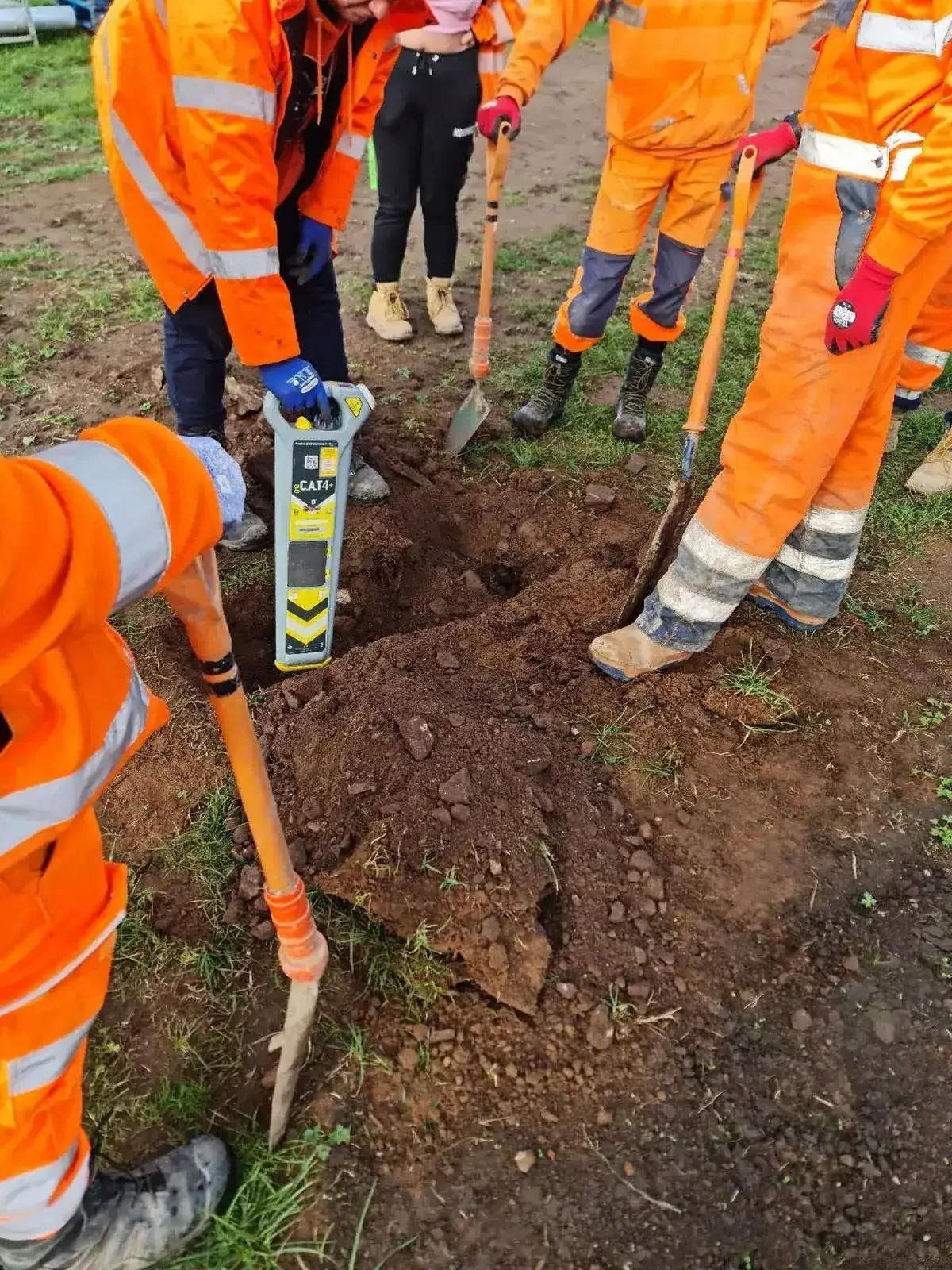
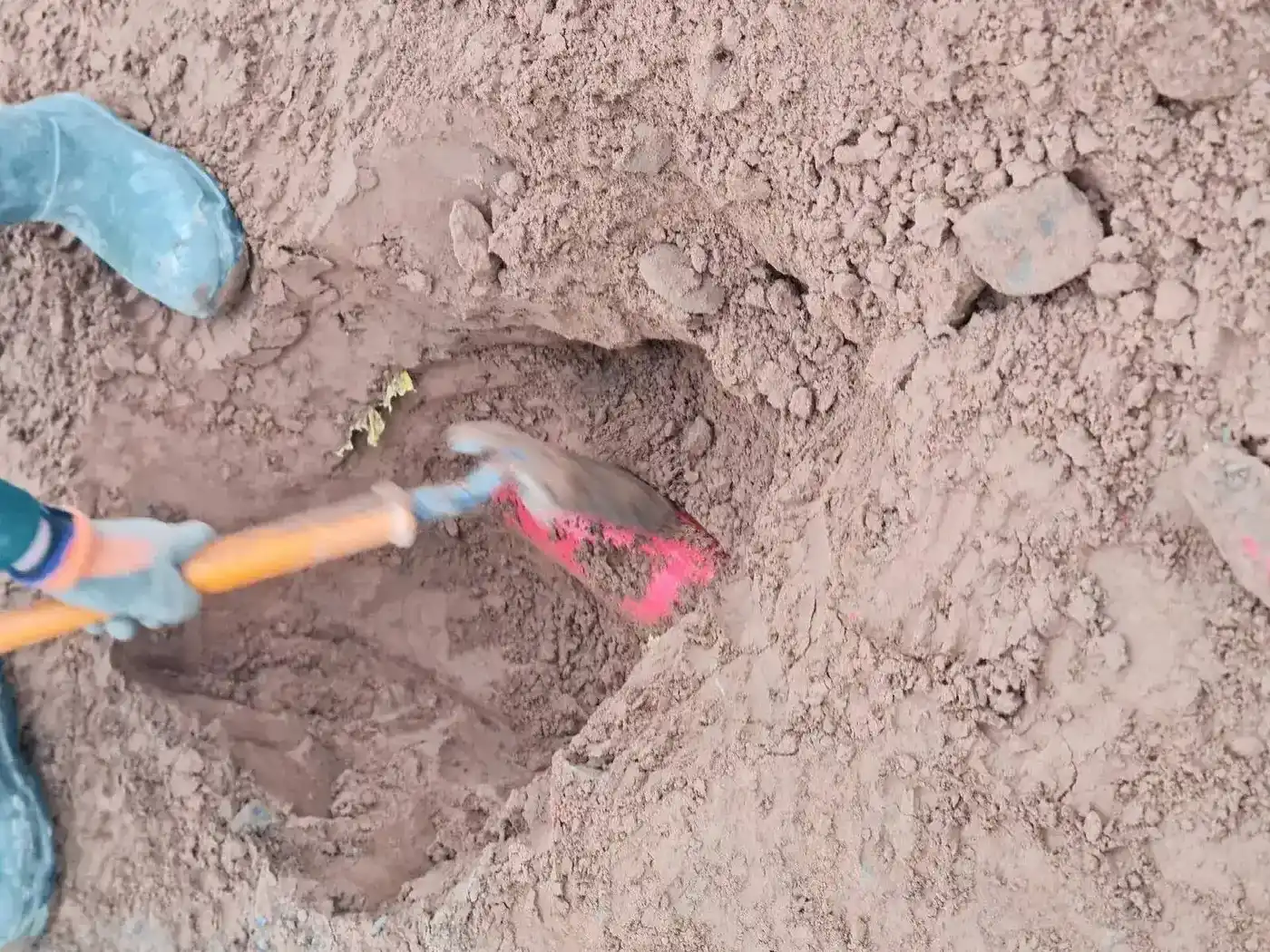
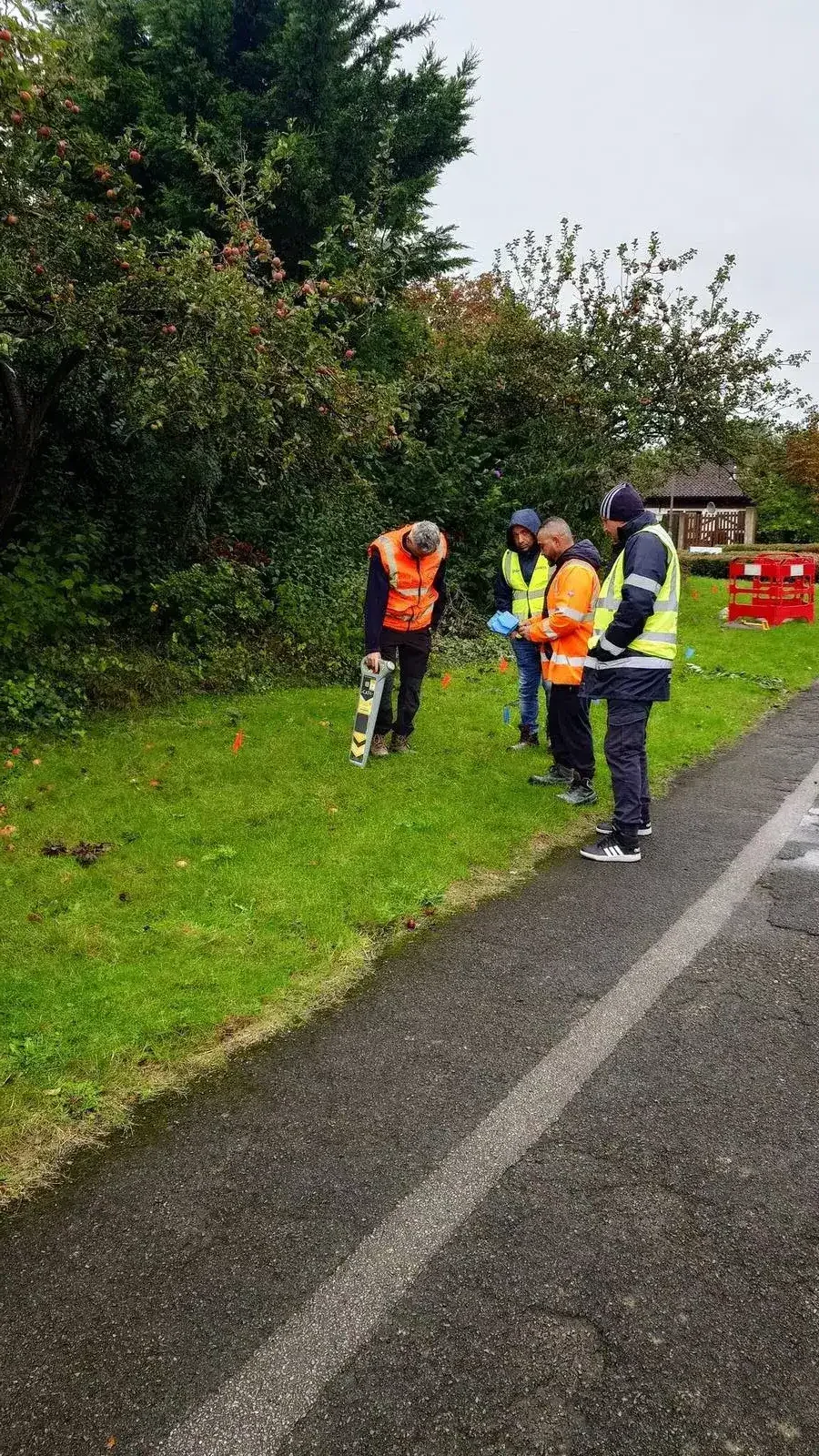
| Practical Peer Assessment | Afternoon practical session where operatives coach and assess each other on equipment operation. Trainer observes and scores. Delegates who can assess each other's technique in the field are more effective than those who have only been assessed by a trainer. |
How It Works
How It Works in Practice
The programme can be delivered at Kier's own facilities, at a Kier site, or at Sygma's Wigan Training Centre. Delivery location is agreed in advance based on which practical assessment environment is most appropriate for the delegate group.
Delegate groups are kept to a size that allows meaningful peer coaching in the afternoon session. The morning classroom session is more flexible on numbers.
All delegates complete Sygma's QR-code feedback form at the end of the day. Trainer scores are not visible until the following working day, ensuring delegates give honest feedback without social pressure. Kier's L&D and H&S team receives a full group report.
Outcomes
Key Outcomes for Kier Group
The Kier bespoke programme delivers outcomes that a generic refresher course cannot match.
| Outcome | How the Programme Delivers It |
|---|---|
| Operatives apply Kier's own permit system correctly | The programme uses Kier's actual permit documentation throughout. Operatives do not have to translate from a generic template. |
| Real incidents drive behaviour change | Company-specific lessons learned create a different level of engagement than generic case studies. Delegates understand these incidents happened in their business. |
| CAT Manager data becomes a live safety tool | Operatives leave with the skills to interrogate their own data, not just collect it. |
| Strike investigation is embedded, not theoretical | Delegates practise USAG form completion on realistic scenarios matched to Kier's process. |
| Peer coaching raises the standard across the group | Operatives who can assess each other's technique in the field provide a multiplier effect beyond the training day itself. |
| Honest feedback reaches L&D and H&S | QR-code feedback system ensures Kier receives unfiltered delegate data, not responses shaped by the presence of the trainer. |
Want a Programme Built Around Your Organisation?
The Kier programme is one example of how Sygma designs bespoke training around a client's specific requirements. If you have similar needs, company-specific procedures, CAT Manager integration, or management-level training built around your risk profile, we can build the same for your organisation.